Loading illustration…
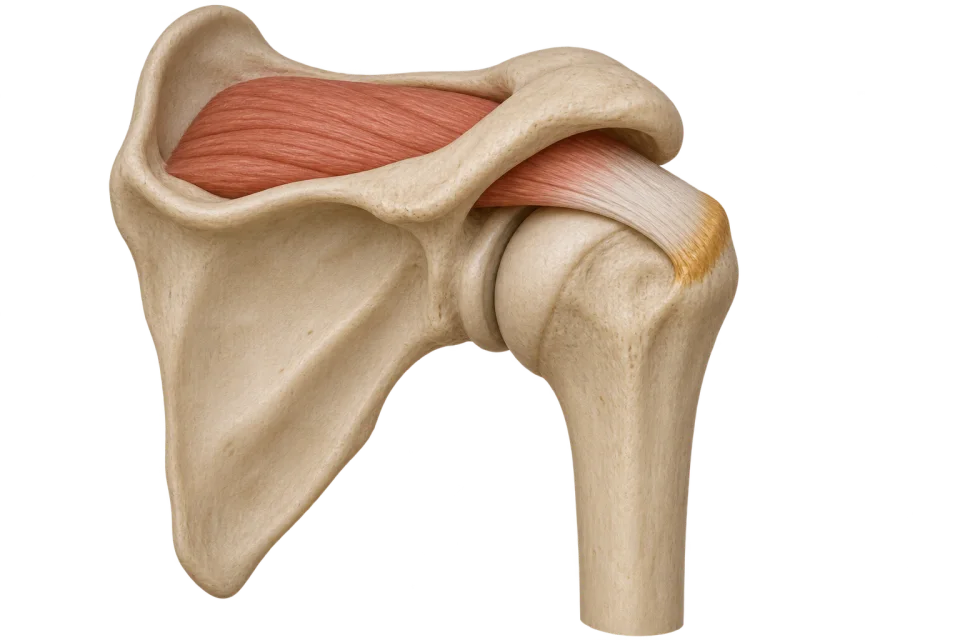
01 / Rotator cuff
Tendons guide the lift
Cuff muscles and tendons move the arm and keep its ball centred in the socket.
Notice pain or weakness when reaching or lifting.
SHOULDER / PATIENT GUIDE
Pain, weakness and stiffness can point to different shoulder problems. Learn what to notice when you reach or lift, and when to get help.
Article credits · Clinical review pending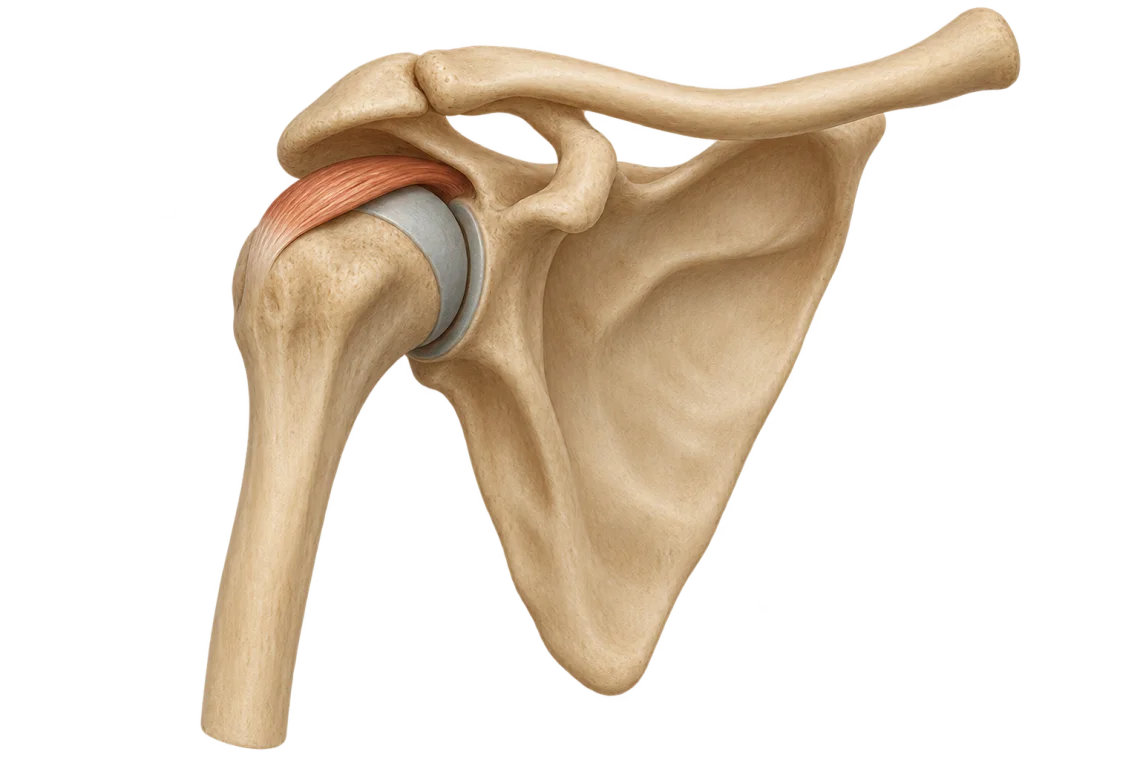
See how it movesCompare the rotator cuff, the joint and nearby nerves.
Describe what changesTell us when you notice pain, stiffness or loss of strength.
Choose the next stepRecognise warning signs and ask which checks would guide care.
01Anatomy / guided comparison
Tendons help lift the arm, the joint capsule surrounds the ball and socket, and nerves link the neck and arm. Several structures can contribute to a similar ache.
Loading illustration…
01 / Rotator cuff
Cuff muscles and tendons move the arm and keep its ball centred in the socket.
Notice pain or weakness when reaching or lifting.
Loading illustration…
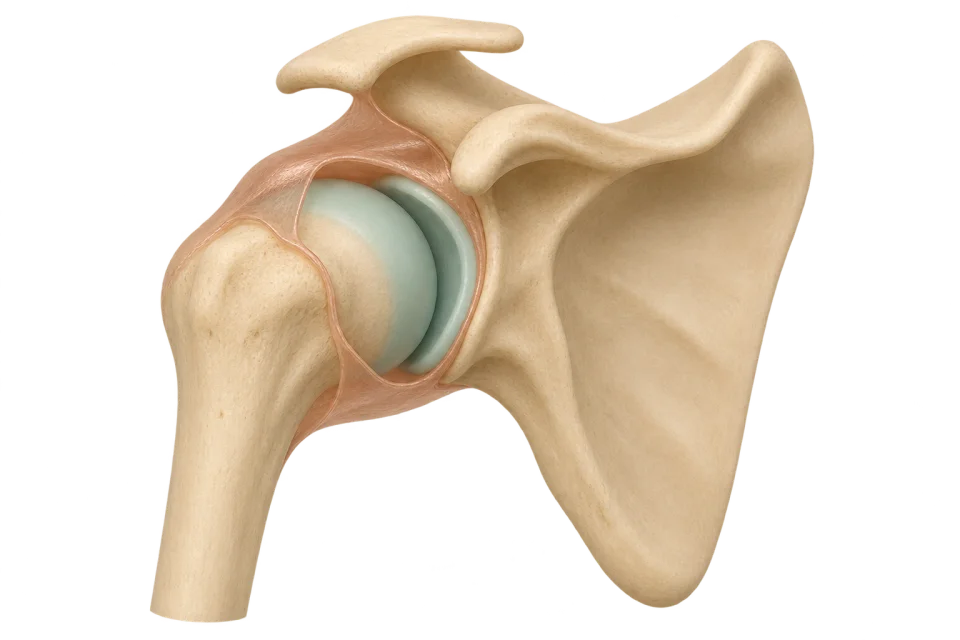
02 / Joint
Smooth cartilage lines the bone surfaces. A sleeve called the capsule wraps the joint. Changes in either can limit movement.
Mention stiffness in several directions.
Loading illustration…
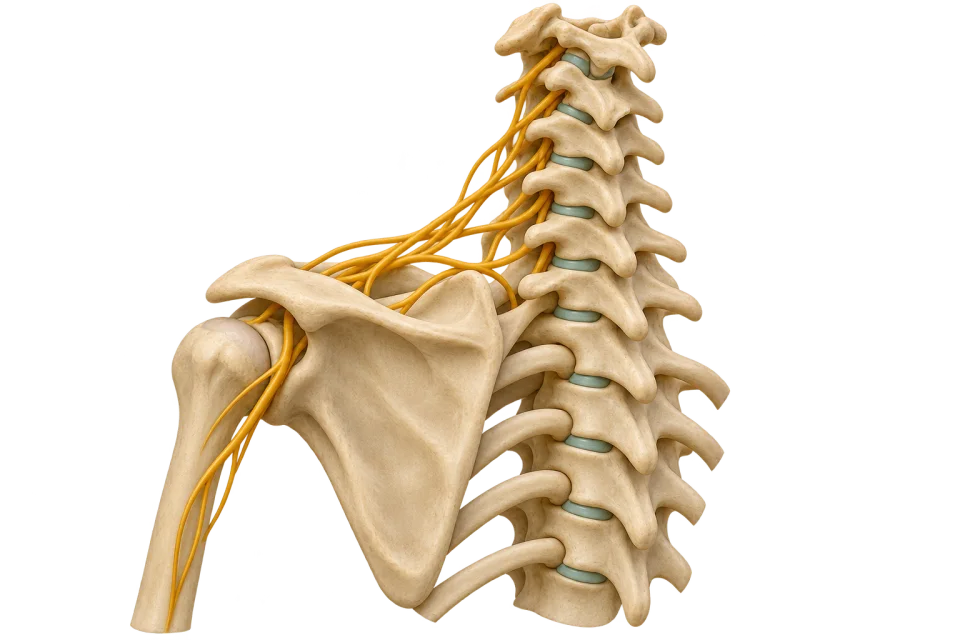
03 / Neck
An irritated neck nerve can cause shoulder or arm symptoms. A clinician can check your neck, shoulder and nerves.
Note tingling or a change when you turn your head.
02Symptoms / the pattern matters
Think of one movement that has become difficult. Tell your clinician where you feel it, when it began, and whether you notice weakness, stiffness or symptoms travelling down the arm.
01 / Reaching or lifting
Pain reaching overhead or lifting a load can involve the rotator cuff or nearby tissues. Tell your clinician if this started after a fall or a lift, or if the arm suddenly became weak.
AAOS · Rotator cuff guideline (2025)A question for your visitDoes my examination suggest a tendon problem or another cause?
02 / Stiff in many directions
Difficulty dressing or reaching behind your back can come with frozen shoulder or arthritis. Your clinician can check how the arm moves on its own and with support.
AAOS OrthoInfo · Frozen shoulderAAOS OrthoInfo · Shoulder arthritisA question for your visitIs movement limited by pain, weakness or stiffness in the joint?
03 / Travels into the arm
Neck-related pain can spread into the shoulder or arm. Notice whether head position changes it or you feel pins and needles, numbness or weakness.
AAOS OrthoInfo · Nerve symptoms from the neckA question for your visitWould checking my neck and nerves help explain these symptoms?
03Warning signs / choose the right help
Some shoulder and arm symptoms need immediate assessment. The urgency depends on how the pain started and what else you notice.
Or go to the nearest emergency department. Arrange help getting there.
For routine clinic enquiries
Request an appointment04Assessment / questions before tests
The history and examination help separate shoulder problems from pain that comes from the neck or elsewhere. Tests can follow when the result is likely to change care.

Tell the clinician when symptoms started, whether there was an injury, where you feel the pain, and how it affects work, sleep or dressing. Bring any previous results or treatment notes.
Which detail matters most for deciding what to check?
NHS · Shoulder pain and urgent signsA clinician can compare how you move the arm with how it moves when supported. They may also check strength, sensation and neck motion if symptoms travel down the arm.
Which findings help you decide what is causing the pain?
AAOS OrthoInfo · Frozen shoulderAAOS · Rotator cuff guideline (2025)AAOS OrthoInfo · Nerve symptoms from the neckAn X-ray can show bone and joint changes. If a tendon injury is suspected, ultrasound or MRI can add detail. A clinician checks whether the results fit your symptoms and examination.
What would this test show, and would it change my plan?
ACR · Imaging for persistent shoulder pain05Care / options and limits
The best starting point depends on the cause and the task you want to get back to. A care plan should explain what to try, when to reassess and what would change the decision.
01 / Activity and rehabilitation
For many shoulder problems, adjusting painful activities and gradually practising suitable movements can help. Rehabilitation for a stiff joint can differ from rehabilitation for an injured tendon. Ask how to progress and what symptoms mean you should check back.
AAOS · Rotator cuff guideline (2025)AAOS OrthoInfo · Frozen shoulderA question for your visitWhich task should we use to track progress?
02 / Medicines and injections
Talk with your clinician or pharmacist about suitable pain relief. A single corticosteroid injection may offer short-term relief in selected people. Discuss the diagnosis, expected duration and your health history before deciding.
AAOS · Rotator cuff guideline (2025)Hopewell and colleagues · GRASP trialA question for your visitWhat would a period of relief allow me to do, and what are the risks?
03 / Other procedures
The original article describes radiofrequency and biologic approaches such as platelet-rich plasma and bone marrow aspirate concentrate. These descriptions do not establish that a treatment restores cartilage or that it routinely helps. The AAOS rotator cuff guideline does not support routine PRP for rotator cuff tendinopathy or partial tears.
AAOS · Rotator cuff guideline (2025)A question for your visitWhat benefit has been shown for my diagnosis, compared with simpler care?
04 / When surgery is considered
A suspected significant tear with new weakness after injury deserves prompt assessment. Selected cuff tears or advanced joint arthritis may lead to a surgical discussion. Decompression, which makes space under the bony roof of the shoulder, has a different evidence base from tendon repair or joint replacement.
AAOS · Rotator cuff guideline (2025)AAOS OrthoInfo · Shoulder arthritisKanto and colleagues · FIMPACT follow-upA question for your visitWhat operation is being considered, and which finding supports it?
06Evidence / shared decisions
Shoulder studies answer specific questions. Check who was studied, what the treatment was compared with and how long the result lasted.
Historical tables from the original clinic article
01 / Cuff care
For symptomatic small to medium full-thickness tears, AAOS reports that both physical therapy and surgery can improve patient-reported outcomes. A clinician can help weigh recovery, tear features and what matters to you.
How do the type of tear and my goals affect the choice?
02 / Injection trial
In GRASP, a steroid injection modestly improved pain and function at eight weeks. There was no clear benefit over 12 months. The trial excluded people with significant recent trauma or a full tear requiring surgery.
What would short-term relief help me achieve?
03 / Surgery trial
The trial studied persistent pain below the acromion, the bony roof of the shoulder. Both groups had an operation to look inside the joint. Only decompression removed bone to make more space. The trial did not study tendon repair.
Is this evidence relevant to the operation I am considering?
07Daily life / prepare for the visit
A few details from an ordinary day can make assessment easier. Use these fictional examples to describe a movement and what you want to regain.

Fictional visit notes
08Questions / find a starting point
Call 112 if shoulder or arm pain comes with possible heart attack signs such as chest pressure, breathlessness, sweating or faintness. After an injury, go to emergency care if the shoulder has changed shape or the arm becomes cold, pale or numb.
Frozen shoulder often limits movement in several directions, even when someone supports the arm. Arthritis and other conditions can also cause stiffness. A clinician can compare the patterns and may use an X-ray when appropriate.
The need for imaging depends on your symptoms and examination. X-rays can help check bones and joints. A clinician may request ultrasound or MRI if a tendon question could affect treatment.
Yes. A nerve irritated in the neck can cause pain into the shoulder or arm and sometimes tingling, numbness or weakness. An examination can help decide where to look.
An injection can reduce symptoms for some people in the short term. The cause of the pain and your health history guide whether it is a reasonable option.
Care depends on how the tear happened, which tendon is involved and what you want to regain. Some people improve with rehabilitation. New weakness after an injury deserves prompt assessment.
09Sources / editorial accountability
This guide brings together the clinic’s original educational material and separately linked guidance.
Shoulder Pain · Published by IBAP Clinics
The original Shoulder Pain article comes from IBAP Clinics and credits Dr Vijay Bhaskar Bandikatla for its FAQ answers. The anatomy table, clinic perspectives, treatment descriptions and FAQs are preserved in the archive. The current adaptation draws on separately linked guidelines and research. The original article’s procedure claims are historical context.
Go to the original article archiveAdapted for IBAP Clinics with AI assistance from OpenAI Codex.
The adaptation reorganises the original article for patients and adds educational illustrations, examples and separately linked clinical guidance.

Clinic physician profile
Pain physician and founder, IBAP Clinics
Read the physician’s profileClinical review pendingClinician review of the adapted copy and illustrations is awaiting confirmation.
Editorial update
Common patterns, activity guidance and changes that need medical assessment.
Symptoms involving the chest, arms or breathing that can require emergency help.
Signs of a possible dislocation after injury and why it needs emergency assessment.
Urgent warning signs of a possible joint infection.
Assessment and options for selected rotator cuff injuries and tears, including rehabilitation, injections and repair.
How the joint capsule can limit movement and how a clinician assesses stiffness.
Shoulder joint anatomy, joint-related symptoms and diagnosis-specific treatment options.
How a neck nerve problem can cause pain, tingling or weakness into the shoulder and arm.
When an X-ray, ultrasound or MRI may help answer different diagnostic questions.
Randomised comparison of physiotherapist advice and supervised exercise, with or without a corticosteroid injection.
Ten-year results comparing subacromial decompression with placebo surgery and exercise therapy.
This archive preserves the clinic’s source article, including its tables and references. It may contain earlier estimates, terminology and treatment claims. The patient guide above presents the current reading and decision-making context with separately linked guidance.
Original article destinationEducational content for a clinical conversation. Illustrations simplify anatomy.