MUSCLE AND SOFT TISSUE
The layers beneath the scar
Skin and deeper tissues can be sore as they recover. The operation and its recovery plan help explain which movements may feel uncomfortable.
AFTER AN OPERATION / PATIENT GUIDE
Pain can change as you recover from surgery. If it worsens or keeps affecting daily life, knowing what changed can help your care team decide what to check and what support might help.
Article credits · Clinical review pending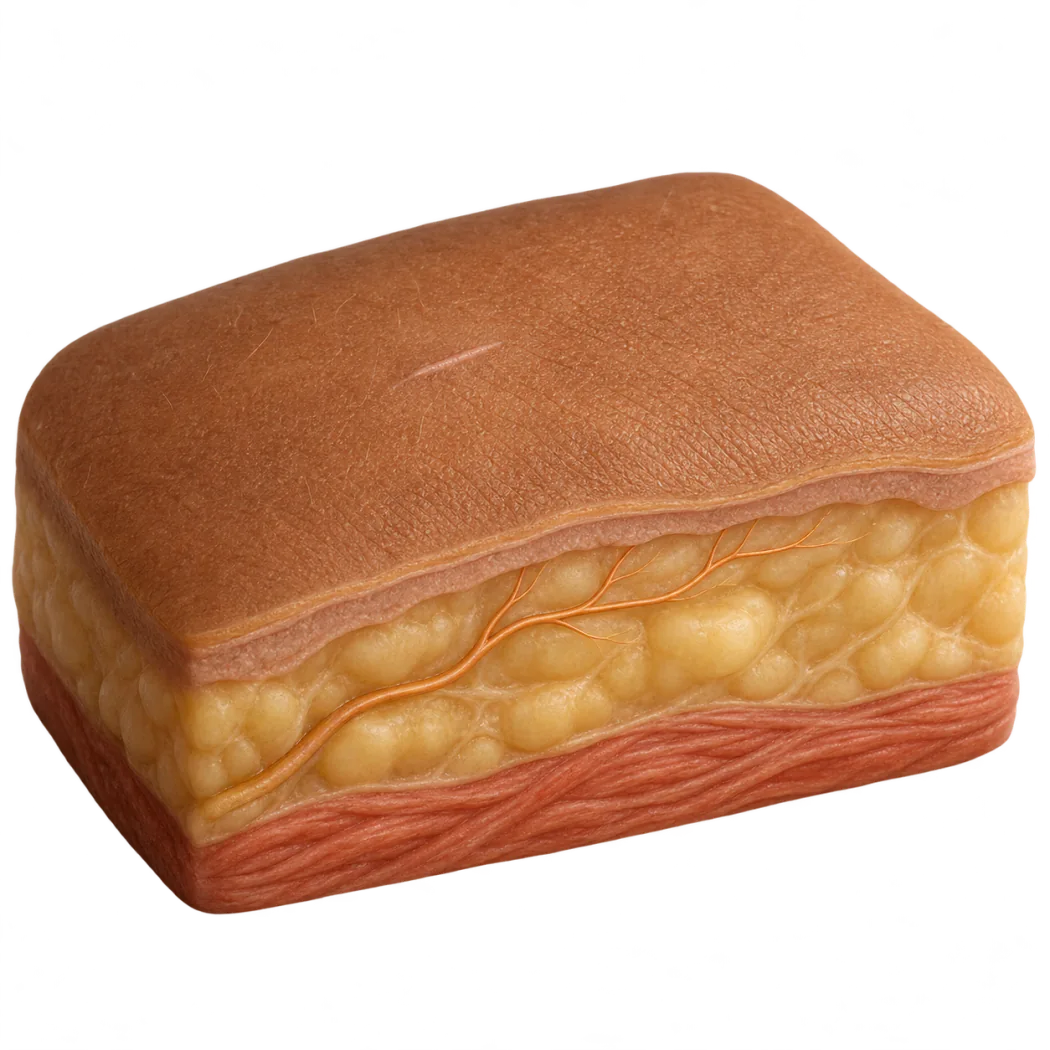
Check what changedTell your team when pain began and whether it’s easing, changing or getting worse.
Know when to get helpFind the right contact for new symptoms or recovery concerns.
Choose one useful goalBring a task you want to get back to, along with your questions.
01Anatomy / guided comparison
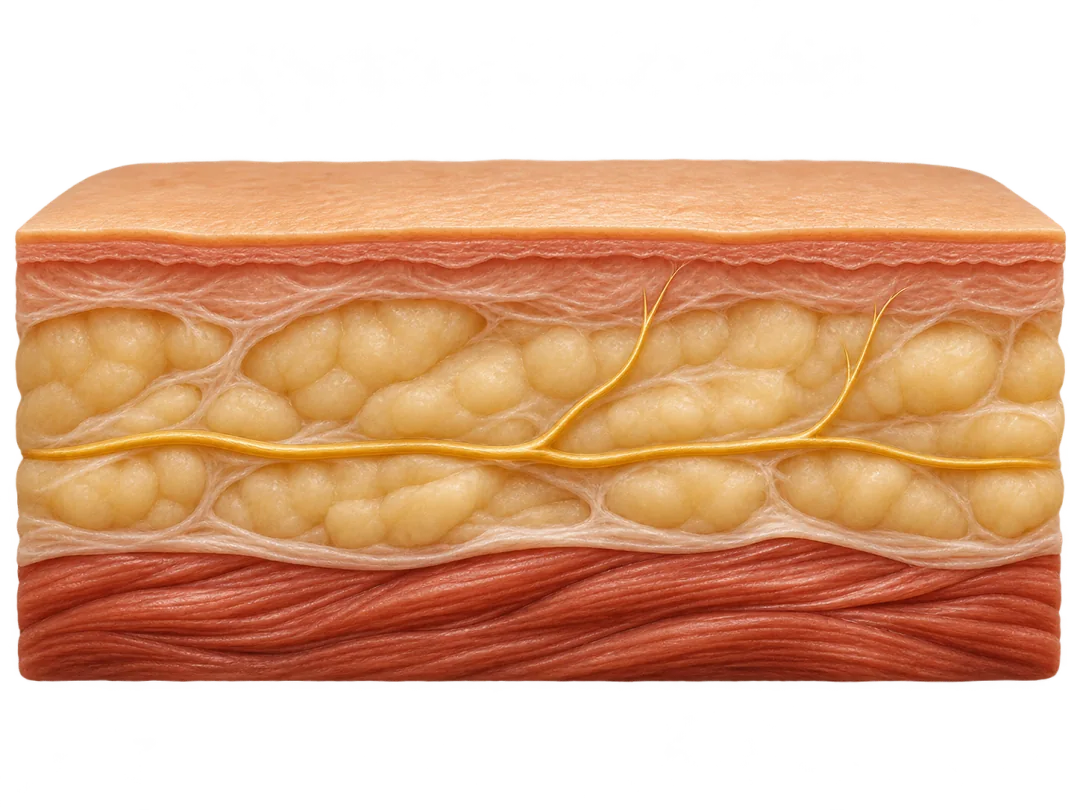
A scar shows the surface of a surgical area. Pain can involve healing tissues, affected nerves or a change in sensitivity. More than one contributor can be involved, and a clinician checks what fits your situation.
MUSCLE AND SOFT TISSUE
Skin and deeper tissues can be sore as they recover. The operation and its recovery plan help explain which movements may feel uncomfortable.
The cutaway illustrates local tissues. The sensitivity view explains a change in pain processing that can extend beyond this area.
IASP task force · Postsurgical pain classification02Symptoms / the pattern matters
The expected course depends on your operation and your own recovery. Tell your care team what came first, how the pain is changing and what is harder to do now.

01 / Early recovery
Soreness is common soon after surgery. Use the recovery plan for your operation and ask what changes to expect, how to use your pain relief safely and who to contact if recovery is harder than expected.
NICE NG180 · Perioperative care in adultsA question for your visitWhat recovery changes should I expect after my particular operation?
02 / New or worse
New or increasing pain, especially alongside a hot or swollen wound, fluid leaking from it or fever, needs prompt attention. The surgical team can advise you on the next step.
Guy’s and St Thomas’ NHS · Surgical woundsA question for your visitWhich number from my discharge notes should I call if my symptoms change?
03 / Pain that stays
Seek advice promptly if pain is severe, getting worse or limiting recovery. Chronic postsurgical pain begins or increases after an operation and persists beyond healing, at least three months after surgery. A clinician checks whether infection, an existing condition or another cause explains it.
IASP · ICD-11 pain classificationA question for your visitHow does my symptom pattern compare with the expected recovery for this operation?
03Warning signs / choose the right help
Use the instructions and contact number from your discharge papers for concerns about recovery. Some new symptoms need immediate emergency care. The contacts below apply in India.
Or go to the nearest emergency department. Arrange help getting there.
For routine clinic enquiries
Request an appointment04Assessment / questions before tests
The operation, the timing of symptoms and what you can do now help your clinician decide what to check. Take your discharge summary and a current medicine list if you have them.

Describe the operation, when your current pain began and how it compares with pain you had before surgery. Explain which movements, light touch or activities affect it and whether it is easing or spreading.
Could the timing or location help distinguish surgical recovery from another cause?
IASP · ICD-11 pain classificationDepending on the operation, an assessment may include checking the surgical area, movement, sensation and how pain affects sleep or everyday tasks. Burning, shocks or sensitivity to light touch can help guide an examination of the nerves.
Which findings might point to a nerve contribution or another cause?
Schug et al. · Postsurgical pain classification (2019)The team can consider targeted tests if there is concern about a complication or another condition. For example, suspected infection may prompt a wound check or a sample so the team can decide what care is needed.
What would a test help check, and how would the result affect my care?
Guy’s and St Thomas’ NHS · Surgical wounds05Care / options and limits
An early recovery plan and care for pain that persists serve different purposes. Choose with your surgical team or pain clinician, based on the operation, examination and what you want to get back to.
01 / Early recovery
Ask who you can contact about unexpected pain, how to use your prescribed medicines and when to review them. For some operations the hospital team discusses regional pain relief or patient-controlled pain relief for early recovery.
NICE NG180 · Perioperative care in adultsA question for your visitCan we agree whom I should call if recovery pain is harder to manage than expected?
02 / Rehabilitation
Ask if a physiotherapy or rehabilitation referral fits your recovery. Your team can help you work toward activity within surgery-specific restrictions and discuss how sleep or worry may be affecting what you can do.
NICE NG193 · Assessment of chronic painWylde et al. · STAR knee replacement trial (2022)A question for your visitWhich activity would make a useful starting point, and how will we review it?
03 / Medicine review
If the assessment points to a nerve-pain component, a clinician may discuss medicines for neuropathic pain. Bring information about other medicines and side effects. Ask the prescriber about the review plan before changing a dose or stopping a medicine.
NICE CG173 · Neuropathic pain in adultsA question for your visitWhat improvement and side effects should I look for before the next review?
04 / Specialist review
If pain continues to affect daily life, discuss a review with the relevant surgical service or a specialist pain team. Ask about targeted care, expected benefits, risks and alternatives if a procedure is proposed.
NICE NG193 · Assessment of chronic painWylde et al. · STAR knee replacement trial (2022)A question for your visitWhat assessment finding would make a particular option worth considering?
06Evidence / shared decisions
A definition, a practice guideline and a clinical trial answer different questions. Their details can help you ask which findings apply to your recovery.
01 / Classification
The IASP classification describes the pattern clinicians use for chronic postsurgical pain. It considers when the pain began or increased, where it is felt and whether another condition better explains it. New or worsening symptoms can need assessment much earlier.
What matters about the timeline for my operation and symptoms?
02 / Early pain relief
The guideline covers adult perioperative care and decisions about pain relief immediately after surgery. Its recommendations support shared planning around the operation. Treatment for pain that persists needs a separate assessment.
Does this recommendation concern early recovery or persistent pain?
03 / Knee replacement trial
The 2022 STAR trial randomised 363 people who had pain three months after total knee replacement. Targeted assessment and follow-up added to usual care reduced average pain severity and interference with daily life by about 0.7 points on 0–10 scales 12 months after participants joined the trial. This result concerns the whole pathway in that operation group.
What part of a targeted assessment or follow-up could be relevant to me?
07Daily life / prepare for the visit
Give one example of a task that changed, what the pain felt like and what you want to ask. These two fictional notes illustrate different points in recovery.

Fictional visit notes
08Questions / find a starting point
Contact your surgical team sooner if pain is severe, increasing, changing or interfering with recovery. Three months is part of the clinical definition of chronic postsurgical pain. Check the warning signs for symptoms that need urgent care.
Burning, shooting sensations, pins and needles or painful light touch can suggest nerve involvement. Describe where they occur and what brings them on. The clinician uses the history and examination to check what fits.
Yes. A clinician considers the operation, your symptoms and deeper tissue or nerve contributions, and checks for other explanations. Let your care team know if pain persists or changes.
Seek prompt advice from your surgical team or a clinician if the wound becomes more painful, hot or swollen, leaks fluid, opens, or you feel feverish or unwell.
Discuss expected pain, available options and a recovery contact with your surgical or anaesthesia team. Share your current medicines and your previous experience of pain relief.
Bring your operation date and discharge information if available, your current medicine list, a short symptom timeline and one activity you want to work on.
09Sources / editorial accountability
This guide brings together the clinic’s original educational material and separately linked guidance.
Post Surgical Pain · Published by IBAP Clinics
The original IBAP Clinics article discusses risk, prevention, medicines, procedures and rehabilitation. Its estimates, treatment descriptions and individual patient stories remain in the archive. The guidance and research linked here give those details context.
Go to the original article archiveAdapted for IBAP Clinics with AI assistance from OpenAI Codex.
The adaptation reorganises the original article for patients and adds educational illustrations, examples and separately linked clinical guidance.

Clinic physician profile
Pain physician and founder, IBAP Clinics
Read the physician’s profileClinical review pendingClinician review of the adapted copy and illustrations is awaiting confirmation.
Editorial update
Criteria for chronic postsurgical pain, possible nerve involvement and the importance of checking other causes.
The IASP task force explains the classification and its scope across operations.
Discussing pain relief around surgery and during early recovery, with a named point of contact.
Clinician-led treatment for assessed nerve pain, including early review of benefit and side effects.
Patient-centred assessment, including activity, sleep, wellbeing and the role of an underlying condition.
Signs of possible wound infection and when to contact the surgical team or a doctor.
Discharge advice and symptoms that need faster assessment.
New one-sided leg pain and swelling that may need urgent assessment after surgery.
Sudden breathlessness, chest pain and collapse as emergency symptoms.
Randomised trial of targeted assessment and follow-up for pain at three months after total knee replacement.
This archive preserves the clinic’s source article, including its tables and references. It may contain earlier estimates, terminology and treatment claims. The patient guide above presents the current reading and decision-making context with separately linked guidance.
Original article destinationEducational content for a clinical conversation. Illustrations simplify anatomy. Original patient stories describe individual experiences.