FURTHER READING
03SPORT / THE CONTEXT MATTERS
Tell us what you do.And what changed.
The clinic article looks closely at cricket, badminton and gym training in India. Your weekly routine, work and recovery make the story individual.
CRICKET / A BETTER HISTORY
Count the demands between the matches.
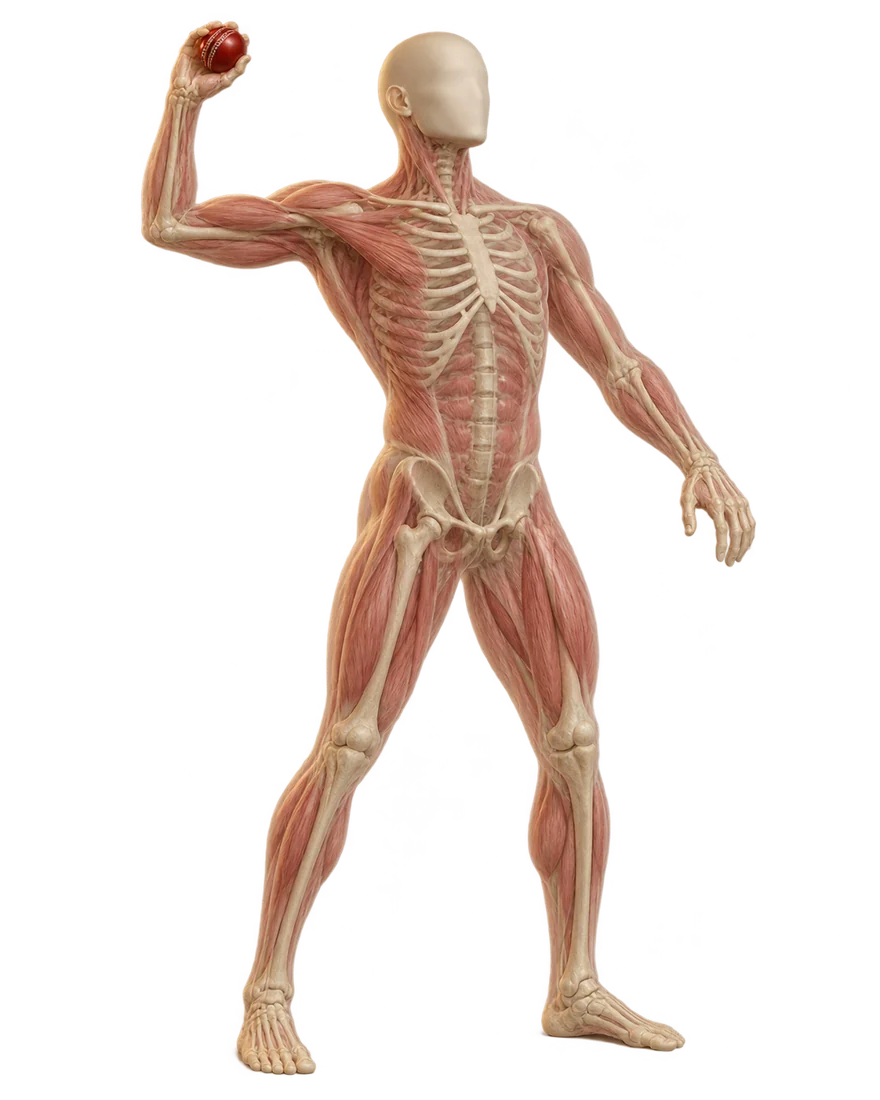
Bowling, throwing, batting and fielding load the body in different ways. The source article highlights the lower back, shoulder, fingers and wrist.
Fast bowling / back
Discuss delivery volume, recent increases, recovery and pain during or after bowling. Persistent focal back pain in a young athlete needs assessment.
Throwing / shoulder
Describe overhead pain, loss of throwing distance, weakness or a sense that the shoulder slips.
Ball impact / hand
Report the exact impact, swelling, finger position and whether you can move normally. A jammed finger can still conceal a significant injury.
What changed in bowling, throwing or match frequency before the pain began?
Fast bowling / back. Discuss delivery volume, recent increases, recovery and pain during or after bowling. Persistent focal back pain in a young athlete needs assessment.
Throwing / shoulder. Describe overhead pain, loss of throwing distance, weakness or a sense that the shoulder slips.
Ball impact / hand. Report the exact impact, swelling, finger position and whether you can move normally. A jammed finger can still conceal a significant injury.
Ask: What changed in bowling, throwing or match frequency before the pain began?
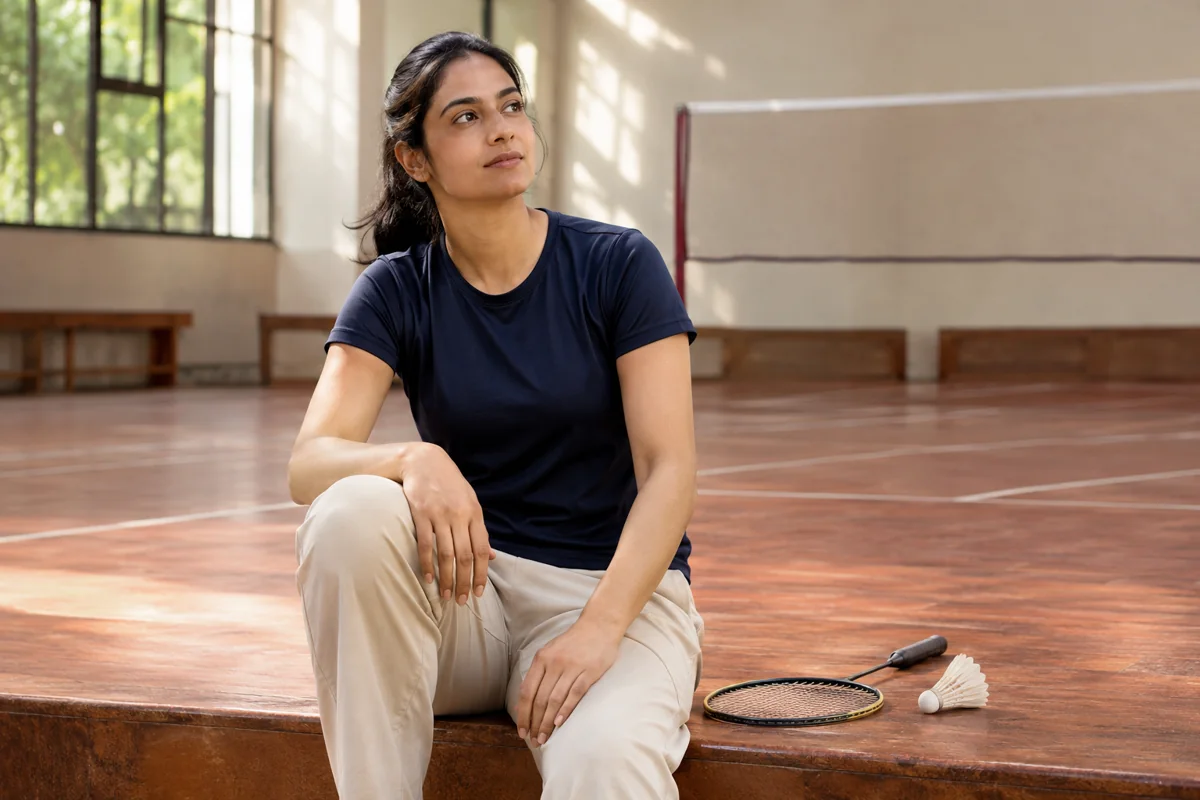
Quick changes of direction are real athletic work.
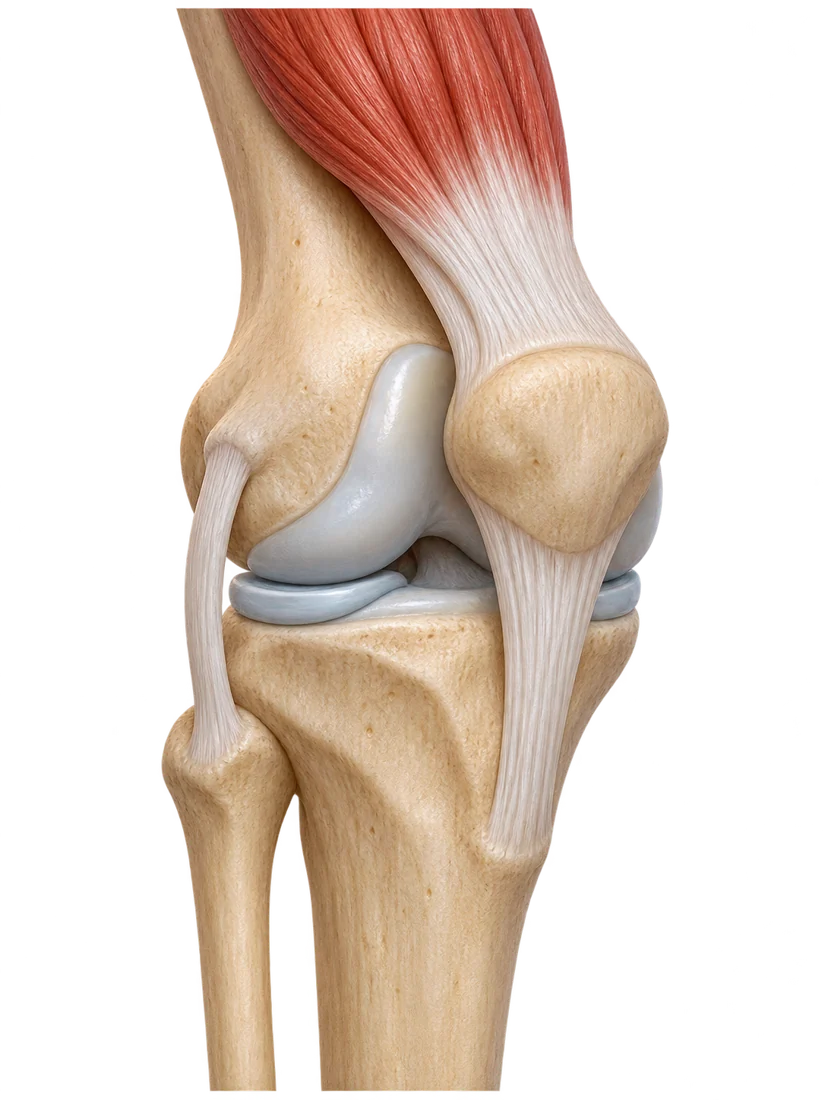
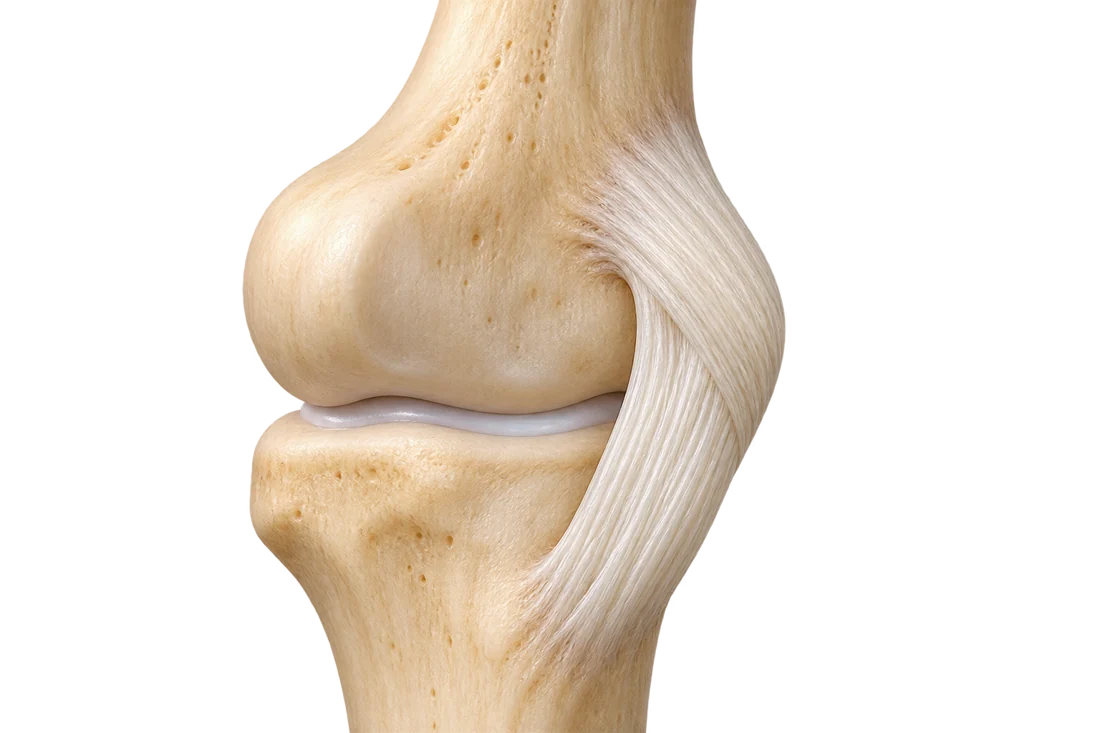
Repeated lunges, jumps and racket use place demands on the knee, ankle, Achilles tendon and elbow, including in recreational play.
Lunge / knee. A twist or awkward landing is different from pain that accumulates through a session. Explain swelling and any catching or giving way.
Push-off / heel. Describe morning stiffness, gradual tendon discomfort or a sudden snap. These should not all be labelled an ankle sprain.
Grip / elbow. Note which strokes or gripping tasks trigger pain and whether work or household tasks add similar demands.
Ask: Does the problem start during play, after the session or the next morning?
Match the plan to your present capacity.
A sudden jump in weights, repetitions or training frequency can exceed what you are prepared for. Coaching, recovery and an individual progression all matter.
Compound lifts / back. Bring the recent training log and describe the particular movement. Pain does not reveal a tissue diagnosis on its own.
Pressing / shoulder. Discuss discomfort during overhead work, range of movement and any weakness after a specific incident.
Returning after a break. Previous fitness is useful history, but it does not establish current readiness. Review the starting load rather than chasing an old personal best.
Ask: Which training variable changed most: weight, volume, frequency or exercise choice?
Sport-specific examples are adapted from the original clinic article. They are prompts for assessment, rather than a diagnosis from an activity name.