






















 Call 108








Neck pain often has several contributors, including prolonged desk or screen use, sustained positions, stress, sleep and injury. There is no reliable basis here to rank one cause as Hyderabad’s most common. Assessment focuses on your symptoms and daily activities.
NECK PAIN / A PATIENT GUIDE
Understand
your neck pain. Know your next step.
From everyday stiffness to nerve-related pain and neck-sourced headaches, understanding the cause helps guide the right care.
IBAP Clinics · Hyderabad
01 / QUICK SUMMARY
Six things to know about neck pain.
Everyday strain can contribute
Long desk sessions, phone use, sustained driving positions and injury can contribute to neck pain.
Care often starts without surgery
Many episodes improve over time. Care depends on the cause; surgery is reserved for specific indications.
Know when to seek urgent help
Seek emergency care for a sudden severe headache, fever with neck stiffness, sudden or progressive limb weakness, or chest pain spreading to the neck or jaw. New numbness needs prompt assessment.
Assessment comes first
A clinical history and examination guide care. Imaging and diagnostic injections are selected when they can answer a specific question.
Procedures need an individual plan
Nerve blocks or radiofrequency treatment may suit selected cases. Intradiscal procedures and spinal cord stimulation need specialist assessment; benefits and risks vary.
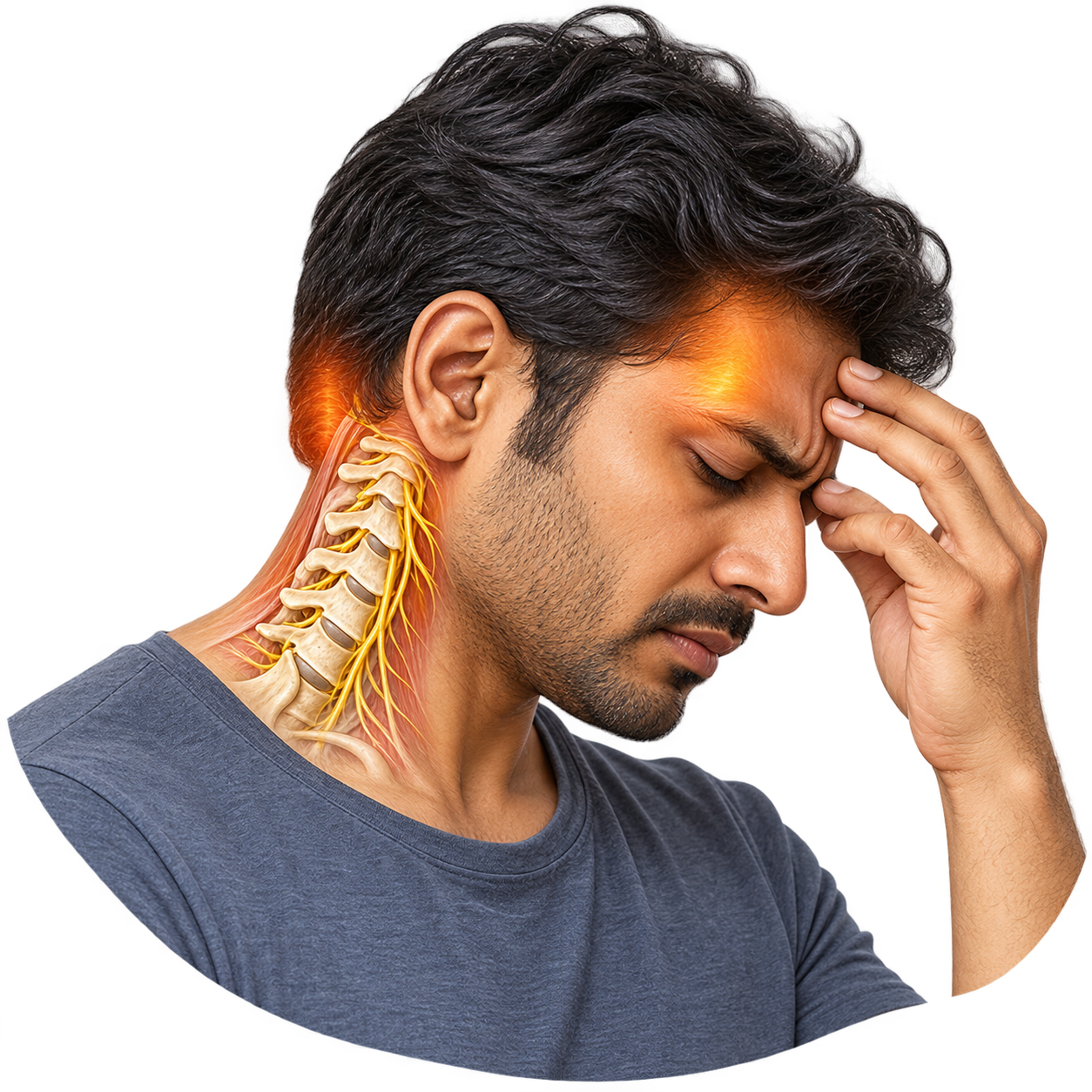
Headaches may start in the neck
Cervicogenic headache can overlap with migraine symptoms. Clinical assessment helps distinguish them and guide care.
02 / EXPLORE THE GUIDE
Understanding
neck pain.Find your
starting point.
Seven topics to help you understand common causes, treatment options and when assessment matters.
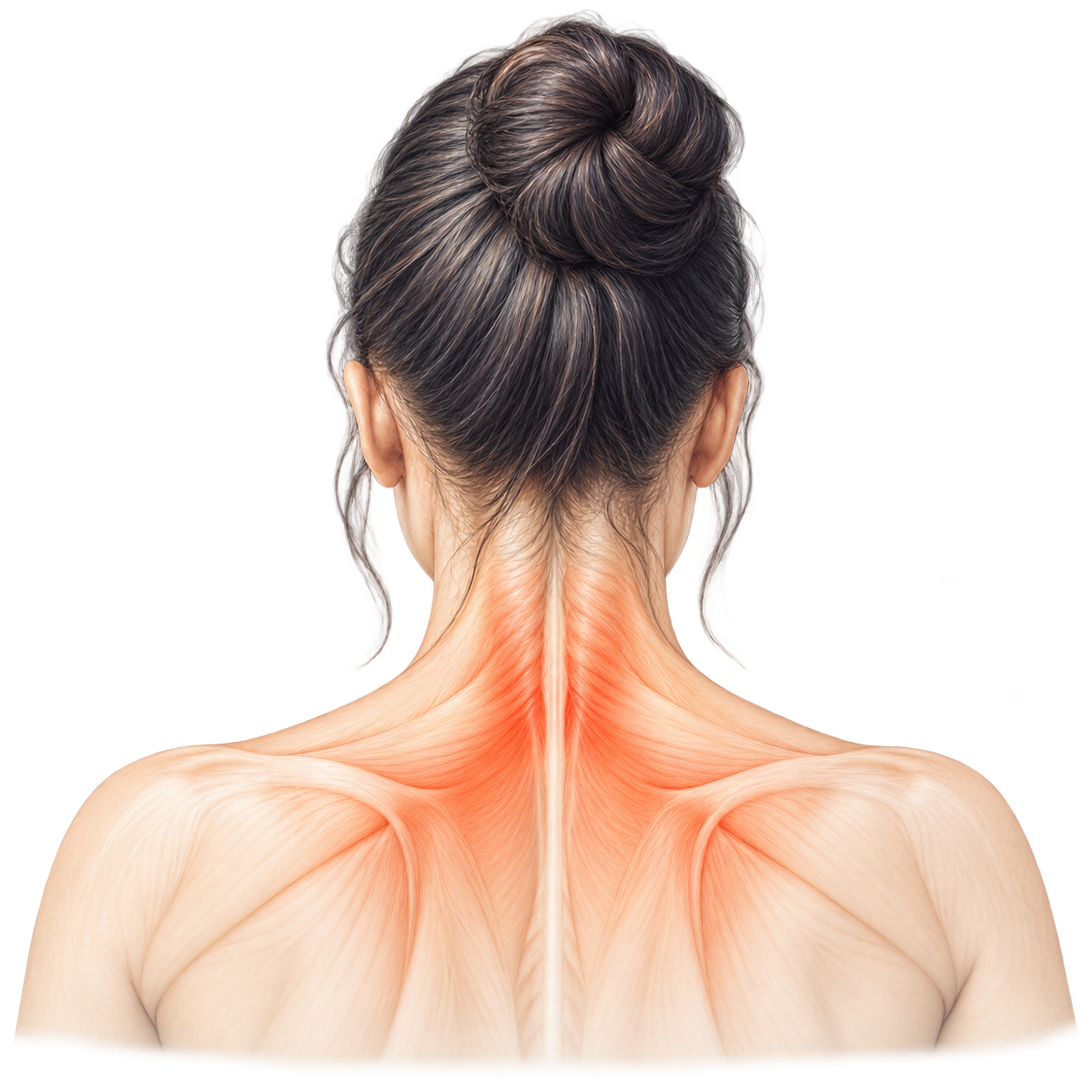
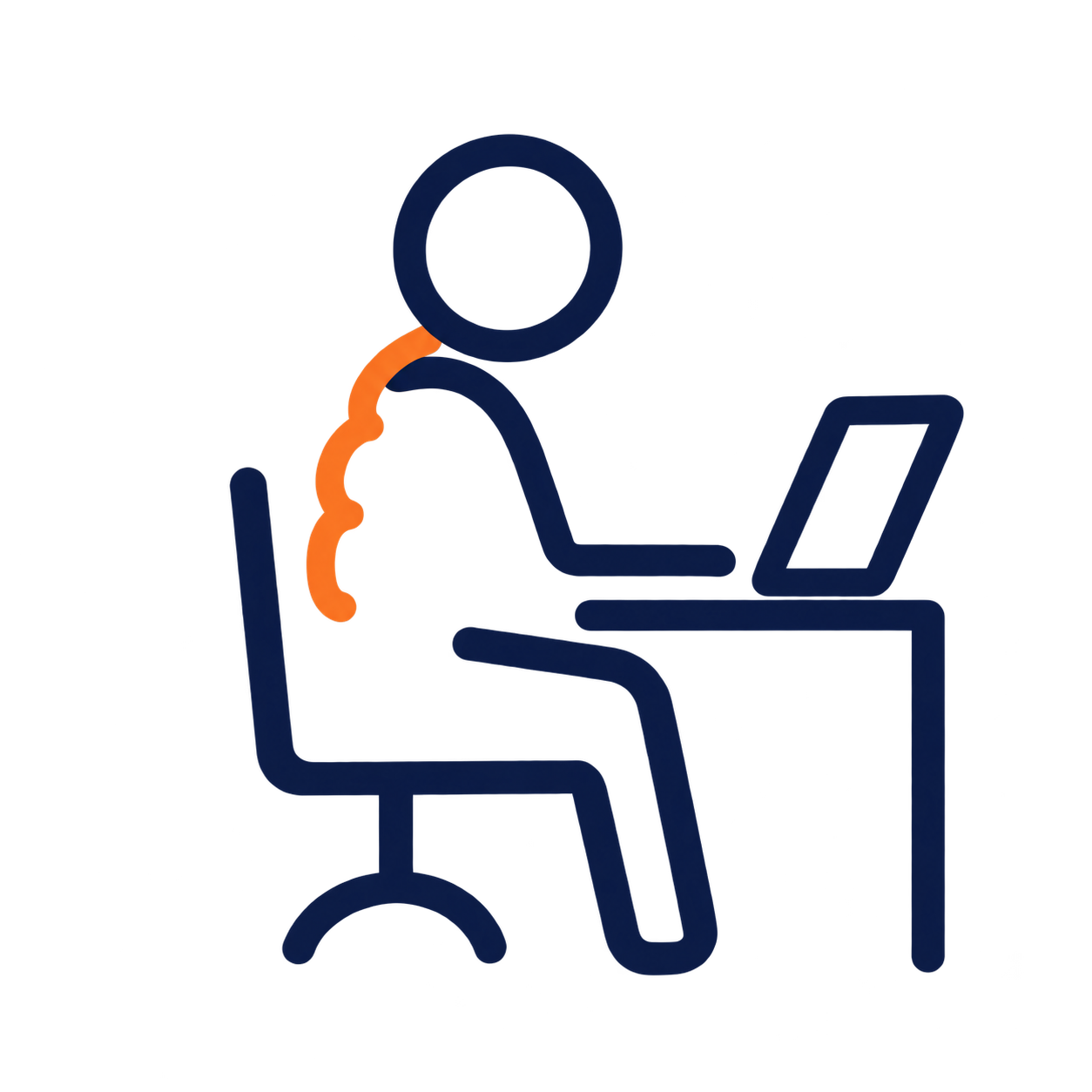
Tech Neck
Postural strain linked to screens and sustained positions.
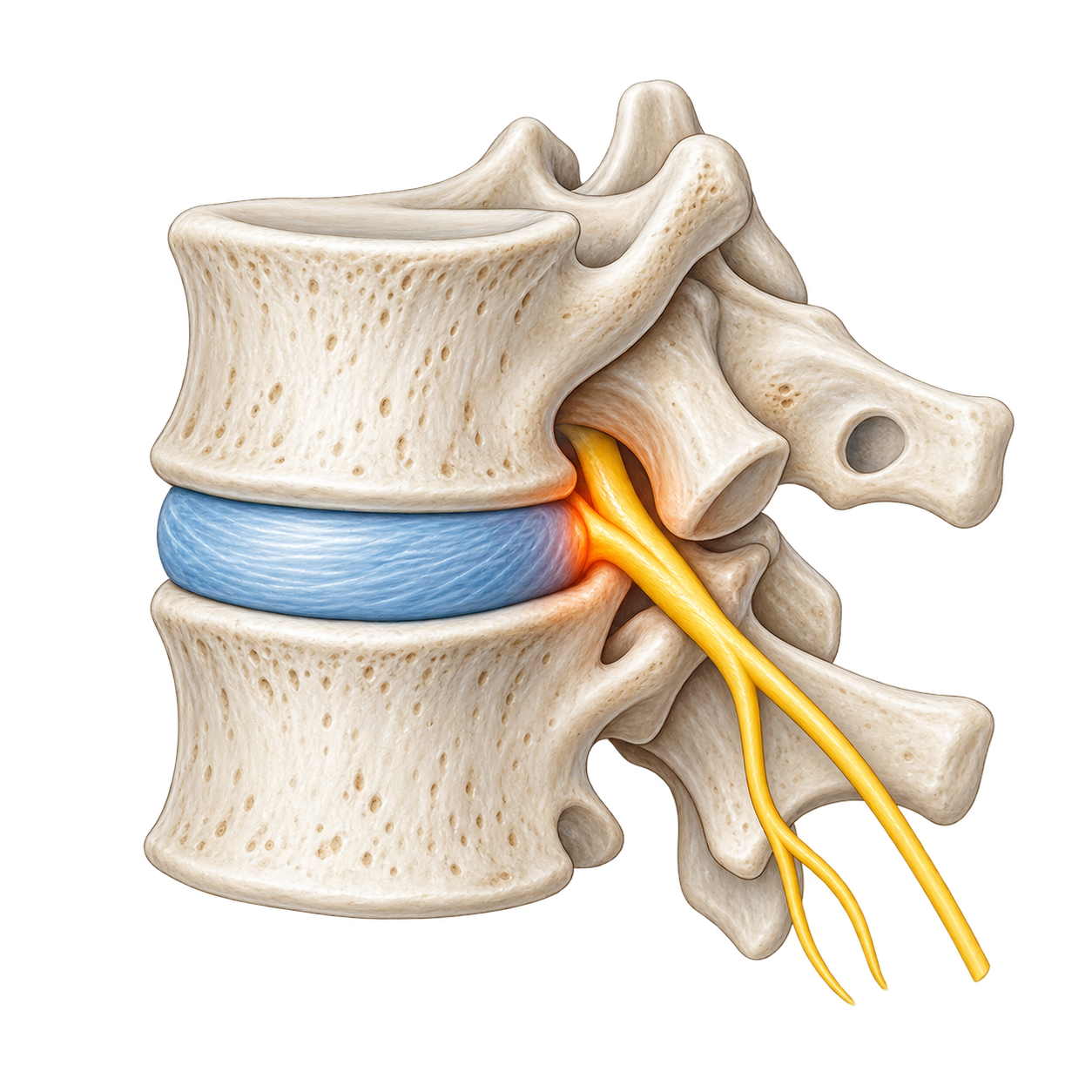
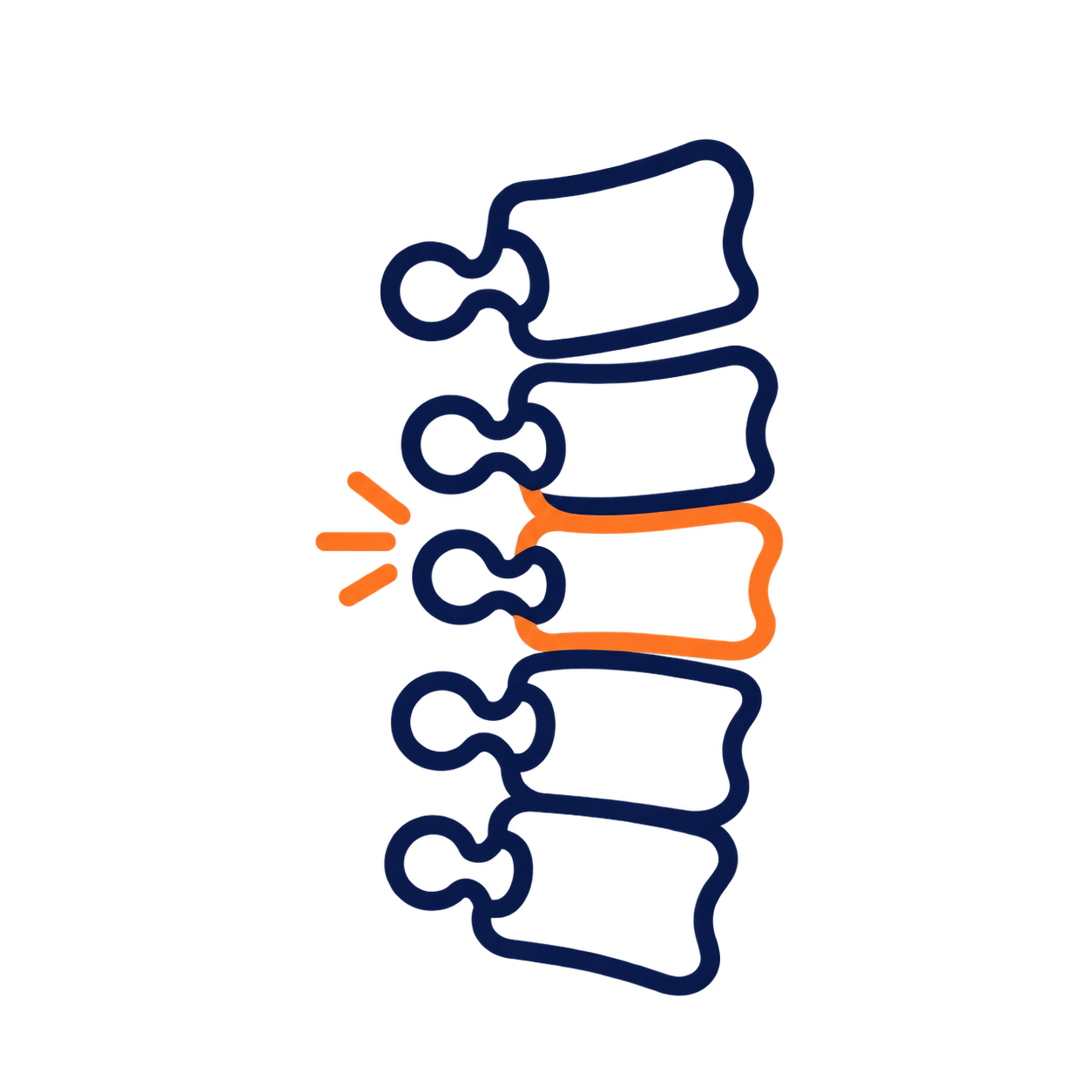
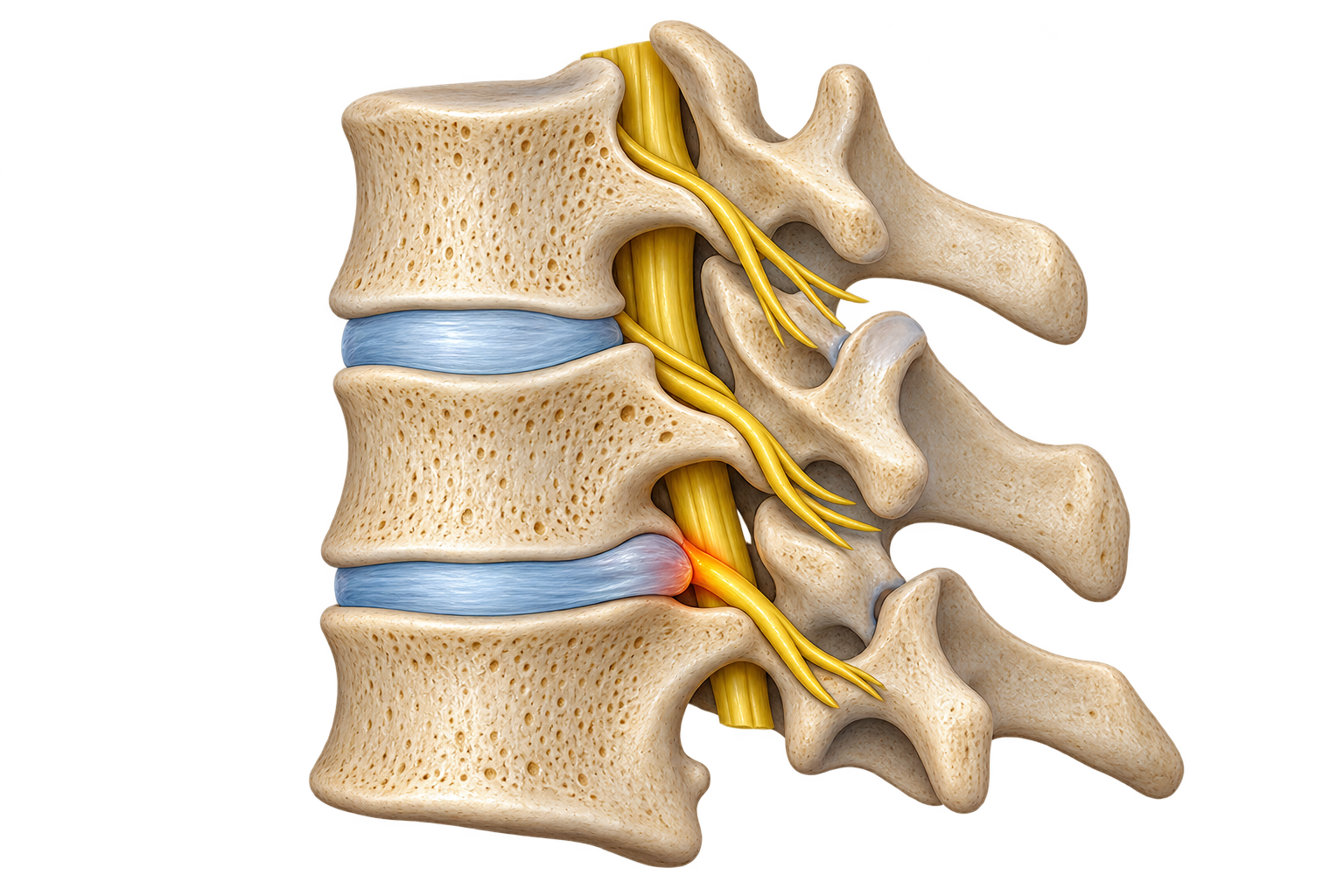
Cervical Disc
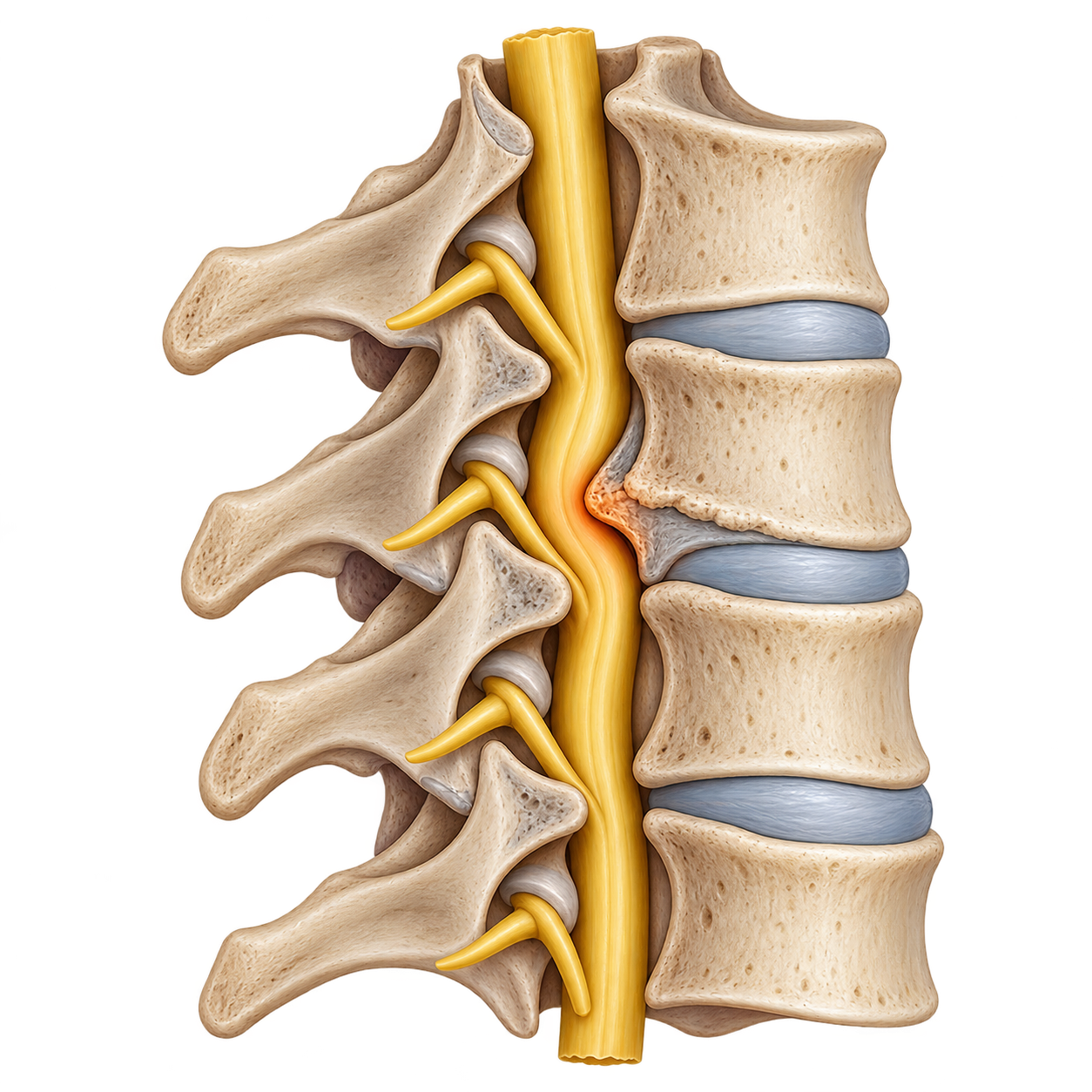
Disc changes and irritation of nearby nerve roots.
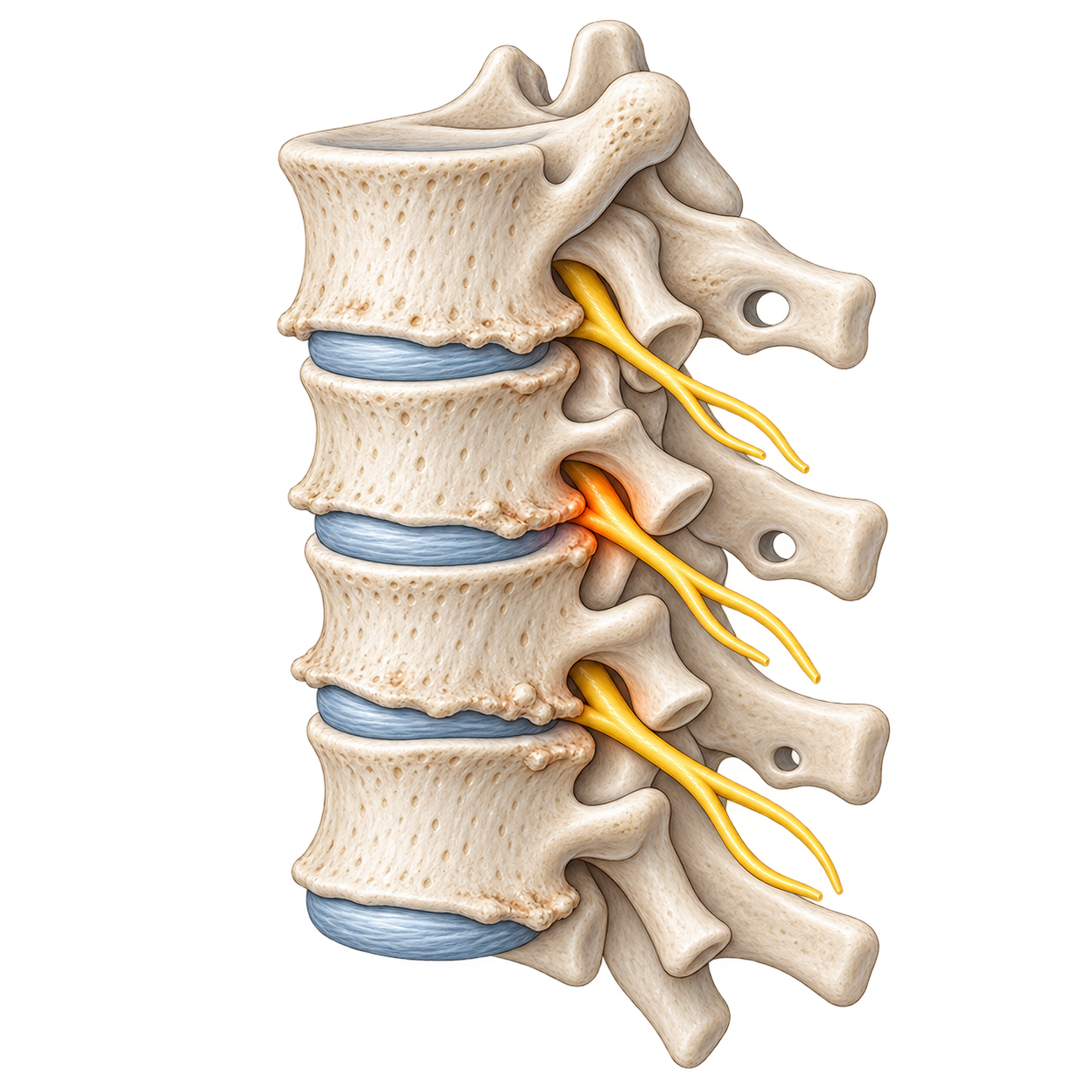
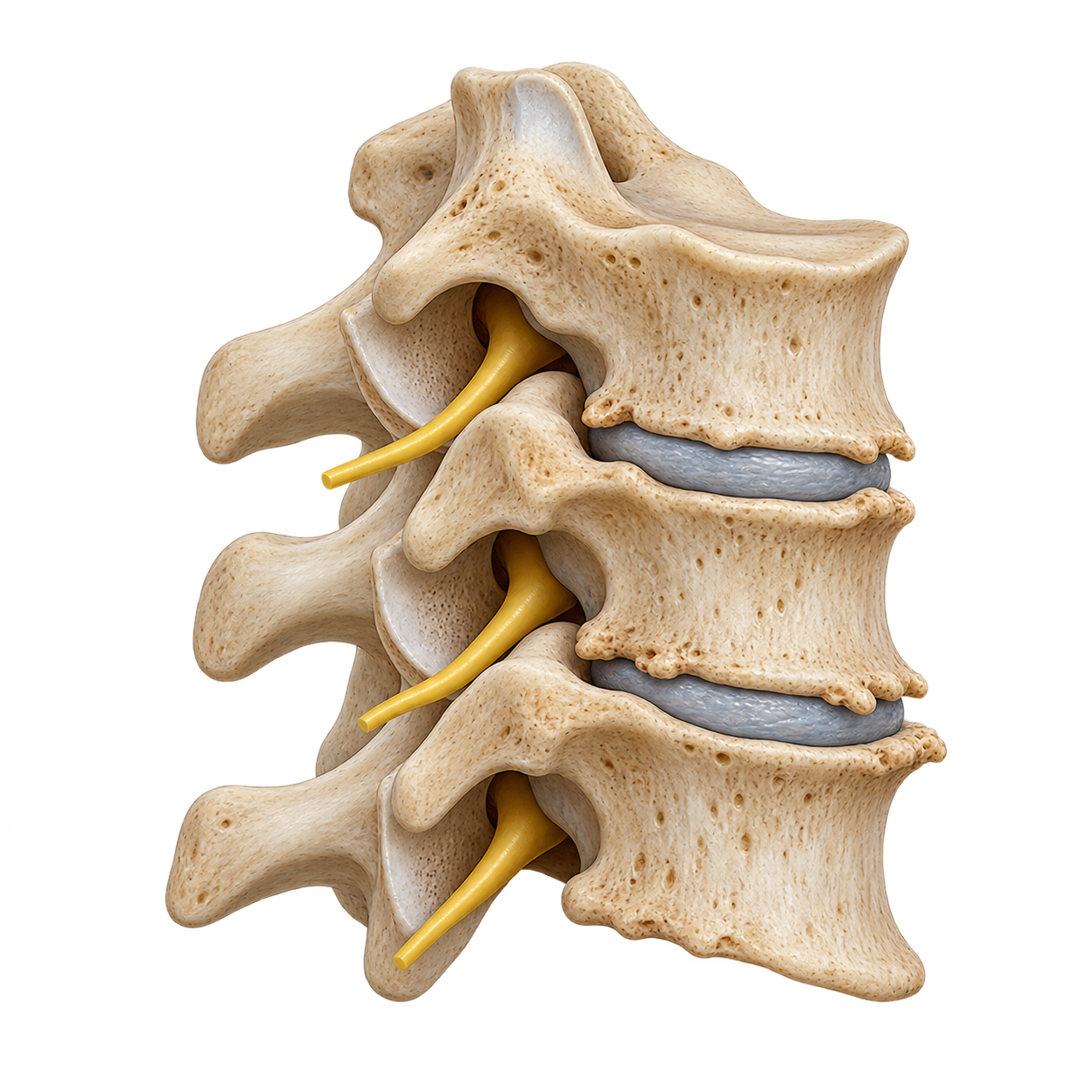
Cervical Spondylosis
Age-related changes in the neck’s joints and discs.
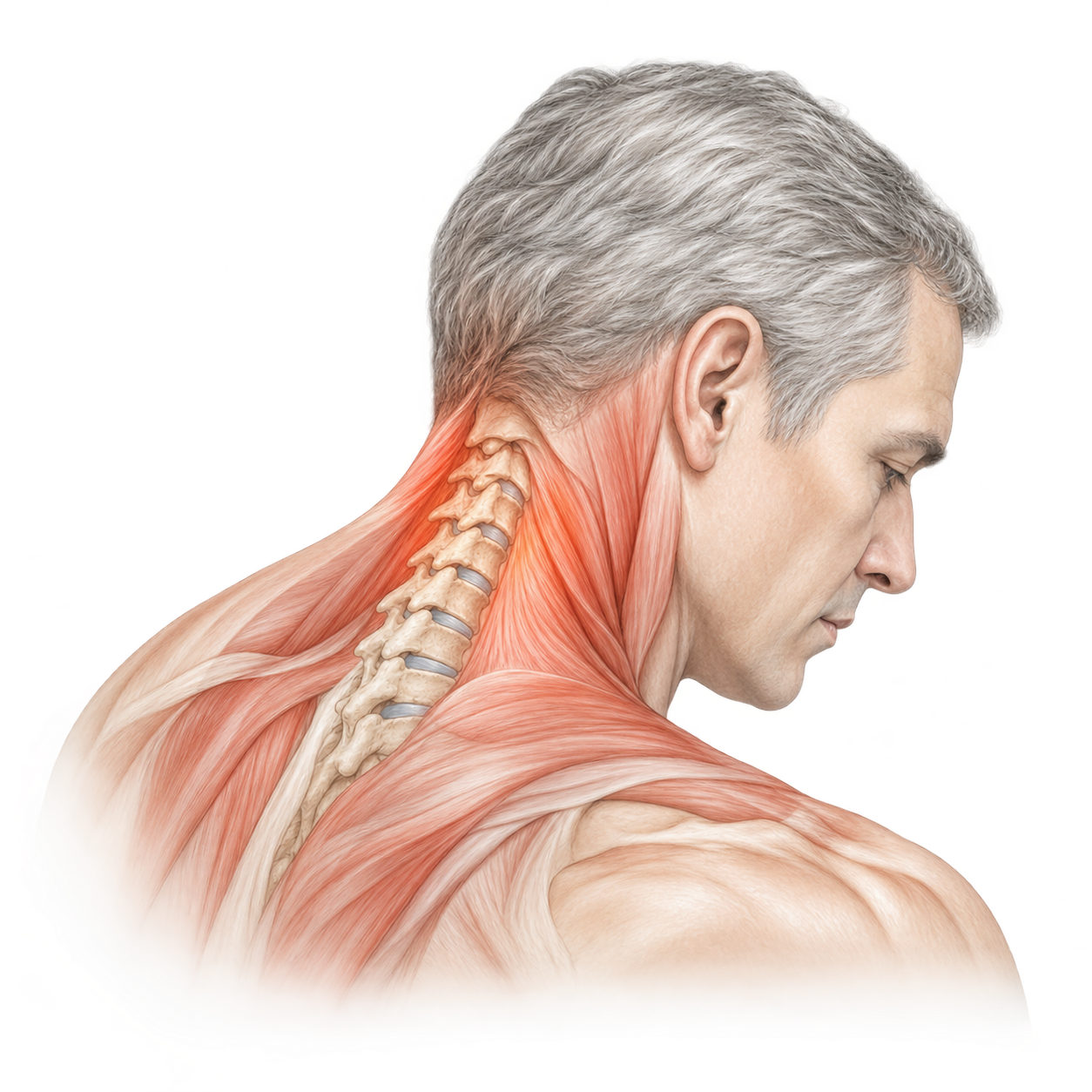
Sports Injuries & Whiplash
Sport-related strain, trauma and road-accident injuries.
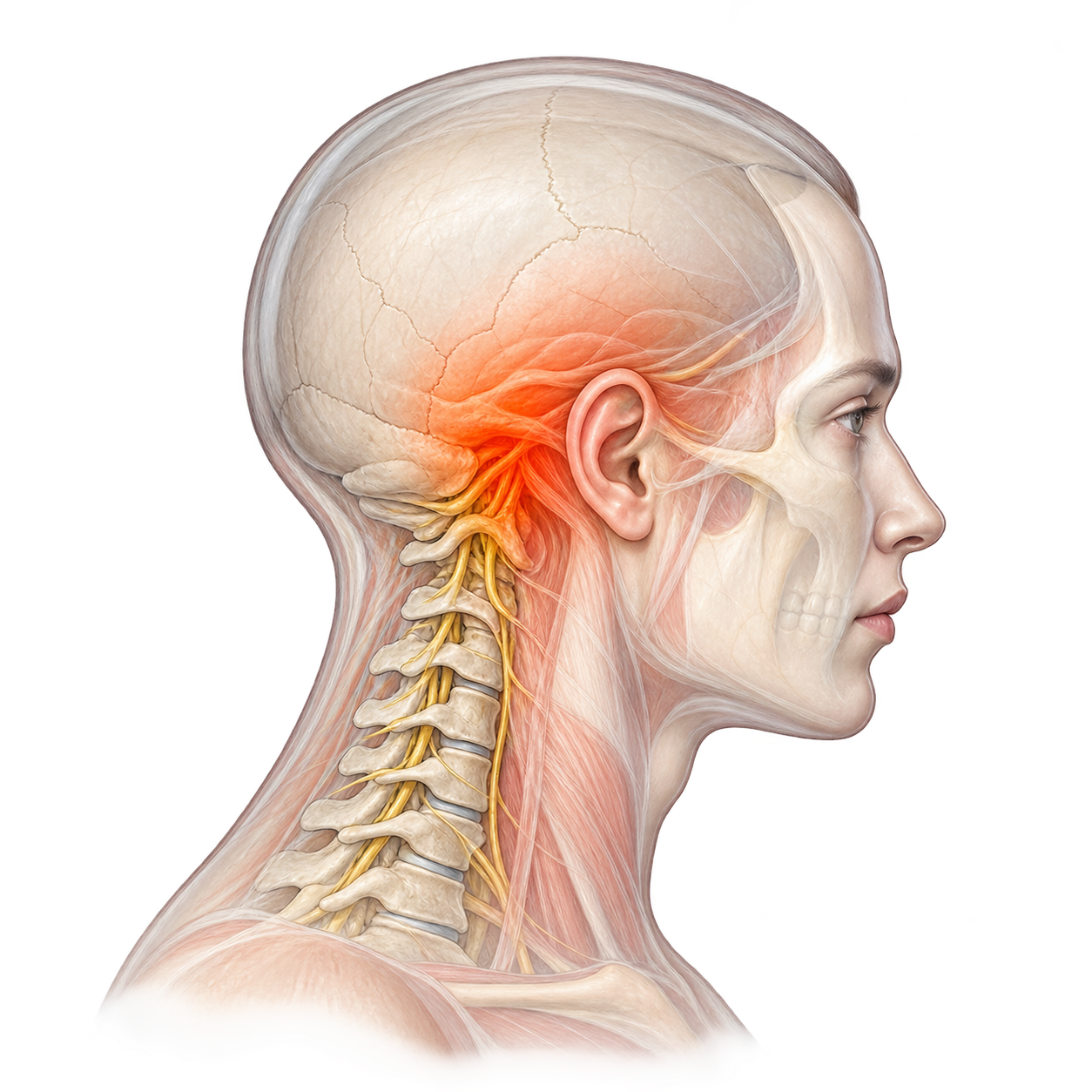
Cervicogenic Headache
Head pain that can arise from structures in the neck.
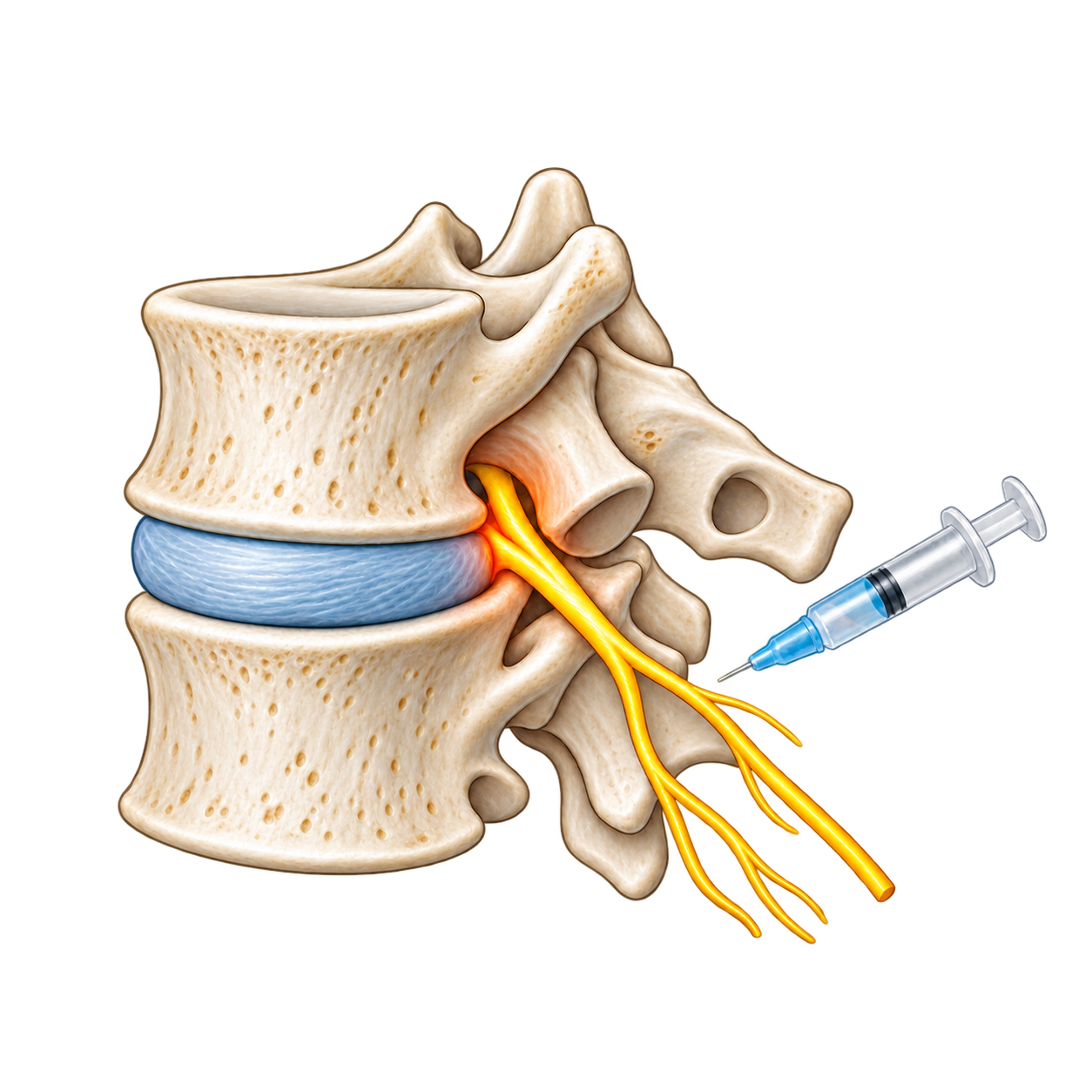
Interventional Treatments
Selected blocks, radiofrequency and specialist procedures.
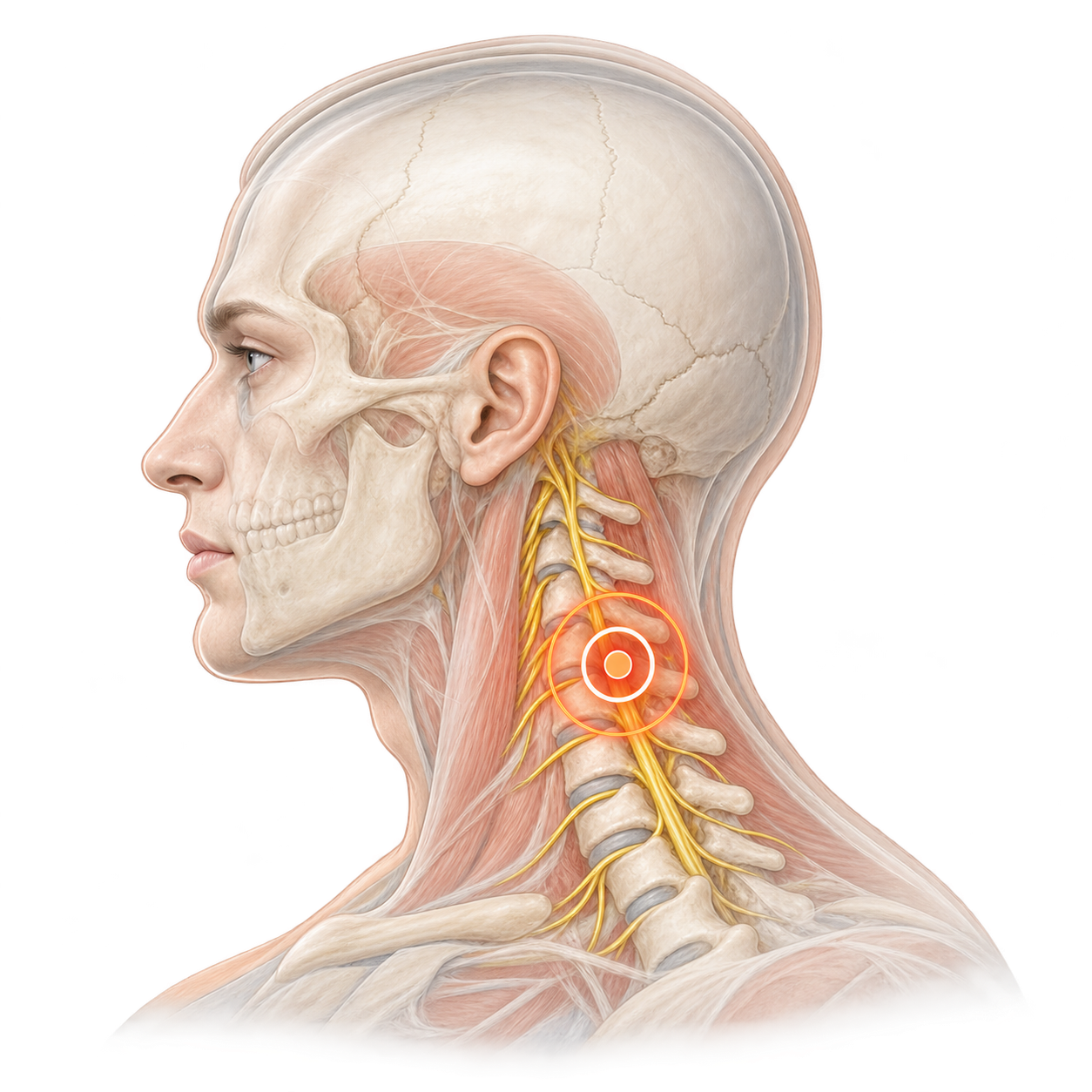
Serious Causes
Infection, cancer or inflammatory disease need assessment.
03 / ANATOMY, SIMPLIFIED
Built for movement. Sensitive by design.
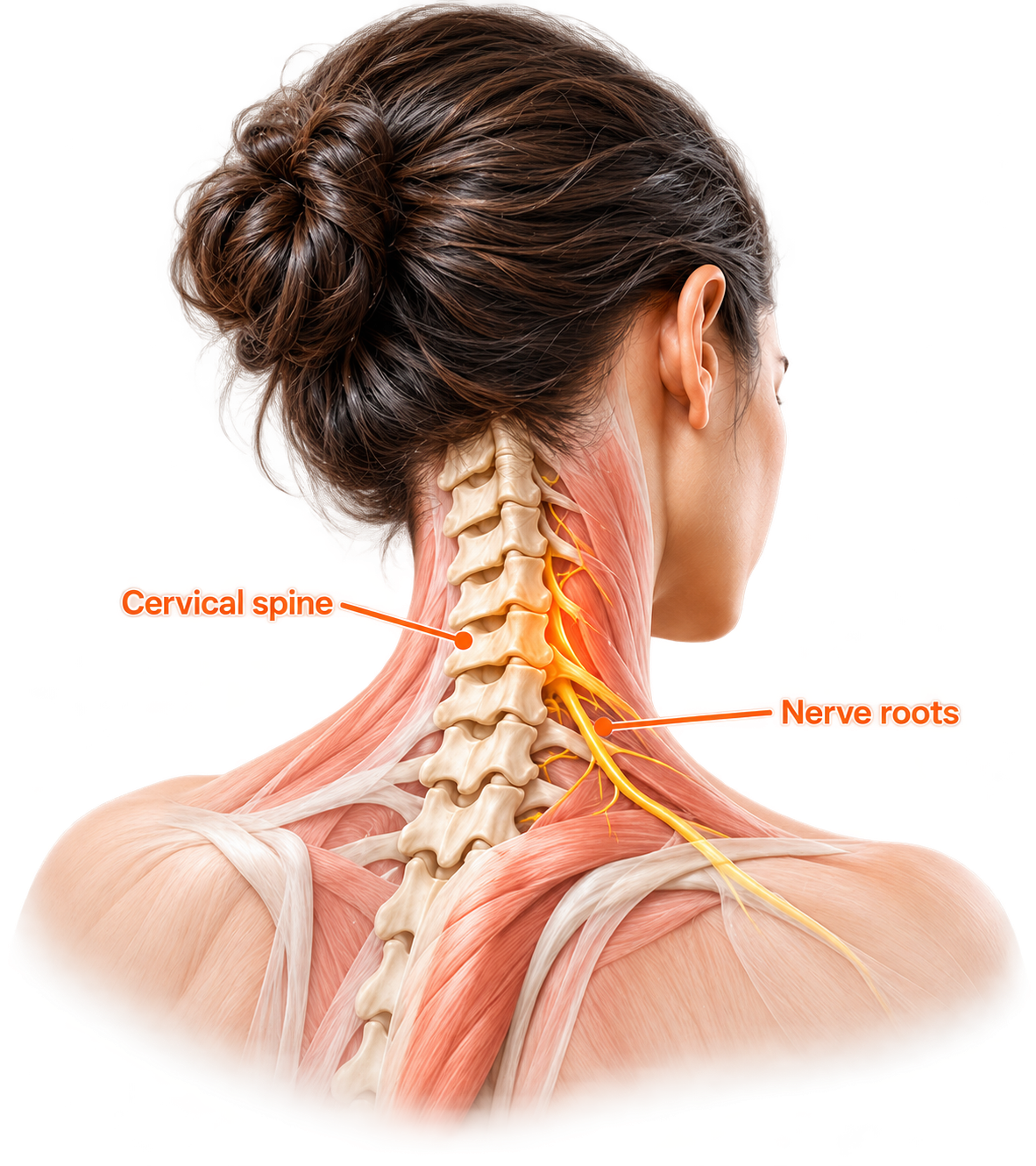
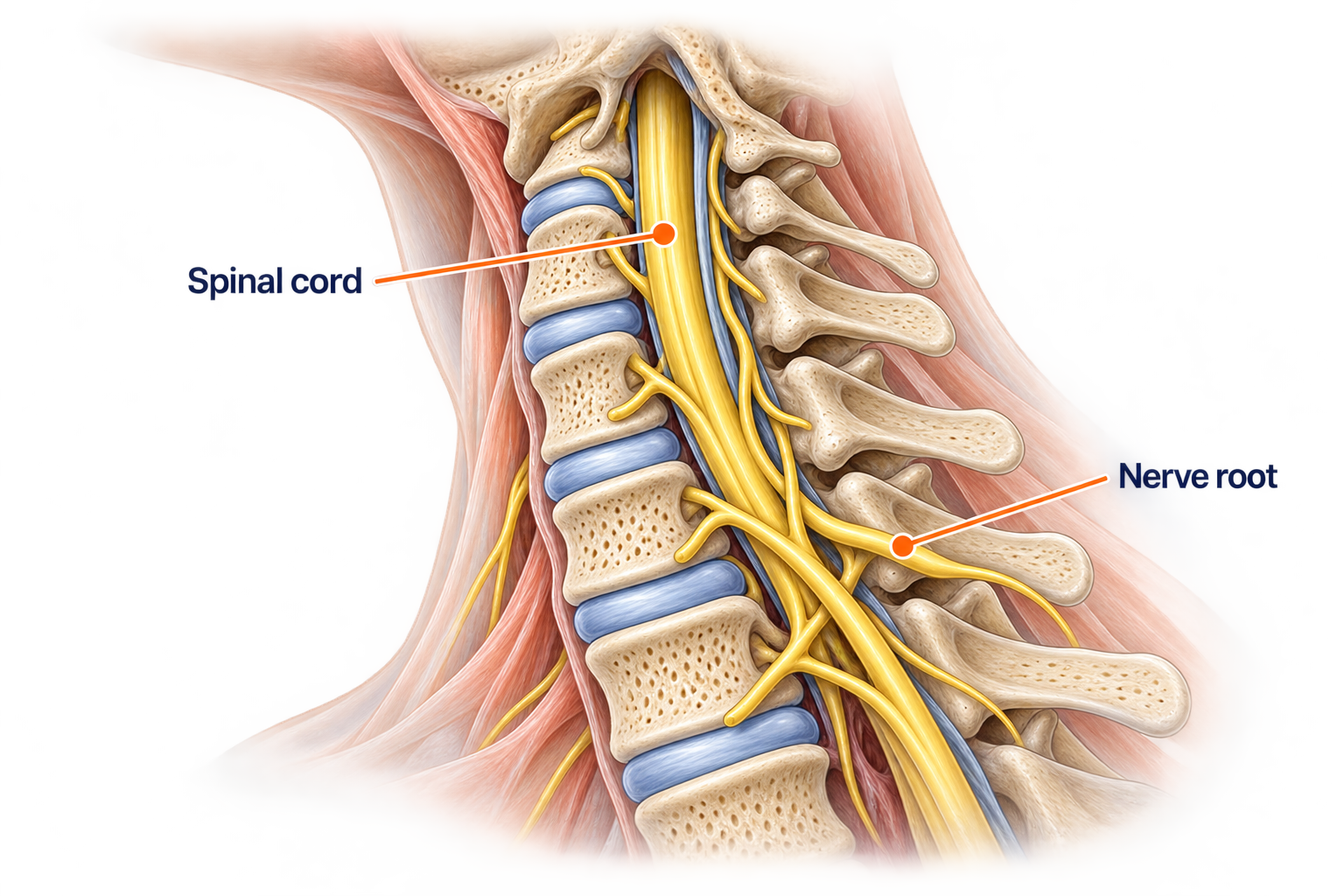
Seven vertebrae, C1–C7, form the neck’s flexible framework. Discs cushion most levels, while muscles and ligaments support movement and help carry the weight of the head.
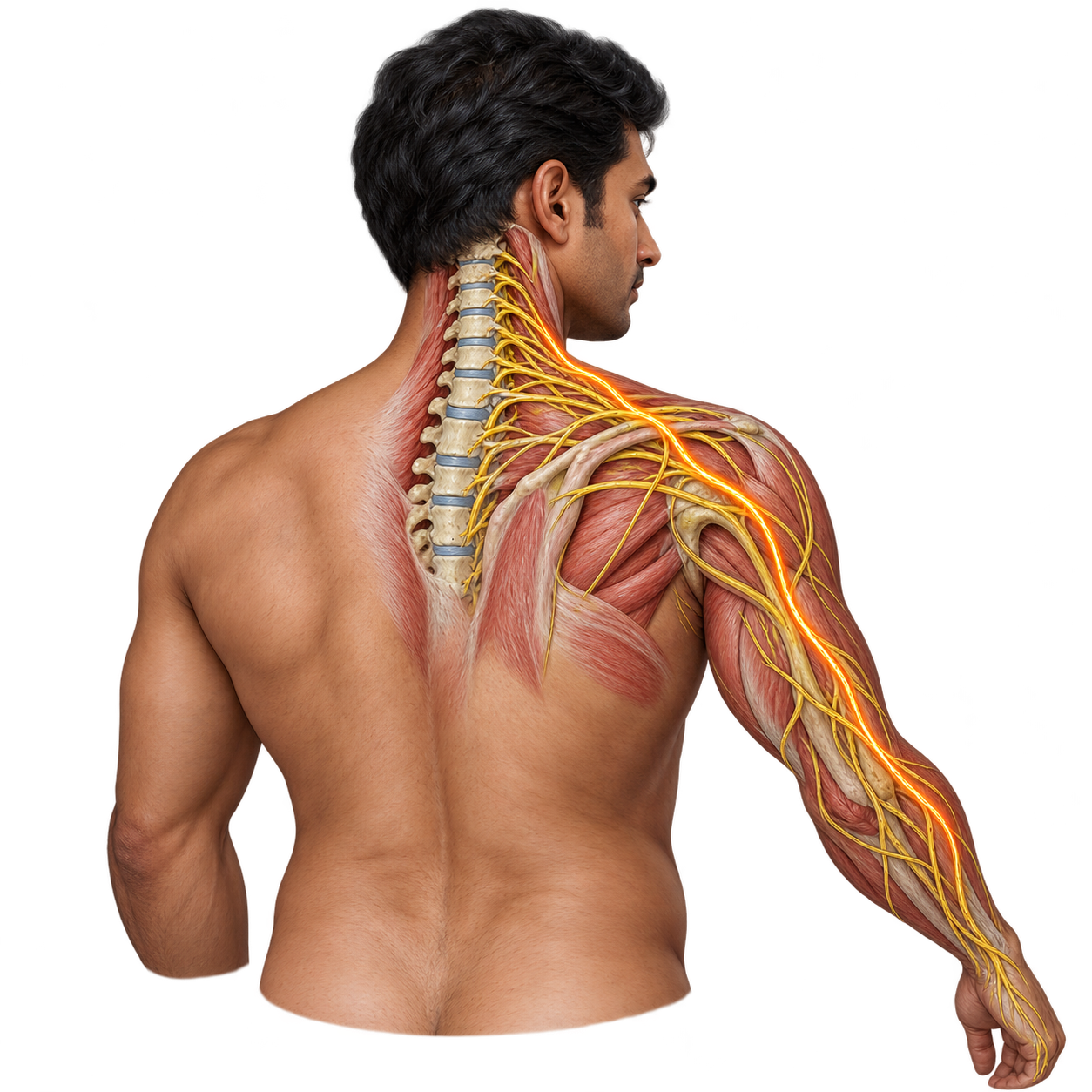
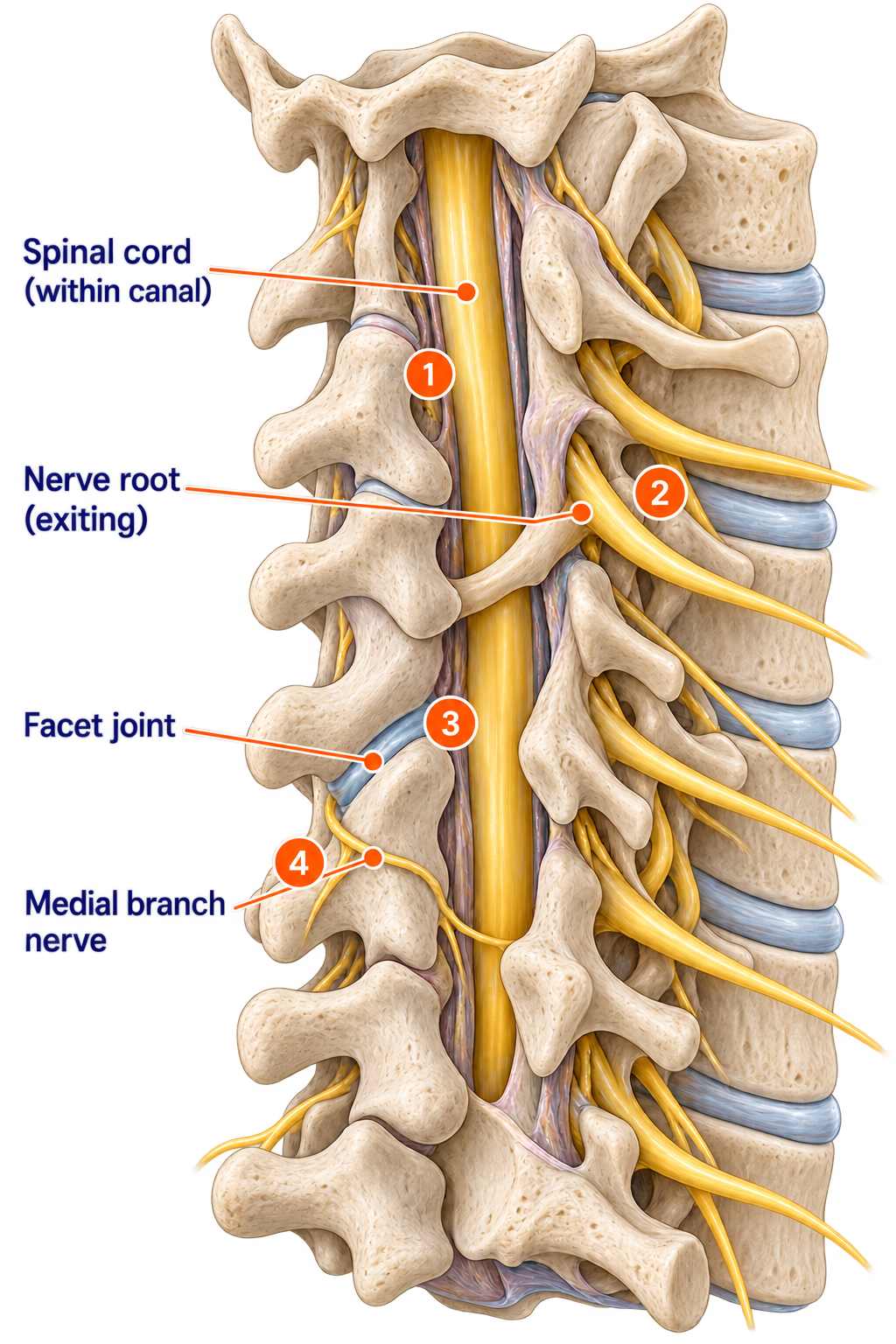
The spinal canal protects the spinal cord. Nerve roots branch out towards the shoulders, arms and hands; irritation can cause pain, tingling or weakness beyond the neck.
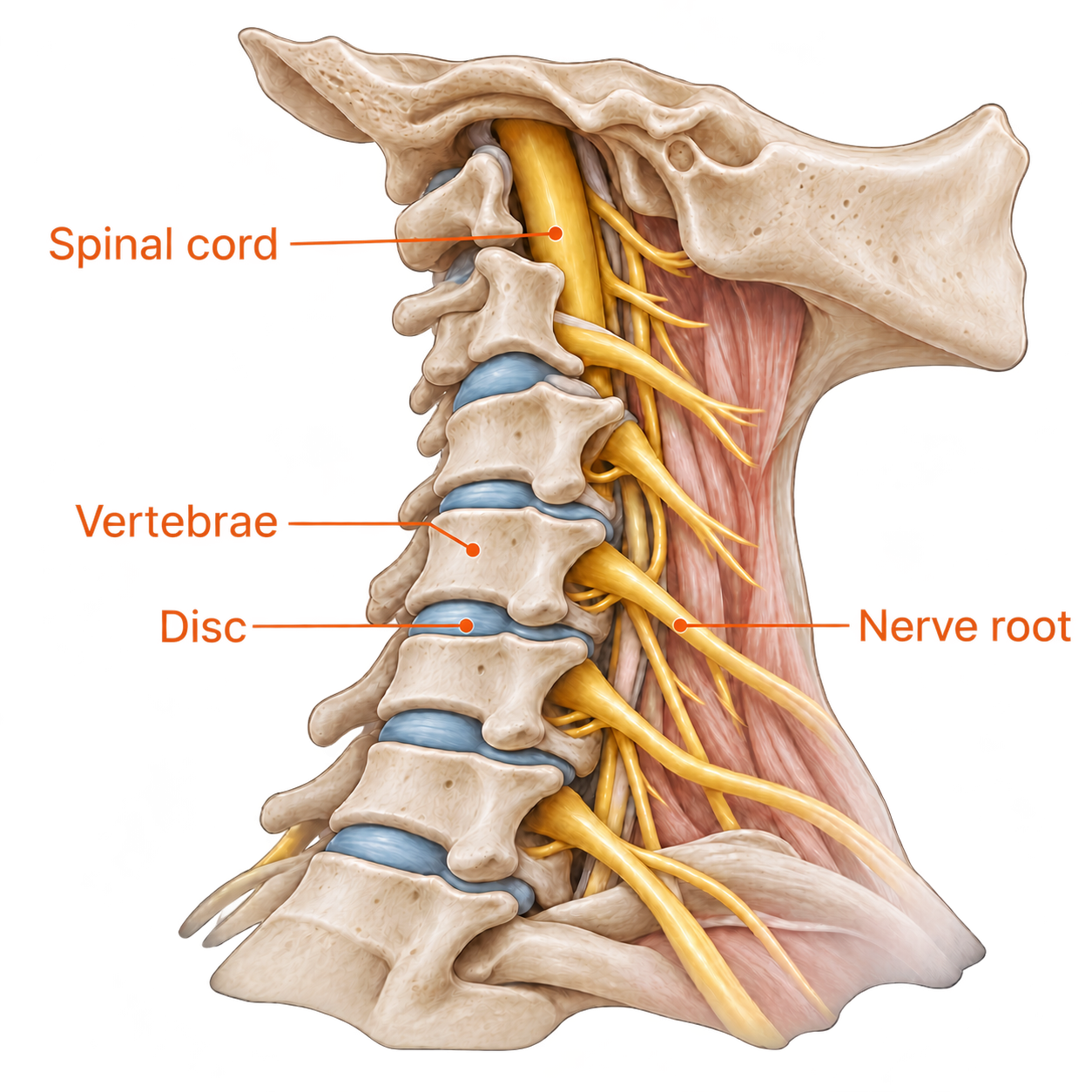
Support
Vertebrae, muscles and ligaments balance strength with mobility.
Cushioning
Discs help distribute load between most vertebral levels.
Signals
The spinal cord and nerve roots carry messages between brain and body.
NECK PAIN IN CONTEXT
What causes
neck pain?A Hyderabad perspective.
Neck pain often has several contributors. Screen-heavy work, long commutes, sleep, stress and injury can interact with changes in the neck’s joints and discs.
Local habits can shape symptoms.
They do not identify the diagnosis.
Daily habits
Work, study and screen time can strain the neck over time.
Structural changes
Discs, joints and nerves can change with age or loading.
Injury & health
Trauma, physical activity and medical conditions can contribute.
Tech neck & sustained posture
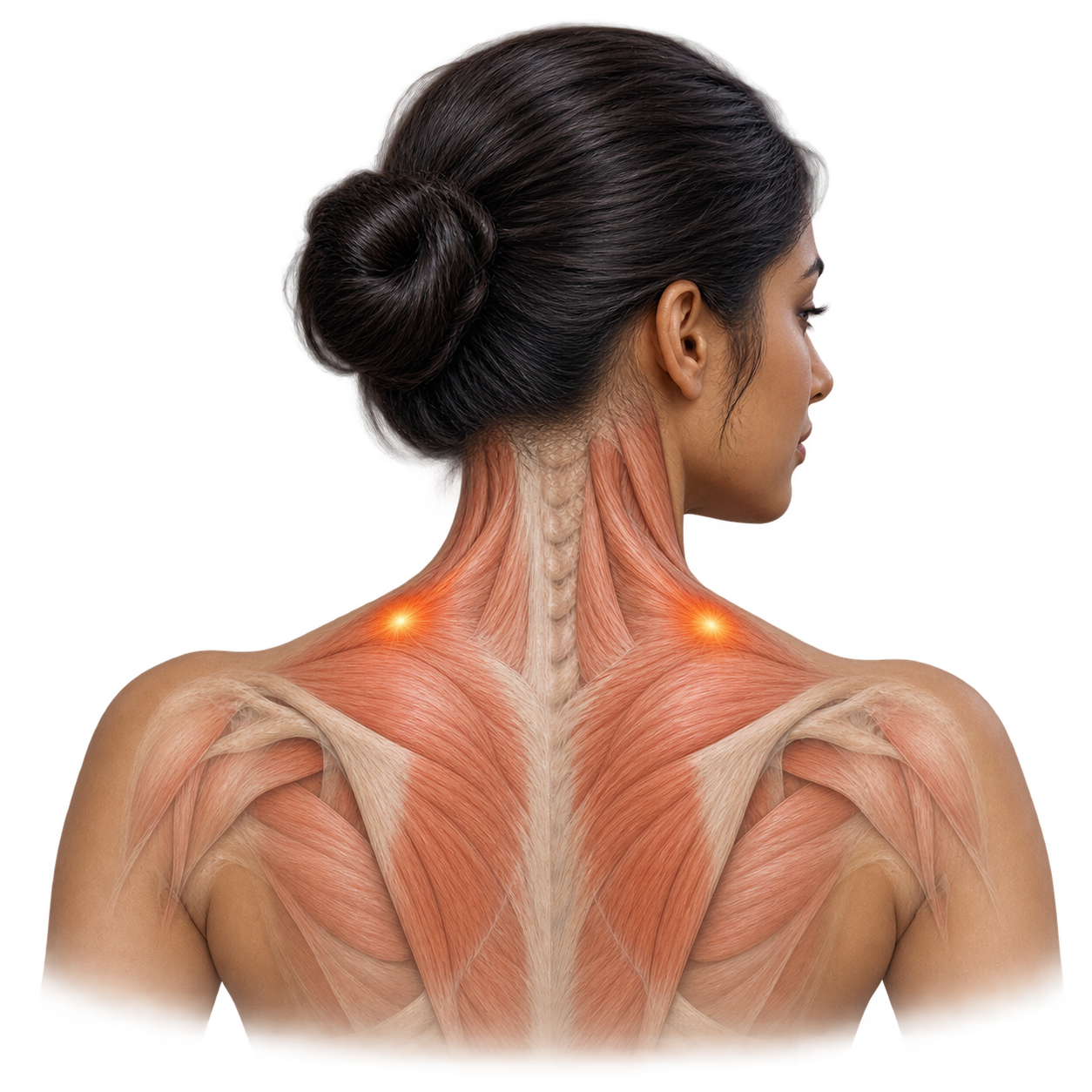
Long periods on phones or laptops can strain the neck. The time spent in one position matters; regular changes of position can help.
Cervical spondylosis
Age-related disc and joint changes may cause stiffness or pain. Changes on a scan are common and do not always explain symptoms.
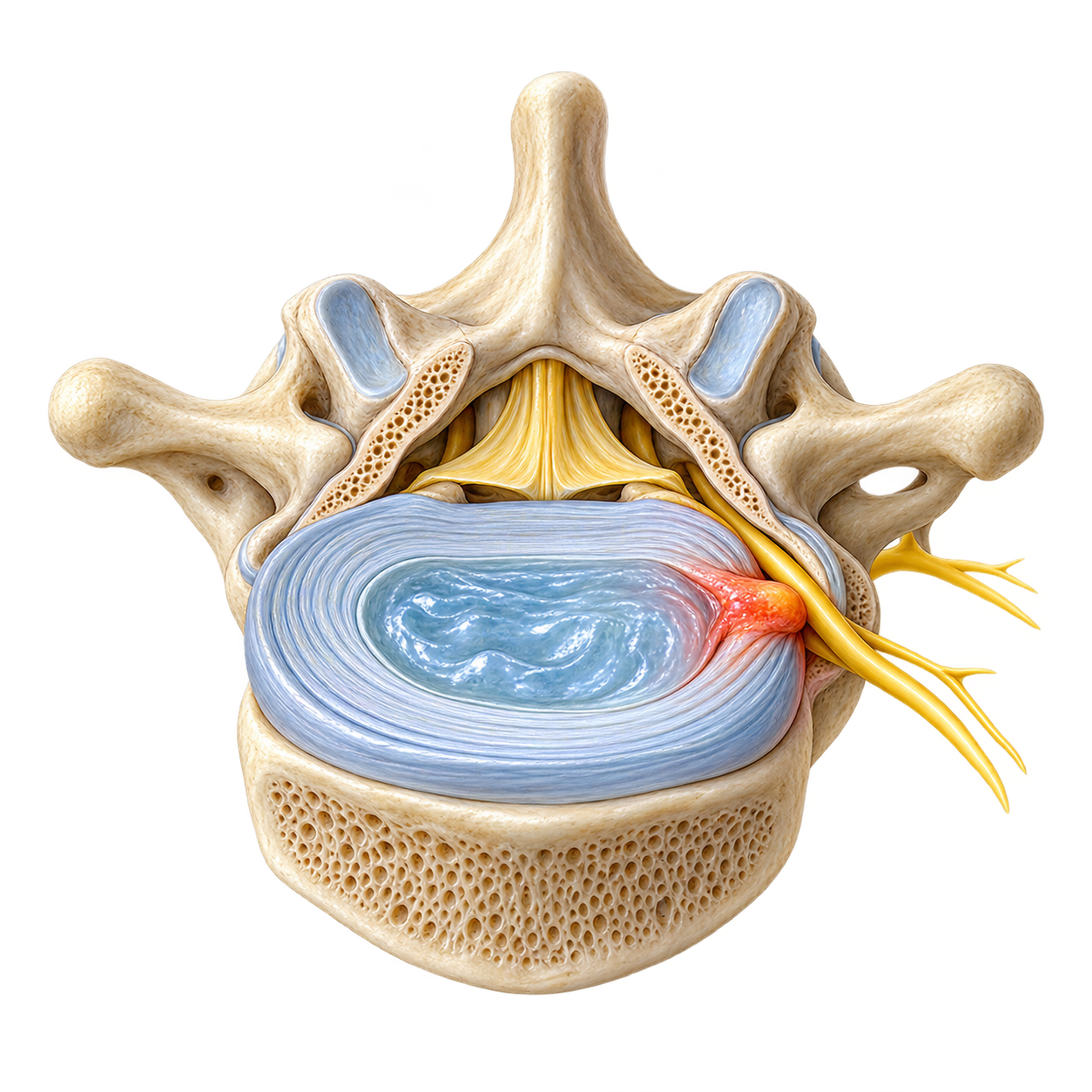
Cervical disc herniation
A bulging or herniated disc can irritate a nerve root, causing pain, tingling or weakness into an arm. Assessment checks the pattern and any signs of spinal cord involvement.
Stress & muscle tension
Stress can increase muscle tension, disturb sleep and amplify pain. These are real symptoms, with physical and emotional contributors considered together.
Whiplash & road injuries
Sudden neck movement in a collision or fall can injure soft tissues. Symptoms may be delayed; significant trauma or neurological changes need prompt assessment.
Sleep & pillow position
An awkward sleeping position or poorly suited pillow may aggravate stiffness. Persistent or worsening symptoms deserve assessment.
Sport & physical activity
Contact, sudden loading or repetitive training can strain muscles and ligaments. Technique, training load and recovery all matter.
Medical conditions
Inflammatory arthritis, infection and cancer can also cause neck symptoms. These are less common, but the clinical history and warning signs guide investigation.
WARNING SIGNS
Know when to act.
Warning signs need the right level of care.
Emergency now
Call 108 or go to the nearest emergency department.
- Sudden, severe ‘thunderclap’ headache.
- New loss of bladder or bowel control.
- Rapidly worsening arm or hand weakness or sensation.
- New weakness in both arms or legs, or unsteady walking.
- Fever with neck stiffness and light sensitivity.
- Chest pain spreading to the neck, jaw or arm, or major neck trauma with neurological symptoms.
Call 108
or go to the nearest
emergency department.
Urgent medical assessment
Seek medical advice urgently; do not wait for a routine appointment.
- Progressive pain with unexplained weight loss, night sweats or fever.
- Constant or worsening pain, especially pain disturbing sleep.
- A history of cancer with new neck pain.
Sudden or rapidly worsening symptoms need emergency care.
Patient information sources: NHSNICETelangana Emergency Contacts
RELATED CONDITIONS
When neck pain travels.Connected symptoms, different causes.
Head, arm and shoulder symptoms may come from the neck, another condition, or more than one source. Assessment looks at the whole pattern.
LOOKING BEYOND THE NECK
What else could it be?The right diagnosis changes the plan.
Similar symptoms can have different sources. These clues guide assessment; they do not confirm or exclude a diagnosis on their own.
| Condition | Possible clues | Why assessment matters |
|---|---|---|
| Myocardial infarction (Heart attack)Emergency | Chest pressure, breathlessness, sweating, or pain spreading to the jaw, neck or arm. | Emergency care is needed; neck movement cannot safely rule it out. |
| Carpal tunnel syndrome | Tingling in the thumb, index and middle fingers, often worse at night. | Wrist nerve irritation can overlap with symptoms from the neck. |
| Complex regional pain syndrome | Persistent limb pain with sensitivity, swelling, or changes in skin colour or temperature. | Needs a specific assessment and care plan, often after injury or surgery. |
| Tennis elbow (lateral epicondylitis) | Outer-elbow pain aggravated by gripping or wrist movement. | Local tendon pain can resemble or coexist with nerve-related symptoms. |
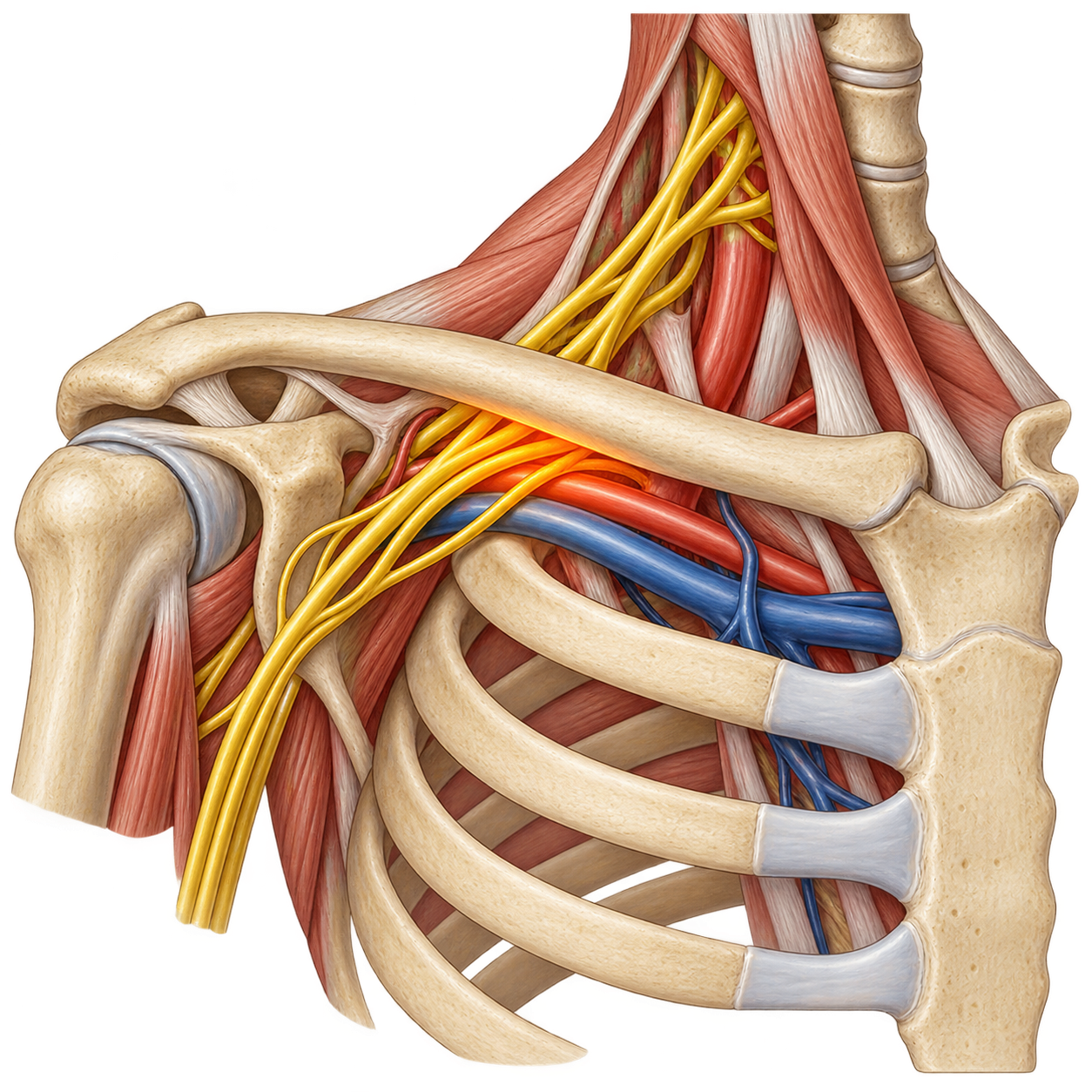
| Thoracic outlet syndrome | Arm tingling, heaviness, swelling or colour change, sometimes linked to overhead positions. | Nerve and blood-vessel causes need different assessment. |
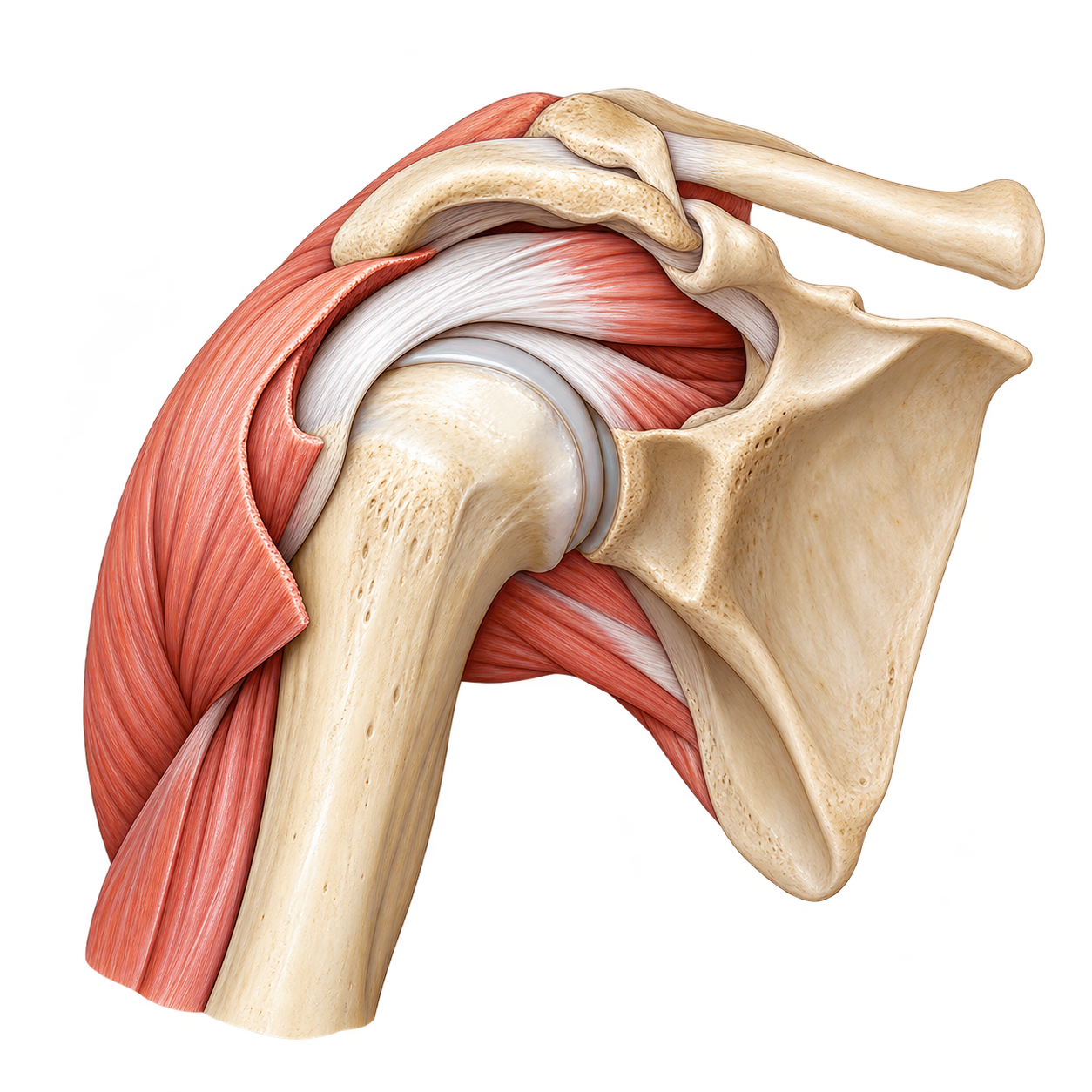
| Shoulder conditions (frozen shoulder / rotator cuff) | Pain or restriction with shoulder movement. | Shoulder and cervical problems can coexist; examination guides selective tests. |
| Cervical artery dissectionEmergency | New unusual neck/head pain with stroke-like symptoms such as weakness, visual or speech changes. | Emergency assessment is needed; this can cause stroke. |
| Polymyalgia rheumatica / inflammatory arthritis | Prolonged morning stiffness around both shoulders or hips. | Needs medical assessment; new headache, jaw pain when chewing or visual changes require urgent attention. |
Emergency symptoms?
Call 108 or go to the nearest emergency department.
Patient information: NHSICHD-3American Stroke Association
THE IBAP WAY
Diagnosis begins with understanding you.
Your story and a careful examination come first. Scans and other tests are selected when they can answer a specific clinical question.
Not everyone needs every test.
CHAPTER A
Listen & examine.
A detailed history and clinical examination help us understand your symptoms and guide what, if any, further tests are needed.

Detailed Clinical History
How pain began, where it travels, what changes it, and its effect on work, sleep and daily life. Injury, medical history and warning signs also matter.

Neurological & Physical Examination
Movement, strength, sensation, reflexes and coordination are assessed. Targeted neck and shoulder tests help interpret the pattern.
CHAPTER B
Investigate with purpose.
Scans and other tests are ordered when they can answer a specific clinical question.
Not everyone needs every test.
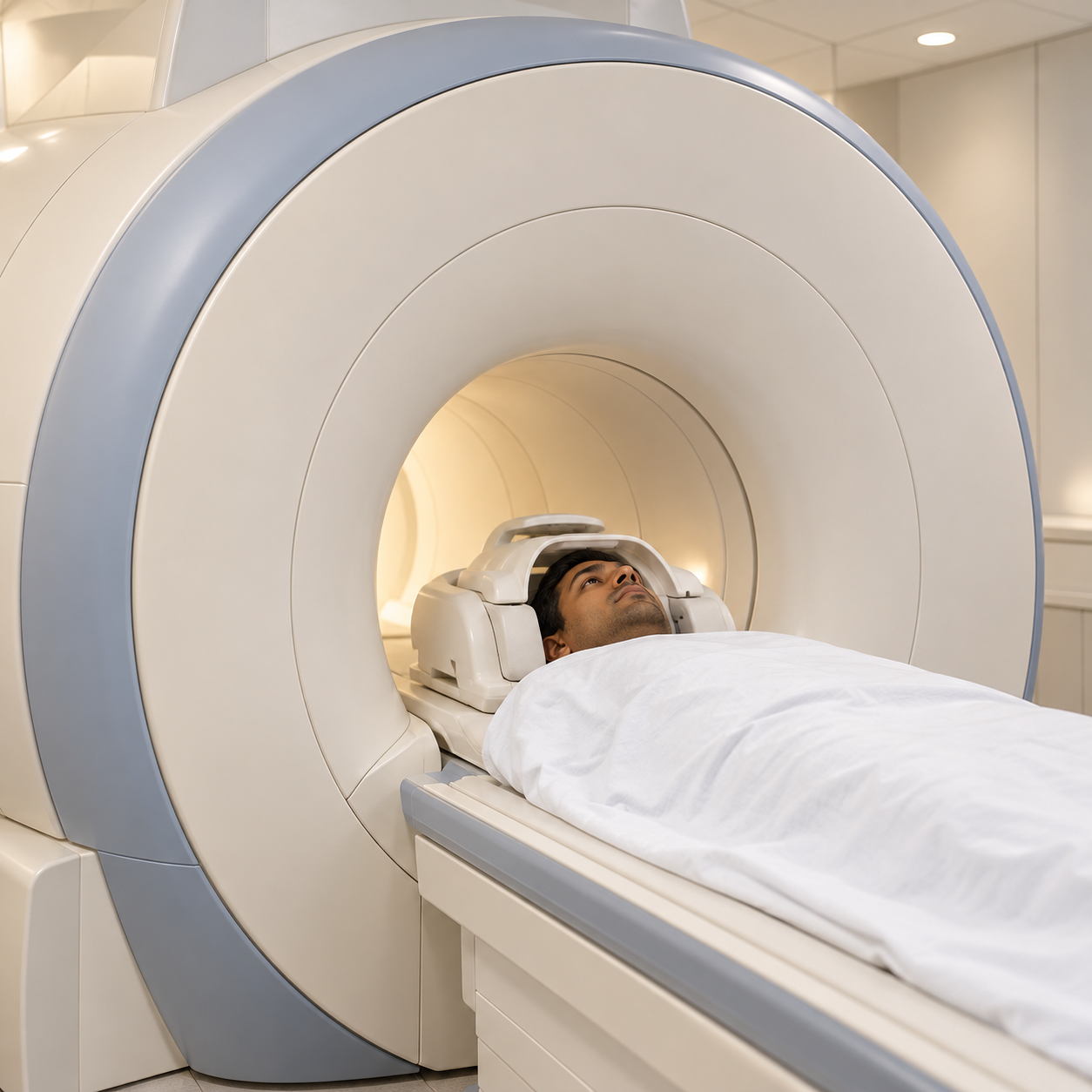
MRI Cervical Spine
Selected to assess suspected nerve-root or spinal-cord involvement, or to clarify persistent symptoms. Shows discs, nerves, the cord and other soft tissues.
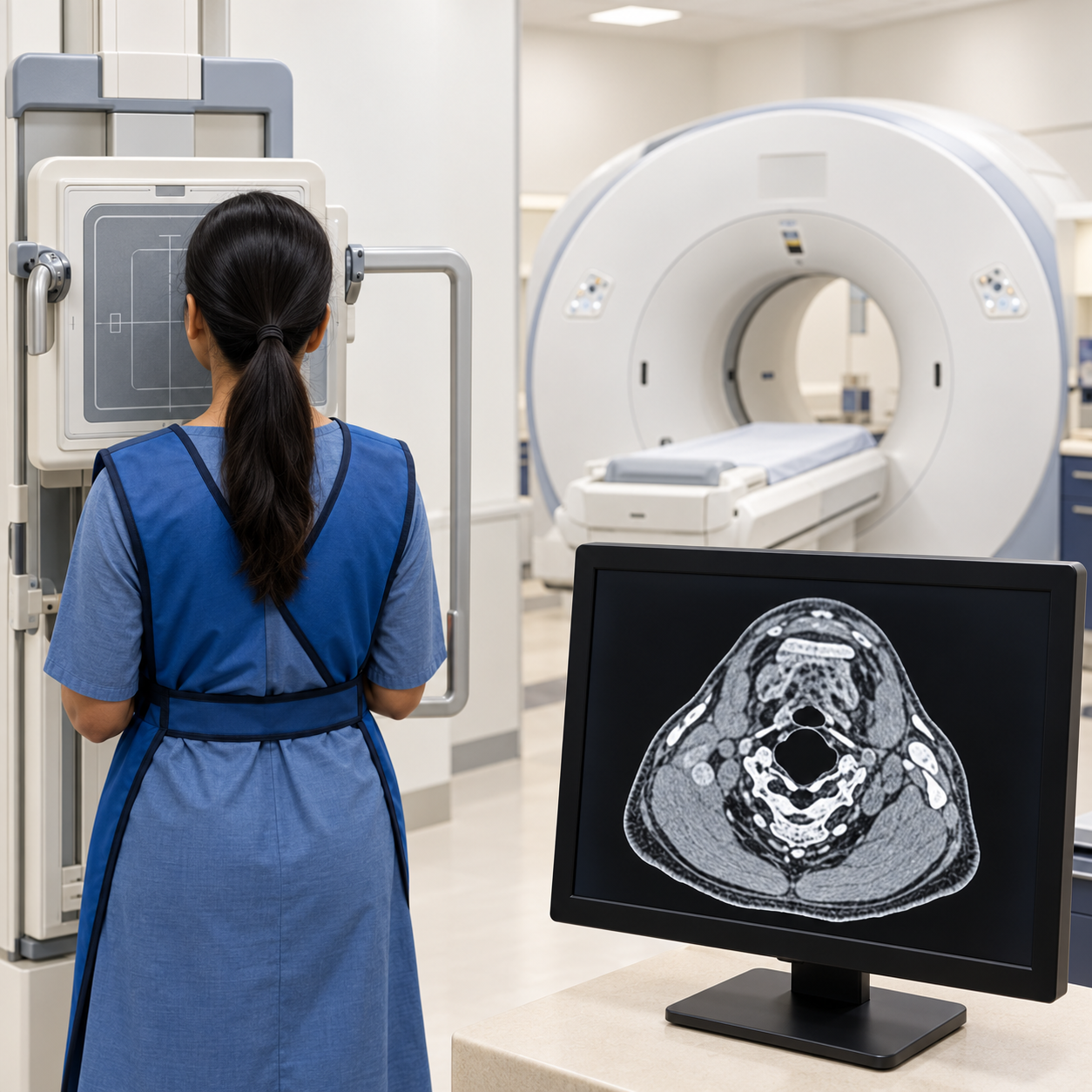
X-Ray & CT Scan
X-rays can assess alignment and degenerative change. CT provides detailed bone images when trauma or another specific question makes it appropriate.
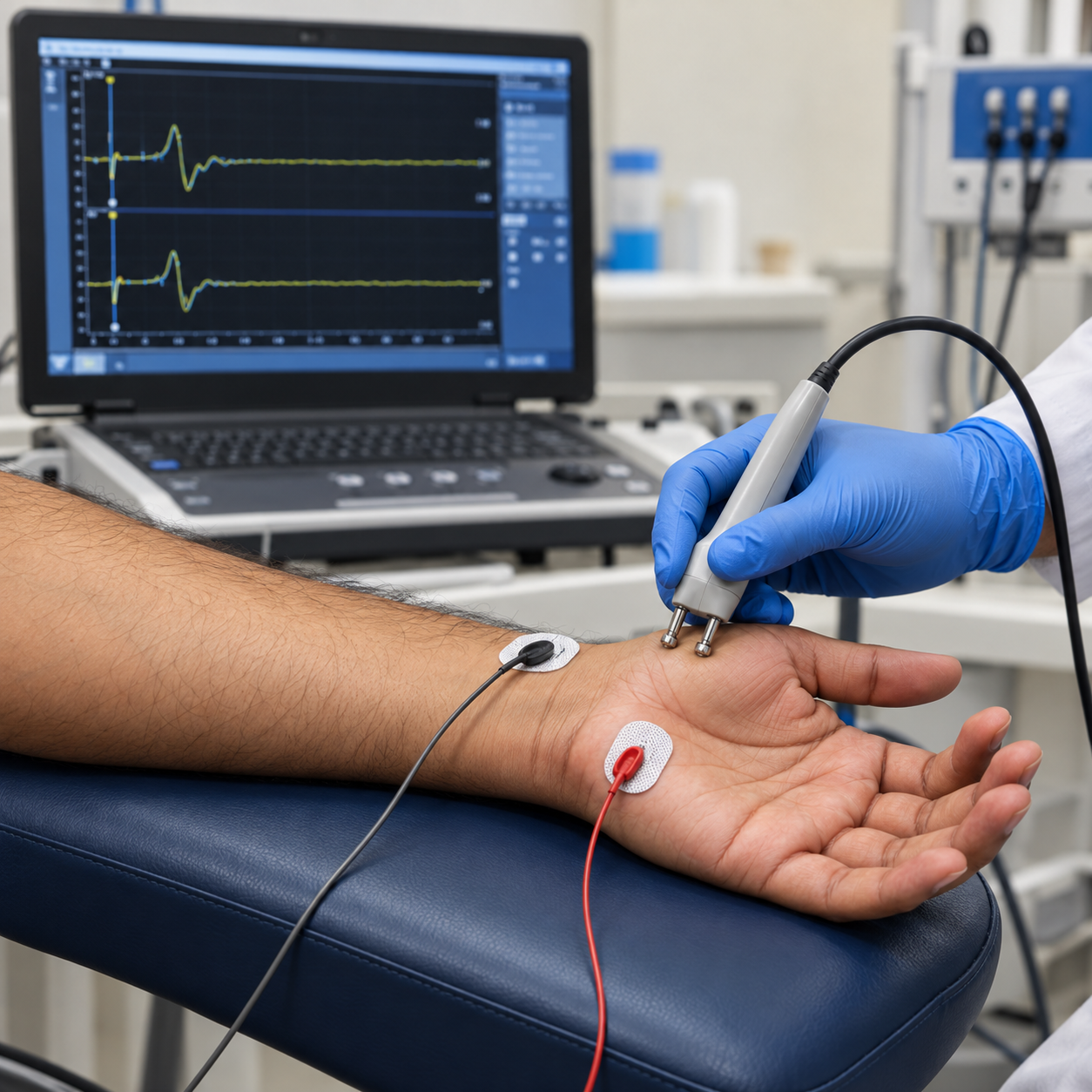
Nerve Conduction Studies / EMG
May distinguish a neck nerve-root problem from peripheral nerve entrapment when the diagnosis is unclear. Results are considered with the examination.

Blood Tests
Ordered selectively for suspected inflammatory, infectious or metabolic causes. The clinical question determines which tests are needed.
CHAPTER C
Clarify a suspected pain source.
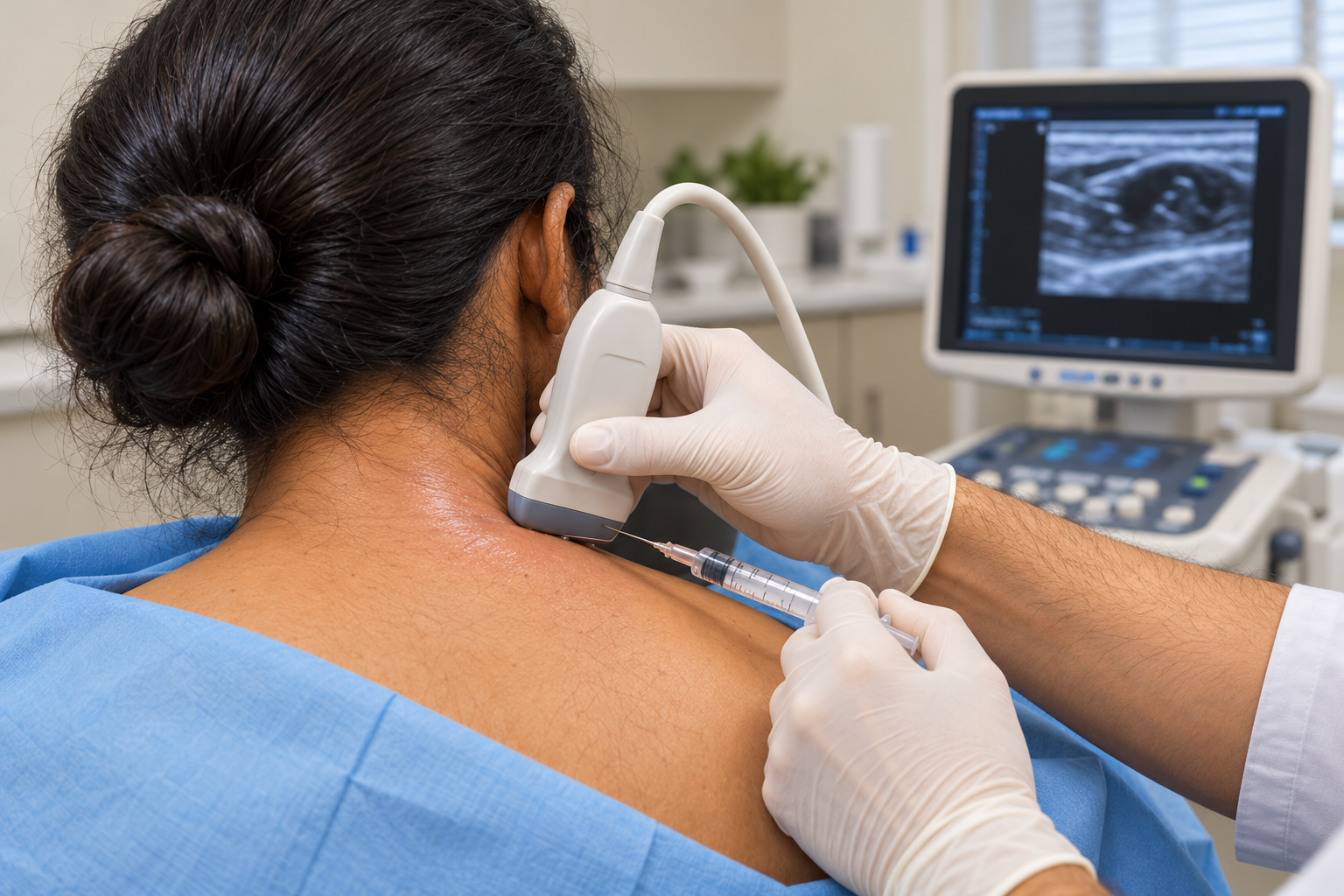
Diagnostic Spinal Analgesia
Selected image-guided diagnostic blocks may help assess a suspected pain source. They have limitations and risks; results are interpreted in context.
TREATMENT OF NECK PAIN
Build the foundations for recovery.
Care usually starts with movement, practical daily changes and an individual plan.
Treatment is guided by your symptoms, examination and goals.




Physiotherapy & exercise
A tailored programme may combine neck and shoulder exercises, gradual strengthening and selected hands-on treatment. Build activity at a pace suited to your symptoms and function.

Ergonomic correction
Adjust your screen, chair and keyboard for comfortable use. Change position regularly and take movement breaks; there is no single perfect posture.

Medicines, when appropriate
Pain relief may help you stay active. A clinician or pharmacist can advise what is suitable for your health and other medicines. Benefits, side effects and review matter.

Pillow & sleep position
Choose a pillow and position that keep your neck comfortable and supported. Avoid prolonged awkward twisting; no single pillow suits everyone.

Stress management & psychological support
Stress, sleep and pain can influence one another. Relaxation and psychological support can help coping and daily function alongside physical care.
INTERVENTIONAL TREATMENTS
Targeted procedures. Carefully selected.
When symptoms persist despite appropriate care, selected image-guided procedures may be discussed.
The suspected pain source, expected benefit, alternatives and risks guide the decision.
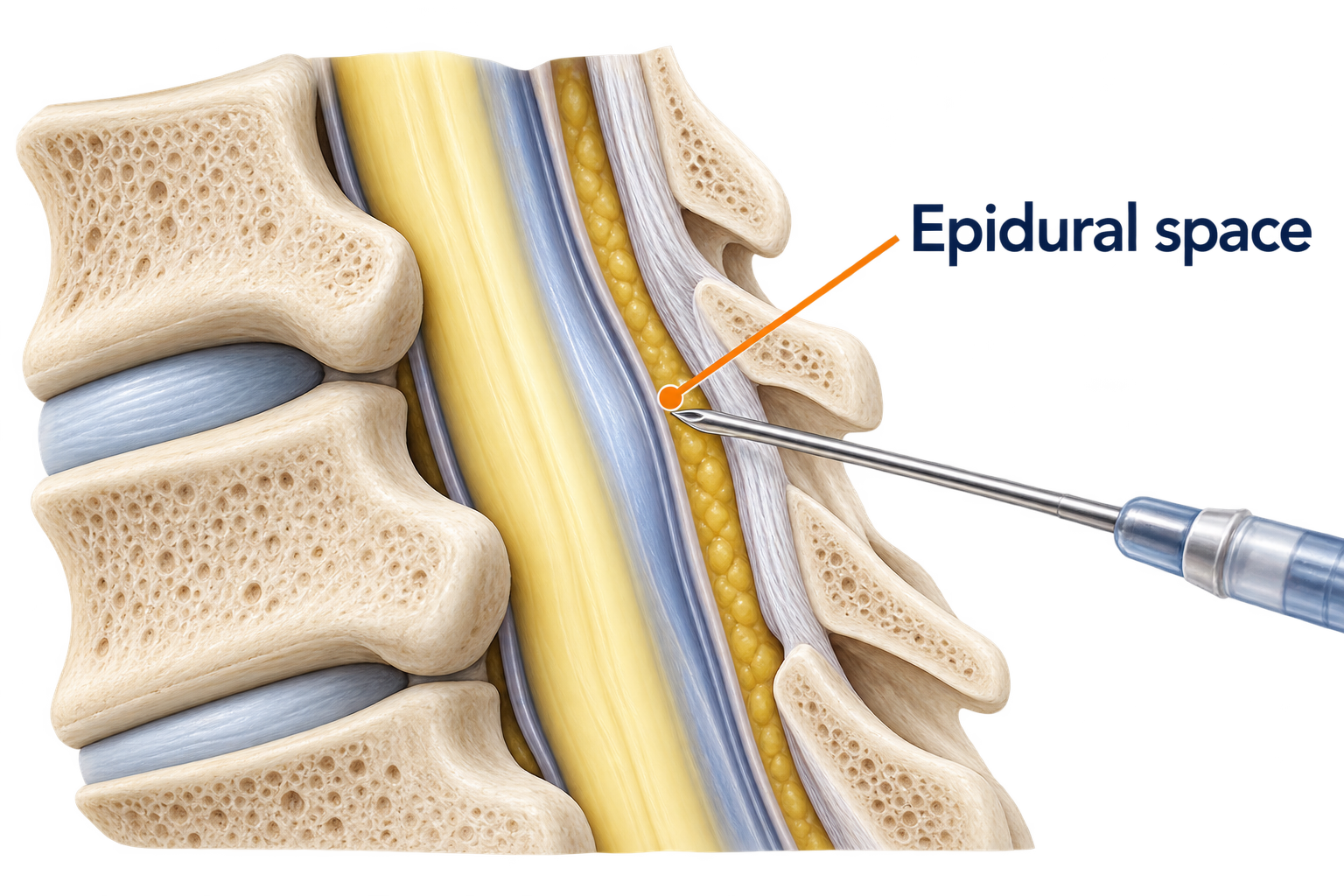
Cervical epidural steroid injection
May provide short-term relief for selected nerve-related arm pain. It does not repair a disc. Cervical injections carry uncommon but potentially serious neurological risks.
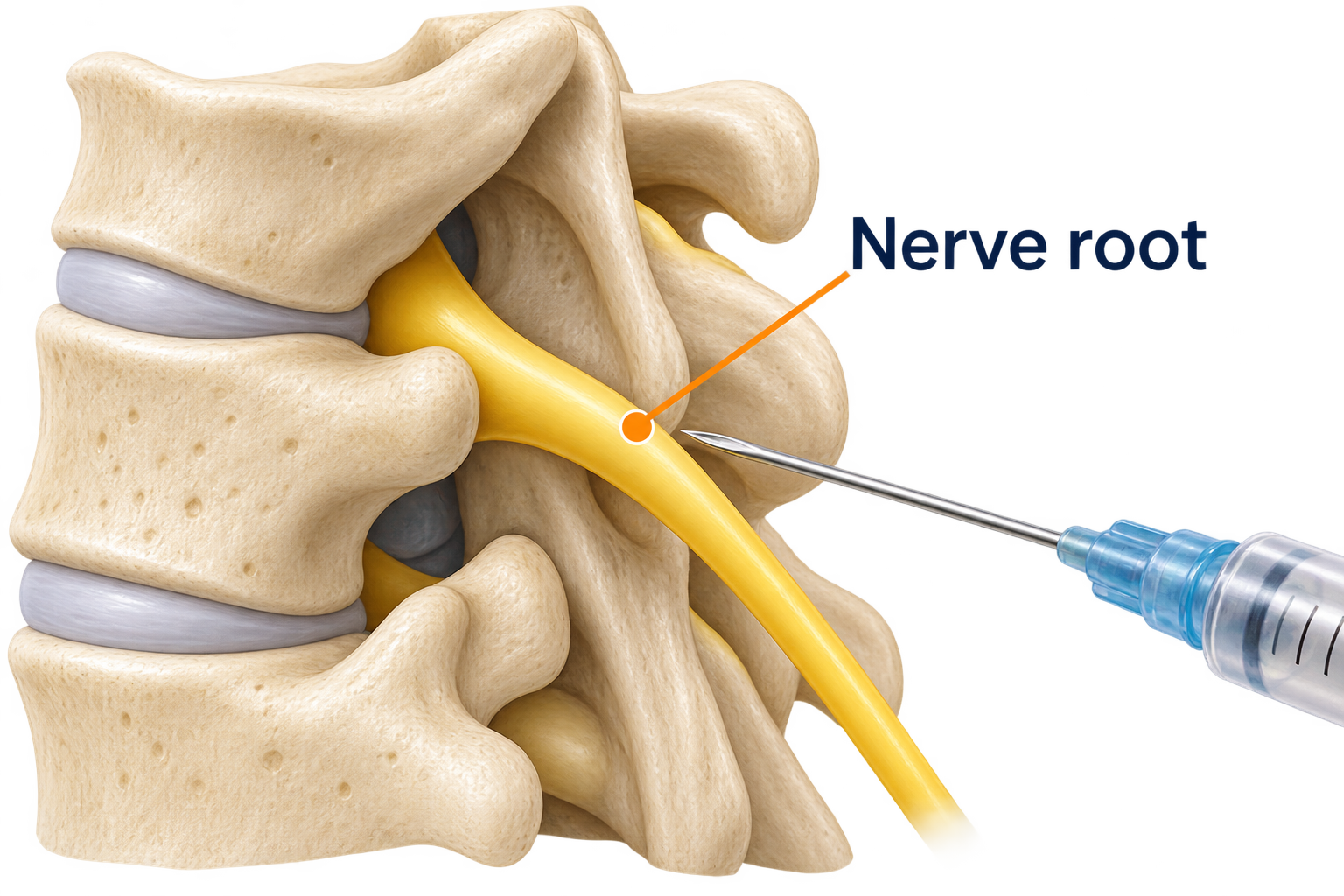
Selective nerve root block
Local anaesthetic, sometimes with steroid, is placed near a selected nerve root. It may help assess or treat nerve-related pain; the response is not definitive proof of its source.
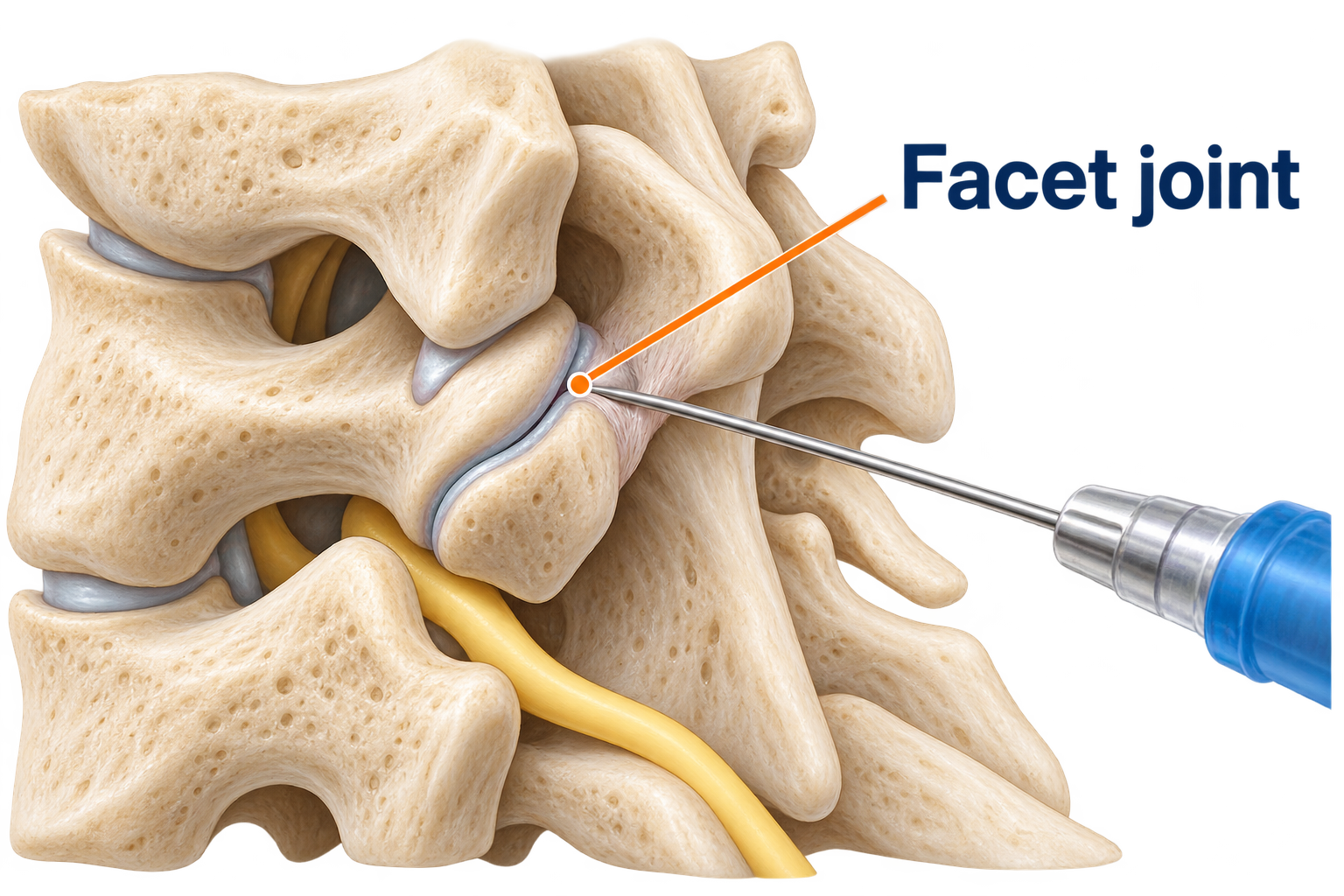
Cervical facet joint injections
May be considered in selected cases of pain arising from the small joints at the back of the neck. Benefits can be temporary; these injections are not routine for every patient.
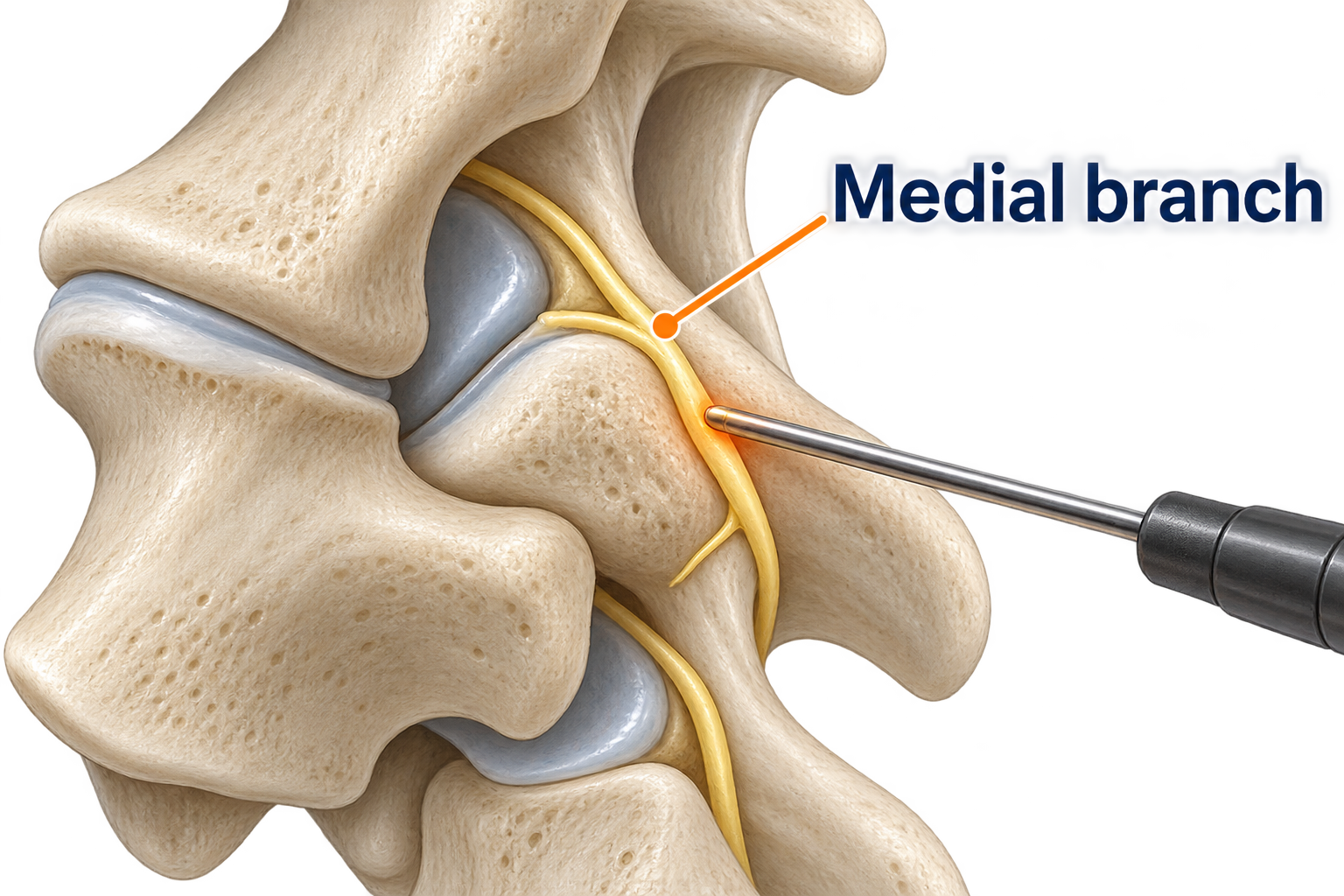
Medial branch radiofrequency ablation
Targets small nerves supplying painful facet joints. It may help carefully selected patients, often after prognostic blocks. Relief varies and is not guaranteed.
Choose the treatment that fits the person.
Image guidance supports accurate placement. It does not remove all risk. We discuss likely benefit, limitations and alternatives before any procedure.
Patient information: NHSAANCervical facet consensusFDA
INTRADISCAL PROCEDURES
Within the disc. A specialist decision.
Procedures directed at a disc require careful diagnosis and selection. They are not routine treatments for general neck pain; cervical-specific evidence and risks matter.
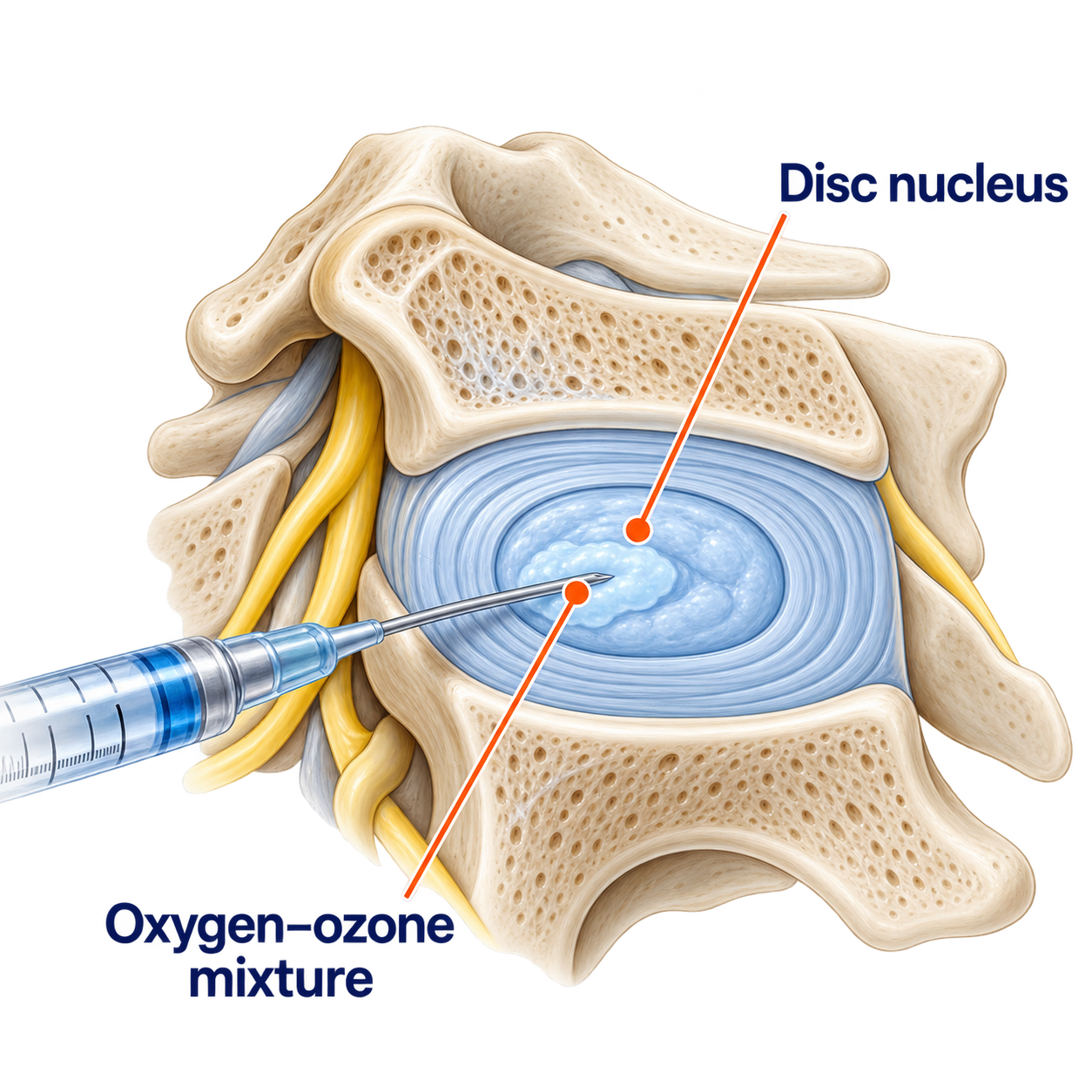
Ozone Disc Nucleolysis
An oxygen–ozone mixture is introduced into a selected disc, aiming to change its volume and pain-related chemistry. Cervical evidence is limited; benefits and risks need specialist discussion.
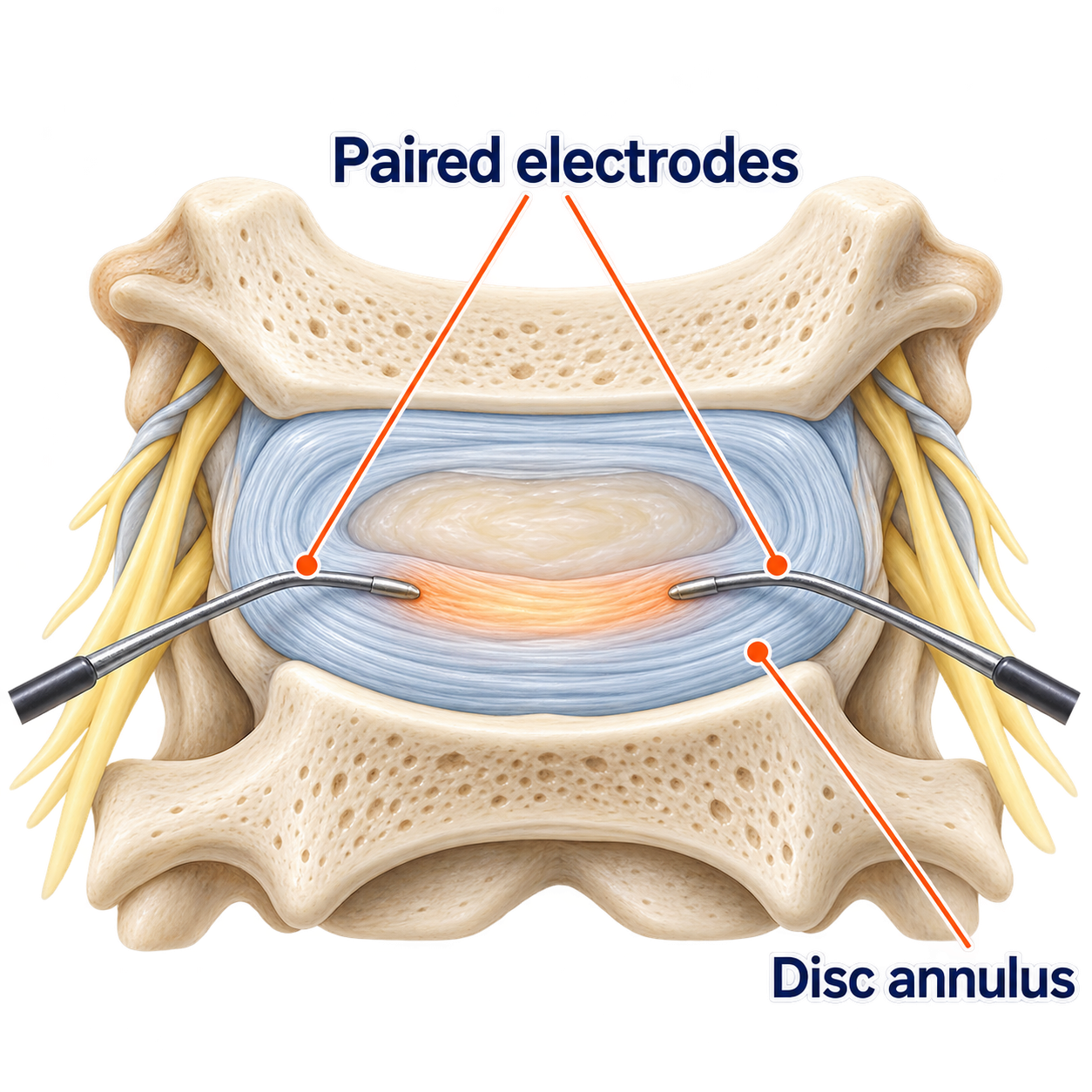
Biacuplasty
Paired electrodes apply radiofrequency energy to disc tissue. Most research concerns the low back; those findings should not be assumed to apply to the neck.
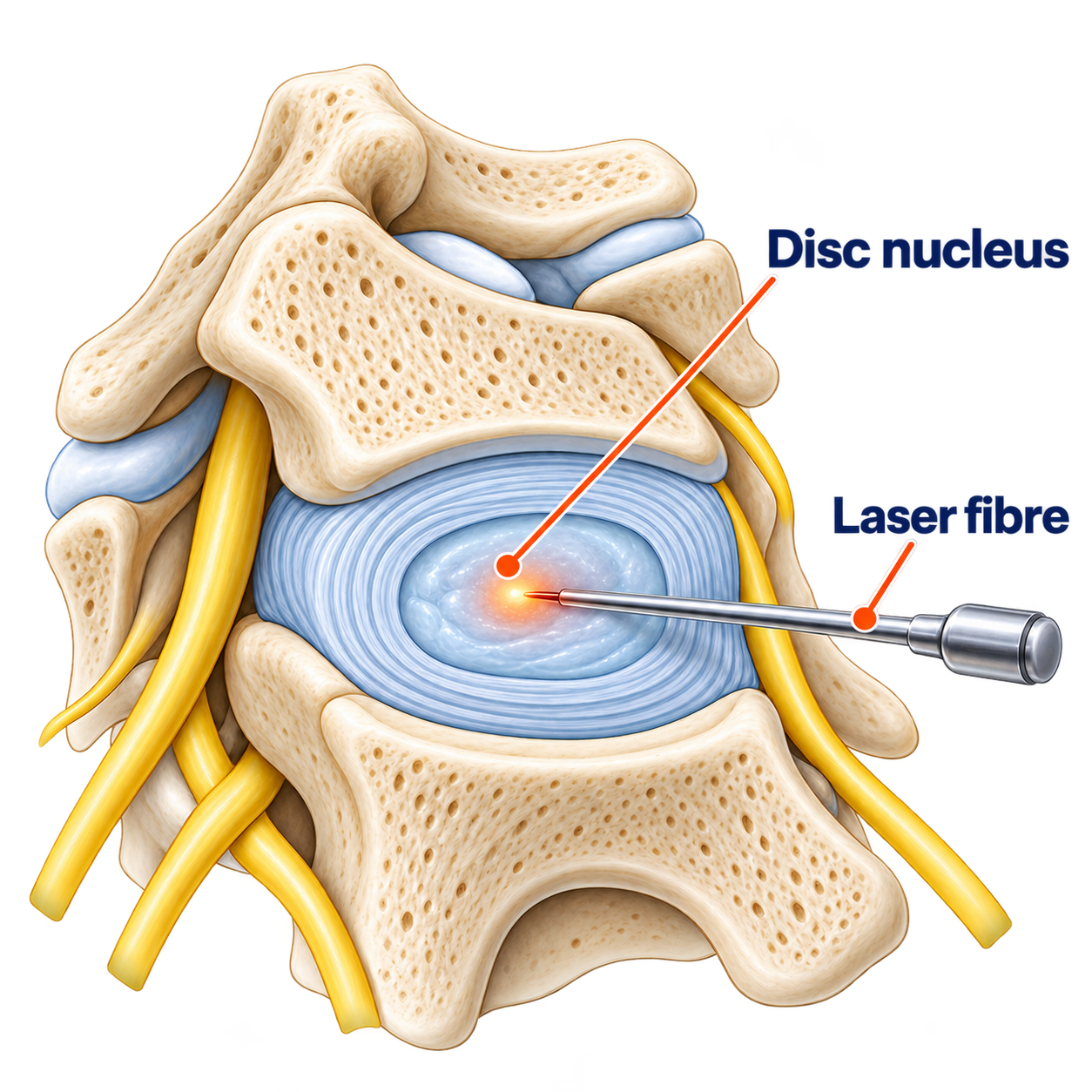
Percutaneous Laser Disc Decompression (PLDD)
A laser fibre vaporises a small amount of disc material to reduce pressure. Suitability depends on disc anatomy; evidence and risks for cervical use need careful review.
ADVANCED & REFRACTORY PAIN CARE
Further options. An individual plan.
Persistent pain calls for reassessment of its cause and the effect on daily life. Specialist procedures may be considered in selected cases, with clear discussion of evidence and ongoing care.
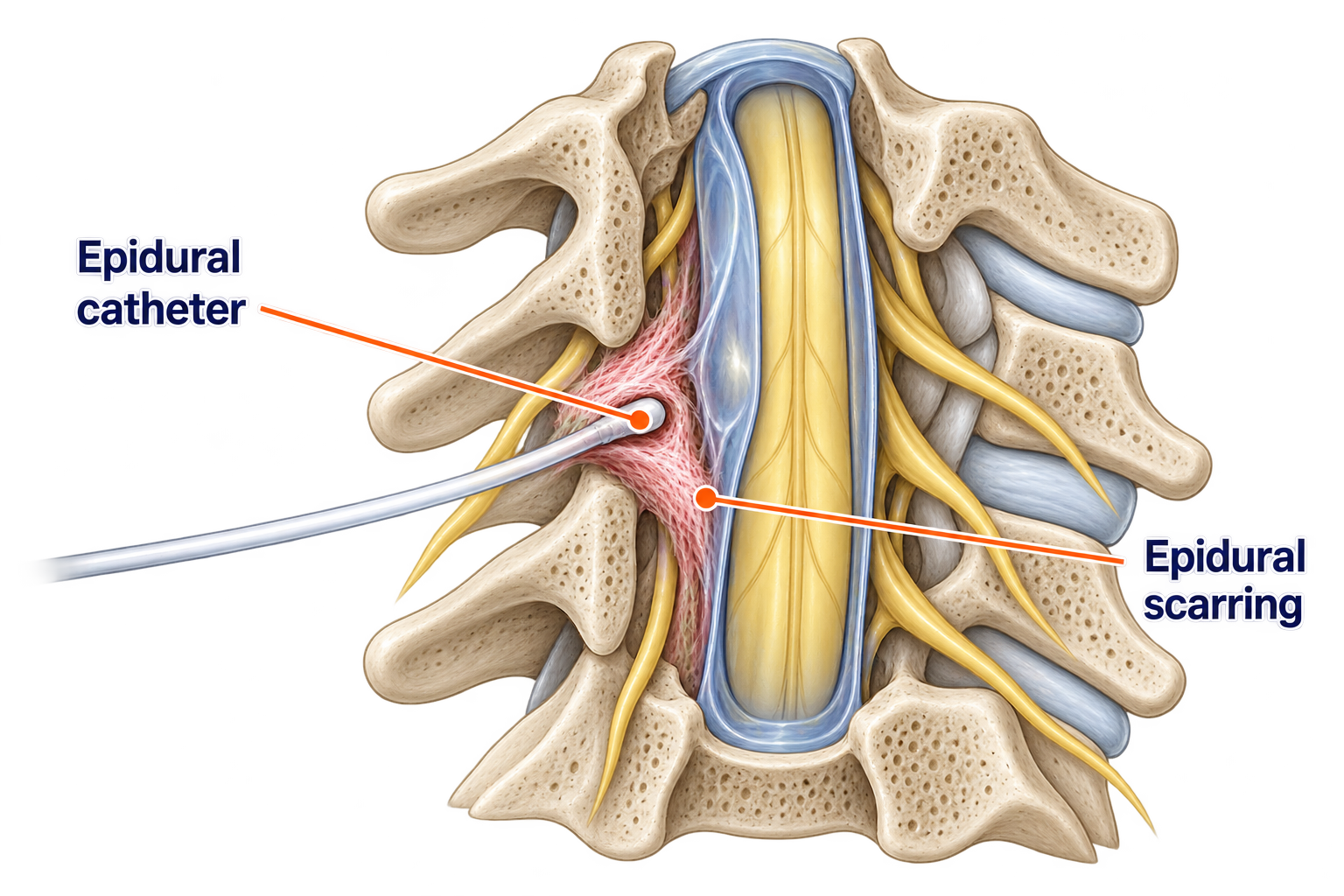
Epidurolysis / Percutaneous Adhesiolysis
A catheter technique intended to address selected epidural scarring and deliver medication. Evidence is mainly lumbar; cervical use needs highly specialised assessment and a clear risk–benefit discussion.
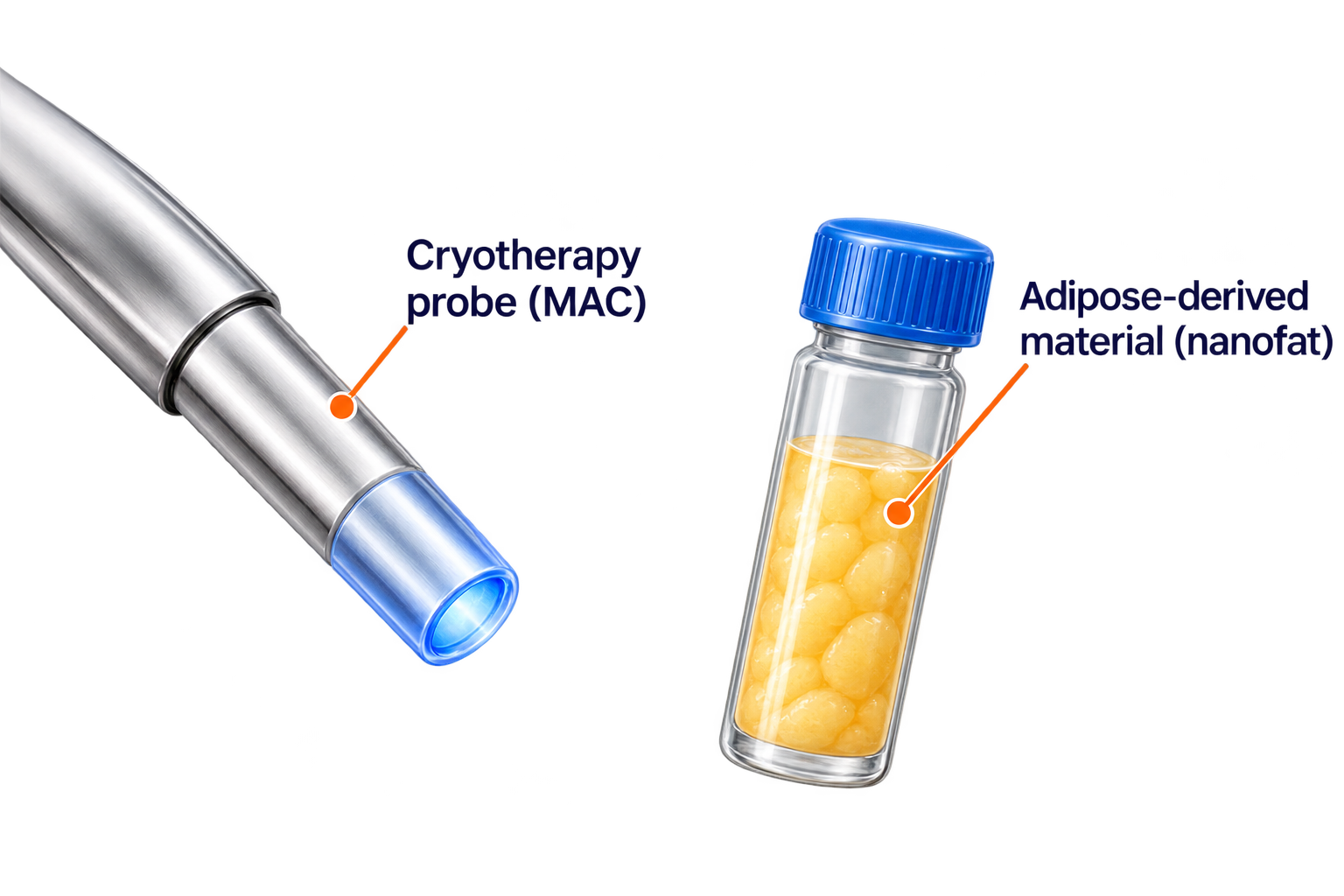
MAC & Nanofat Injections
Minimally Ablative Cryotherapy and adipose-derived injections are distinct approaches. Their proposed target, evidence and risks should be explained clearly; established benefit for cervical pain should not be assumed.
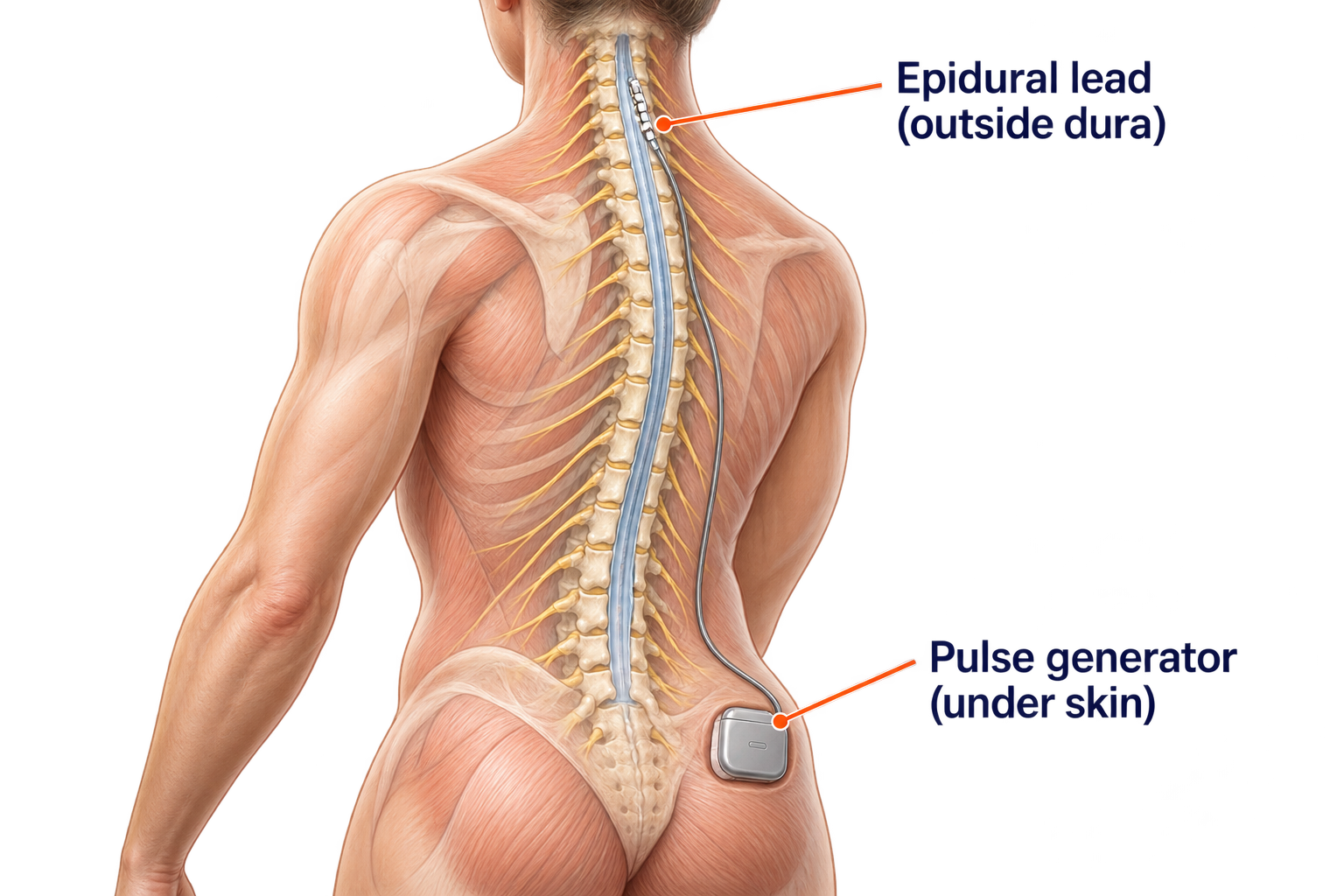
Spinal Cord Stimulation (SCS)
An implanted system delivers electrical pulses through epidural leads. It may be considered for selected persistent neuropathic pain after multidisciplinary assessment and a successful trial. Follow-up and revision procedures may be needed.
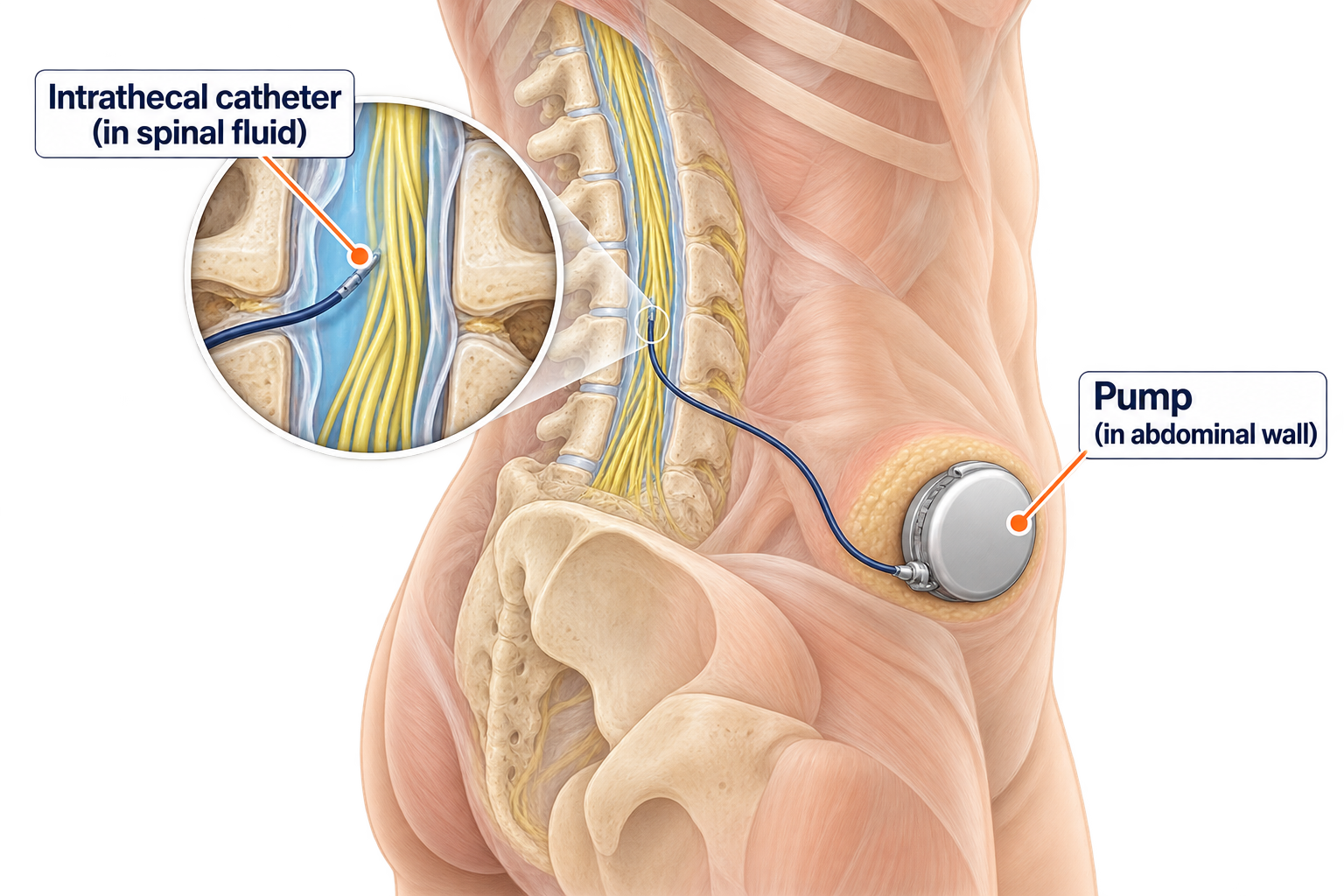
Intrathecal Drug Delivery (Pain Pump)
An implanted pump delivers medication into spinal fluid for selected severe pain. It requires specialist selection, regular refills and monitoring; infection, overdose and withdrawal are important risks.
A specialist decision, made with you.
Your diagnosis, prior treatment, goals and the quality of evidence guide the next step. Discuss benefits, risks, alternatives and ongoing care before choosing a procedure.
SURGERY & SHARED DECISIONS
The right care. At the right time.
Surgery is an individual decision based on symptoms, examination, imaging and your goals. Expected benefits must be weighed against risks and alternatives.
When a surgical assessment may be needed
Progressive spinal cord symptoms
Worsening hand function, walking or balance needs urgent assessment.
Progressive weakness or disabling arm pain
Specialist review may be needed despite appropriate non-surgical care. Worsening weakness should not wait.
Instability after injury or inflammatory disease
Fracture-dislocation or upper-neck instability may threaten the spinal cord.
Compression with neurological loss
Examination and MRI findings must be considered together.
Destruction from tumour or infection
Structural damage or instability needs urgent specialist review.
When to reconsider or optimise the plan
Neck pain alone
Without a matching surgical target, benefit is less predictable.
Scan findings that do not match symptoms
Wear or disc changes alone do not establish a need for surgery.
Non-surgical care has not been explored
Where safe, discuss an appropriate treatment trial first.
Stress, mood or fear affecting recovery
Offer support alongside physical care; these are not automatic exclusions.
Other health conditions increase risk
Assess and optimise health, then weigh options individually.
Previous surgery, no new structural target
Reassess the cause before considering another operation.
Coordinated care before surgery
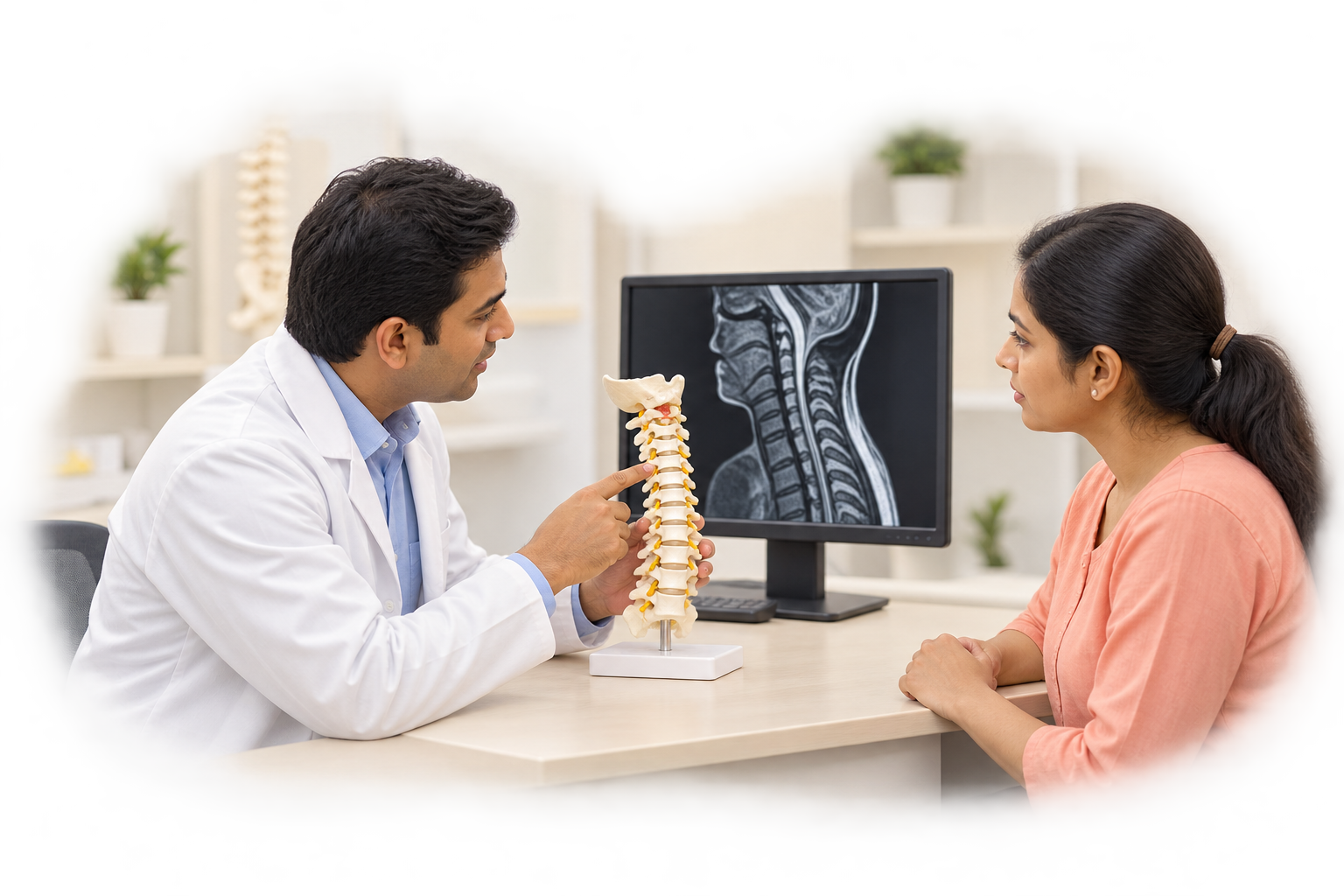
A selective nerve root block may add information in selected cases of multilevel disease. It is interpreted with symptoms, examination and imaging; it does not guarantee the correct surgical level or outcome. Diagnostic support and spine-surgeon review are coordinated when appropriate.
Clinical references: NICENHSCervical nerve-root block research
YOUR QUESTIONS, ANSWERED
Clear answers. A more confident next step.
Practical information about neck pain, assessment and care.
Seek emergency help for a sudden severe headache, fever with neck stiffness, new or rapidly worsening limb weakness, difficulty walking, or new loss of bladder or bowel control. Chest pain spreading to the neck, jaw or arm, and neck injury with neurological changes, also need emergency assessment. Call 108 or go to the nearest emergency department. New numbness or persistent symptoms should be assessed promptly.
NICE: Neurological recognition and referralOften, yes. Many episodes improve with time, tailored exercise, practical daily changes and pain relief suited to your health. Selected injections or nerve procedures may be discussed if symptoms persist; benefits and risks vary. Surgery may be appropriate for spinal cord involvement, progressive weakness or persistent disabling nerve-related symptoms. An indicated surgical assessment should not be delayed to exhaust every procedure.
NHS: Neck painIt is head pain arising from structures in the neck. Pain may start near the upper neck or back of the head and spread forwards, sometimes on one side. Neck movement may provoke it, and neck movement can be restricted. Symptoms can overlap with migraine and other headaches, so clinical assessment matters. Treatment is tailored to the suspected source; selected blocks or radiofrequency procedures need an individual discussion.
NHS: Cervicogenic headacheOptions discussed on this page include cervical epidural injections, selective nerve root blocks, facet injections and medial branch radiofrequency treatment. Intradiscal procedures, adhesiolysis, cryotherapy or adipose-derived injections, spinal cord stimulation and pain pumps require more specialised selection; evidence for cervical use varies and may be limited. These are not a required sequence. Ask which options are suitable and available, what benefit is realistic, and about risks, alternatives and ongoing care.
Read the procedure explanationsA clinical history and physical and neurological examination come first. MRI, X-rays, CT, nerve conduction studies or blood tests are selected when they can answer a clinical question; not everyone needs every test. In selected cases, a diagnostic nerve block may add information about a suspected pain source. Its response has limitations and must be considered with the examination and imaging.
Explore the diagnostic approachMany whiplash injuries are managed without surgery, with advice, appropriate pain relief and a gradual return to activity after assessment. Care depends on the injury; fractures, instability or spinal cord involvement need a different plan. Severe pain, weakness, tingling or difficulty walking after an accident needs urgent medical assessment. Persistent symptoms may need physiotherapy or specialist review; no treatment can guarantee prevention of chronic pain.
NHS: WhiplashStill have a question?
Discuss your symptoms and the options that fit your situation.