01 / At the wrist
One nerve in a small area
The median nerve passes through the wrist into the hand. Pressure on it can affect sensation in some fingers.
Follow the amber nerve through the wrist.
NEUROPATHIC PAIN / PATIENT GUIDE
Burning, electric shocks, tingling or pain when clothing brushes your skin can suggest nerve involvement. Where the feeling starts, where it travels and what else changes can help a clinician work out the cause.
Article credits · Clinical review pending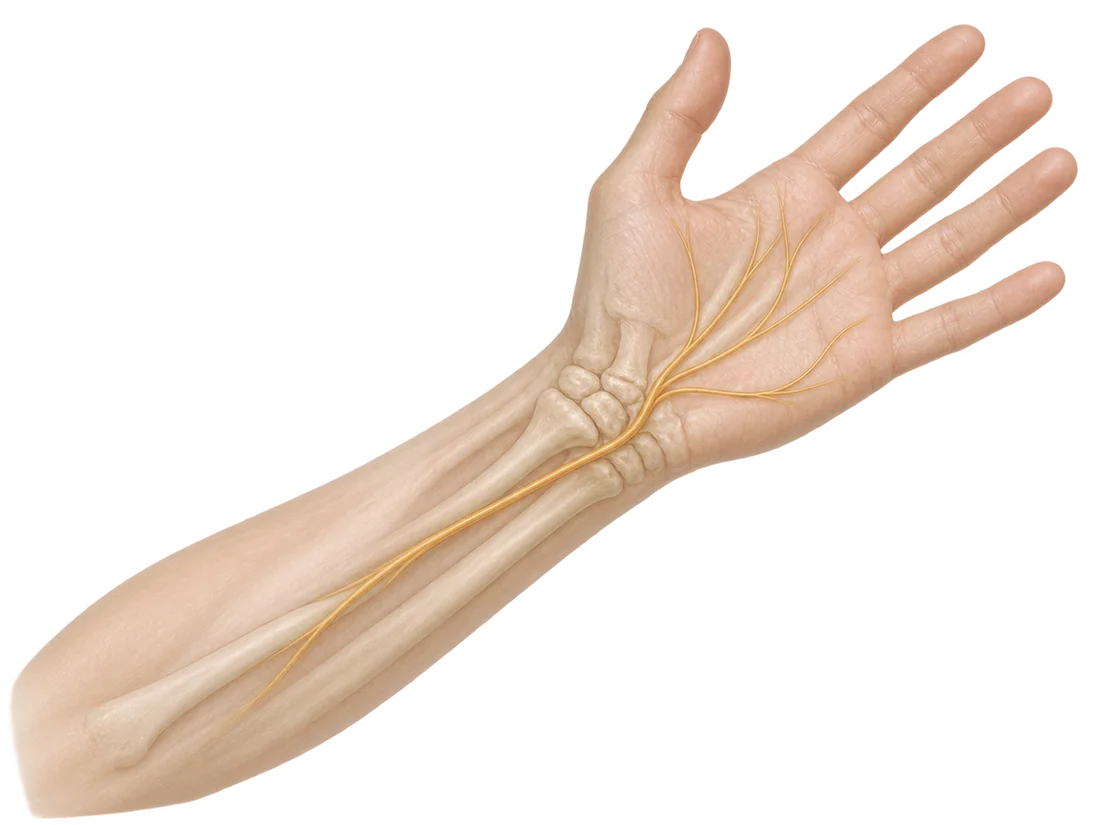
Map the feelingDescribe the area, the sensation and when it started.
Notice the changeIdentify new problems with strength, balance or feeling.
Agree a goalBring one activity you want help getting back to.
01Anatomy / guided comparison
Neuropathic pain comes from damage or disease in the part of the nervous system that carries sensation. These teaching models focus on peripheral nerves and nerve roots. Compare three patterns a clinician may investigate.
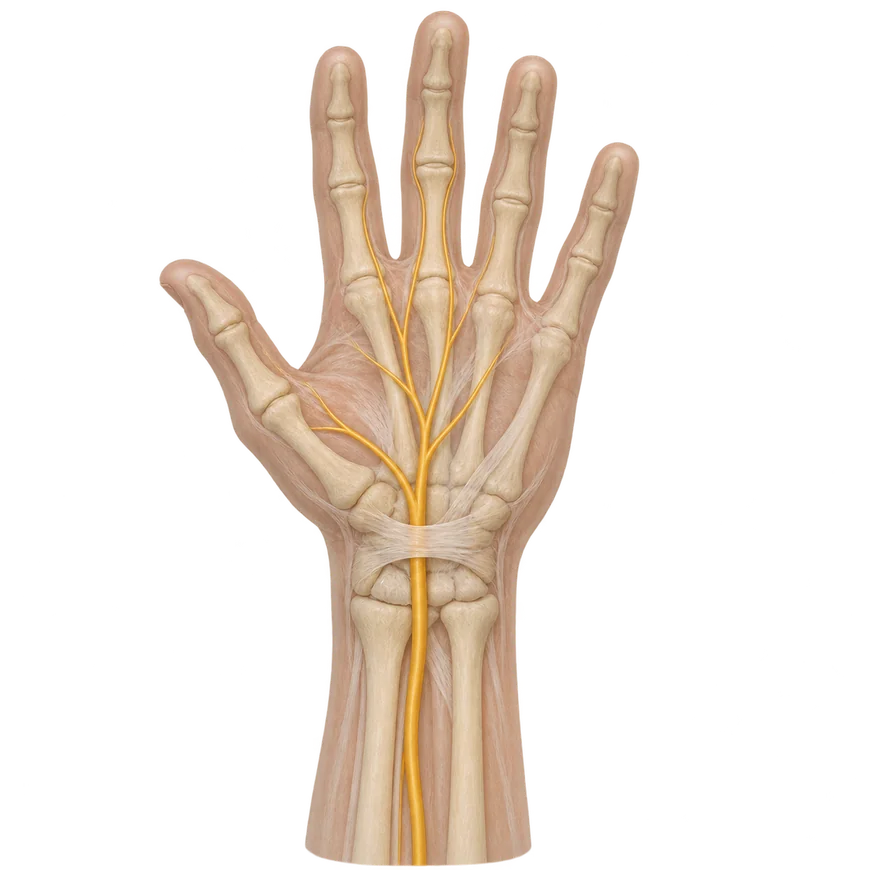
01 / At the wrist
The median nerve passes through the wrist into the hand. Pressure on it can affect sensation in some fingers.
Follow the amber nerve through the wrist.
These models show where nerves run. Your clinician uses the history and examination to check which explanation fits.
NHS · Peripheral neuropathy symptoms02Symptoms / the pattern matters
The words you use and the shape of the area both matter. These examples help you notice what to describe. Examination helps establish whether a nerve problem explains it.
01 / A local area
An affected nerve can cause symptoms in a particular area. For example, a nerve compressed at the wrist can cause tingling or numbness in some fingers. Note the fingers that are involved and what you were doing when it started.
NHS · Symptoms of peripheral neuropathyA question for your visitWhich part of my hand is affected, and which activities change it?
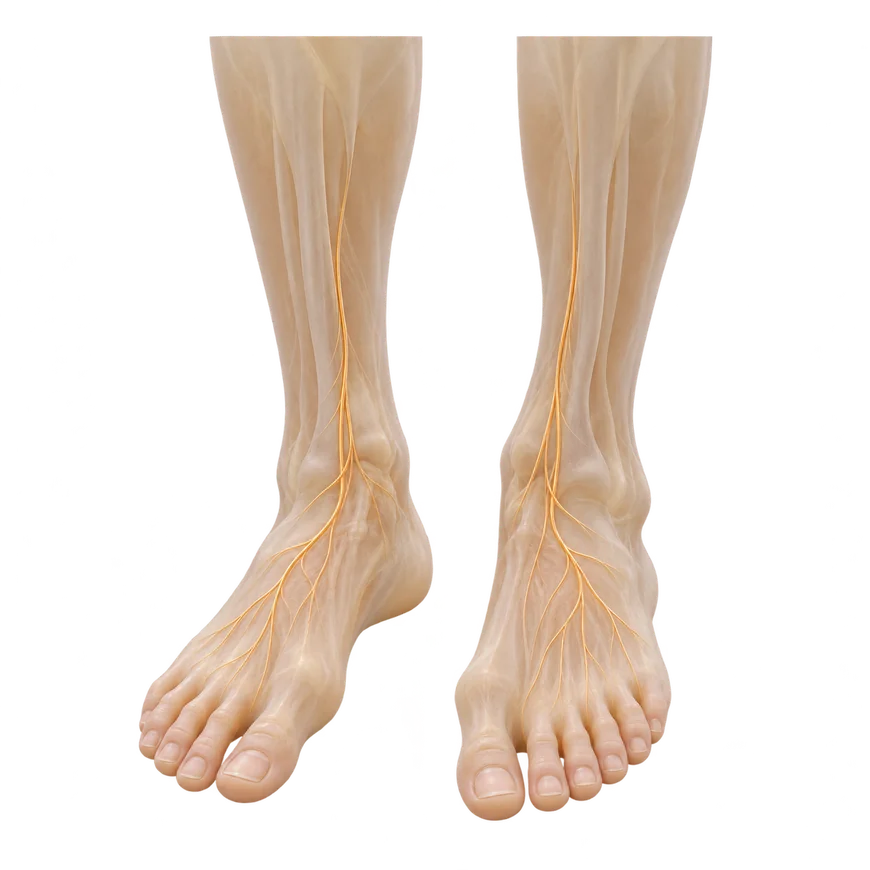
02 / Both feet
When several peripheral nerves are affected, altered feeling can start in both feet. It may feel like tingling, burning or numbness. Tell your clinician whether it reaches higher, affects your balance or makes a shoe rub without you noticing.
NHS · Symptoms of peripheral neuropathyA question for your visitDid it start at the toes on both sides, and how far does it reach now?
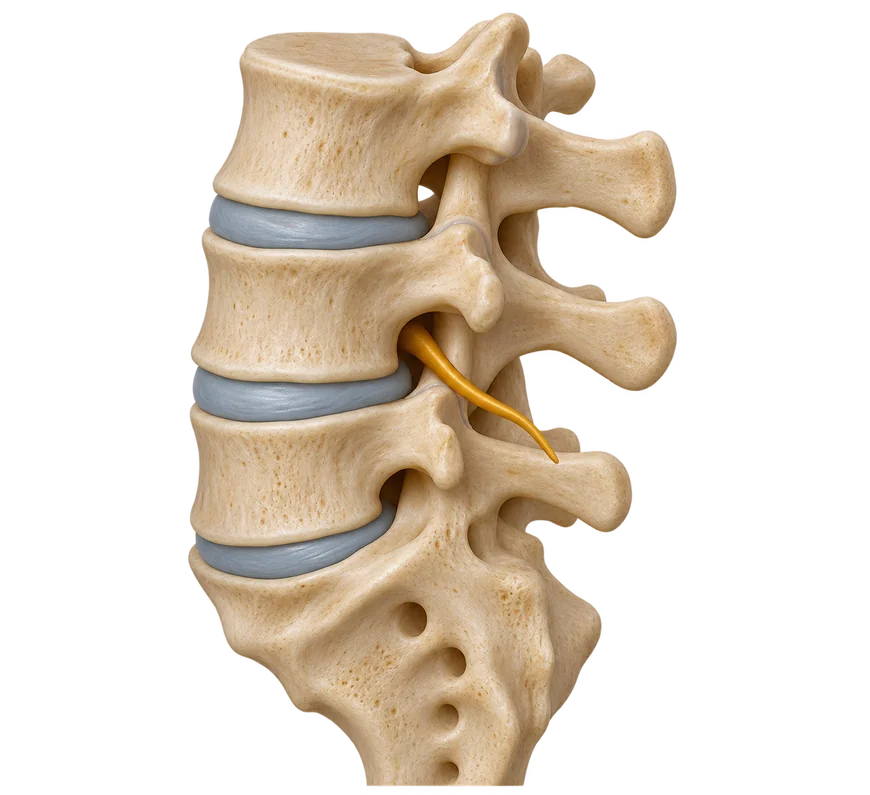
03 / A travelling line
When a nerve root is involved, symptoms can travel from the back into a leg. Tell your clinician where they begin and end and whether you also notice numbness or weakness.
NHS · Sciatica and emergency warning signsA question for your visitHow far down does it reach, and does it affect how I walk?
03Warning signs / choose the right help
The signs below need emergency help. In India, call 112.
Or go to the nearest emergency department. Arrange help getting there.
For routine clinic enquiries
Request an appointment04Assessment / questions before tests
A clinician compares your symptom map with how sensation and movement work. The pattern helps them decide whether a test could clarify the cause.

Explain where it started, which side is affected and whether the feeling stays in one spot or travels. Share any relevant illness, injury, surgery and medicines or treatments.
Which details about the timing or location would help narrow down the causes?
NHS · Diagnosing peripheral neuropathyA clinician may compare light touch, strength and reflexes, and watch how you walk or use your hands. The findings help distinguish one affected nerve from a wider pattern.
What could explain the changes in both sensation and movement?
NHS · Diagnosing peripheral neuropathyDepending on the pattern, your clinician may request blood tests or specialist tests of nerve and muscle function. Tests are selected for the question raised by your history and examination.
What could this test show, and would it change the care we discuss?
NHS · Diagnosing peripheral neuropathy05Care / options and limits
The assessment can point toward treating the cause, easing symptoms or protecting daily function. Discuss the purpose, limits and review plan for each option.
01 / Address the cause
Treatment may include managing diabetes, correcting a confirmed deficiency or getting a trapped nerve assessed. A clinician may review medicines and other treatments that could be contributing.
NHS · Treating peripheral neuropathyA question for your visitWhat part of the underlying problem can we address, and when should we review it?
02 / Medicine review
A clinician may discuss medicines used for neuropathic pain and arrange a review of relief, side effects and function. NICE CG173 sets out a separate medicine pathway for trigeminal neuralgia and points to its low back pain and sciatica guideline for sciatica.
NICE CG173 · Neuropathic pain in adultsA question for your visitHow will we decide whether the treatment helps enough to continue?
03 / Daily function
Depending on the findings, your clinician may suggest physiotherapy, walking support or advice on protecting feet with reduced feeling. Choose a task that matters to you so progress can be discussed at follow-up.
NHS · Treating peripheral neuropathyA question for your visitWhat would help me recover confidence with one daily task?
04 / Specialist discussion
A pain clinician can explain why a targeted block or another procedure may be considered, the alternatives and what would count as benefit. The original article’s neurolytic blocks concern selected specialist settings, including some cancer pain, and need a separate discussion about risks and goals.
National Cancer Institute · Cancer pain (PDQ)NICE CG173 · Neuropathic pain in adultsA question for your visitWhy might this specialist option fit my situation, and what are the alternatives?
06Evidence / shared decisions
A definition, a treatment review and specialist guidance answer different questions. Look at who was studied, which outcomes were measured and how those findings relate to the proposed care.
01 / Recognising the pattern
IASP defines this pain by its connection to damage or disease in the sensory nervous system. The distribution and sensory findings help a clinician investigate the cause. Burning and electric sensations can help guide that assessment.
Which part of my history and examination supports a nerve contribution?
02 / Treatment averages
The NeuPSIG review included 313 trials of medicines and non-invasive neuromodulation. It compared outcomes such as meaningful pain relief and stopping treatment because of side effects. The results summarise groups across different conditions. The choice for one person depends on their cause and goals.
What outcome should we track alongside pain, and when will we review it?
03 / Specialist scope
For example, NCI guidance discusses coeliac plexus neurolysis for selected upper abdominal cancer pain, particularly pancreatic cancer. Those recommendations apply to a specific cancer pain setting. The original IBAP article contains additional specialist procedure descriptions.
Does the evidence apply to my diagnosis and the proposed procedure?
07Daily life / prepare for the visit
Describe the area, the feeling and one task that has changed. These fictional notes give two examples you can adapt to prepare for a conversation.

Fictional visit notes
08Questions / find a starting point
These feelings can suggest nerve involvement. A clinician uses your history and examination to check what could explain the feeling and its distribution.
Some conditions affect several peripheral nerves, often starting in the feet. There are several possible causes, so a clinician checks symptoms, sensation and other findings.
The history and examination guide test selection. Depending on your symptoms, a clinician may find blood tests or tests of nerve function more useful than imaging.
Sciatica and trigeminal neuralgia have condition-specific assessment and treatment pathways. Tell your clinician exactly where the symptoms travel and what triggers them.
These procedures are specialist options for selected situations. One example is coeliac plexus neurolysis for particular upper abdominal cancer pain. Ask why a suggested treatment fits your diagnosis and goal.
Sudden one-sided weakness, facial droop or speech trouble need emergency help. Rapid worsening in both limbs or new bladder, bowel or saddle sensation changes with back and leg pain also need emergency assessment.
09Sources / editorial accountability
This guide brings together the clinic’s original educational material and separately linked guidance.
Nerve Pains · Published by IBAP Clinics
The original IBAP Clinics article focuses on neurolytic blocks and selected specialist uses, including cancer pain. Its procedure descriptions, estimates, tables and references remain in the archive. This adaptation covers everyday nerve pain assessment and links specialist care to its clinical context.
Go to the original article archiveAdapted for IBAP Clinics with AI assistance from OpenAI Codex.
The adaptation reorganises the original article for patients and adds educational illustrations, examples and separately linked clinical guidance.

Clinic physician profile
Pain physician and founder, IBAP Clinics
Read the physician’s profileClinical review pendingClinician review of the adapted copy and illustrations is awaiting confirmation.
Editorial update
Defines neuropathic pain and distinguishes symptoms from a clinical finding of nerve damage or disease.
Explains sensory and movement changes and how one nerve or several nerves can be affected.
Describes the history, examination and tests a clinician may use to look for an underlying cause.
Separates treatment of an underlying cause from support for pain and functional changes.
Recommendations for medicine decisions and regular review in adult non-specialist care, with separate pathways for specific conditions.
Recognising weakness, altered sensation and patterns that need immediate or urgent assessment in adults.
Facial weakness, arm weakness, speech changes and other sudden symptoms that need emergency care.
Symptoms of sciatica and warning signs involving leg strength, bladder, bowel or altered saddle sensation.
Early assessment for new foot wounds and other active foot problems in people with diabetes.
A systematic review of medicines and non-invasive neuromodulation for neuropathic pain.
Specialist options for selected cancer pain syndromes, including selected neurolytic blocks.
This archive preserves the clinic’s source article, including its tables and references. It may contain earlier estimates, terminology and treatment claims. The patient guide above presents the current reading and decision-making context with separately linked guidance.
Original article destinationEducational content for a clinical conversation. Illustrations simplify anatomy. Original patient stories describe individual experiences.