
Migraine
Often limits activity
Head pain with nausea, light or sound sensitivity, sometimes aura. The pain may involve the face or neck as well as the head.
Adult headache phase often 4–72 hours.
MIGRAINE / A PATIENT GUIDE
Migraine can affect pain, senses, concentration and the time between attacks. A careful history helps turn that experience into a care plan shaped around you.
Banjara Hills · Madeenaguda · Hyderabad
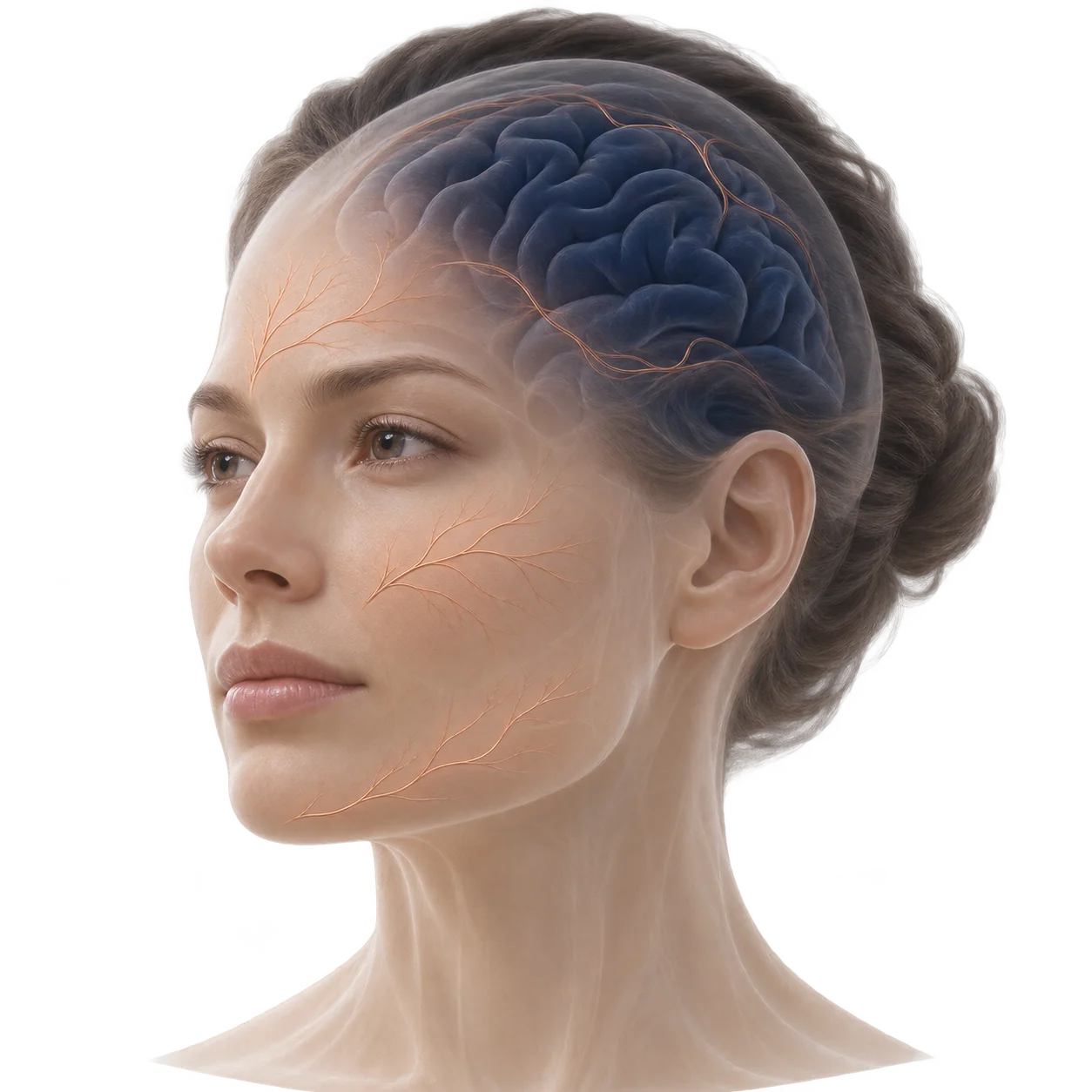
A neurological conditionYour experience has a clinical context.
The pattern mattersA diary adds detail to your story.
A shared care planBenefit, safety and daily life considered together.
01UNDERSTANDING MIGRAINE
The complete symptom picture gives your clinician more to work with than pain location alone.
Migraine is a neurological condition with recurring attacks. Headache can be one part of an attack, alongside nausea, sensory sensitivity, changes in thinking and a recovery period.
Many adults describe pain that is pulsating, moderate or severe, and worse with ordinary activity. It can affect one side or both sides. A diagnosis comes from the history and examination, with other causes considered.
ICHD-3 · Migraine without auraA SIMPLIFIED MECHANISM
Choose a label or explanation to highlight its connection.
Brain networks involved in sensation can become unusually sensitive during an attack.
Trigeminal pathways and signalling around the brain’s coverings contribute to migraine pain.
CGRP is one of the signalling molecules studied in migraine and targeted by some treatments.
CGRP in plain language Calcitonin gene-related peptide is a small chemical messenger involved in migraine signalling. Some treatments target that messenger or the receptor it acts on.
International consensus · Migraine in ten steps02THE ATTACK ATLAS
Explore each possible stage, then use the questions to describe your own experience at a consultation.
Hours or days beforehand
Yawning, tiredness, changes in concentration, food cravings or neck discomfort may arrive before head pain. Recognising your own pattern can help you prepare a quieter day and follow the plan agreed with your clinician.
What changes do you notice before the pain begins?

Phases can overlap, vary or be absent. This is an explanation of possible patterns, rather than a personal attack prediction.
The Migraine Trust · Attack stagesYawning, tiredness, changes in concentration, food cravings or neck discomfort may arrive before head pain. Recognising your own pattern can help you prepare a quieter day and follow the plan agreed with your clinician.

Some people notice reversible visual, sensory or speech symptoms. Typical individual aura symptoms often last 5–60 minutes. Aura can happen without a headache. A new, sudden or unfamiliar neurological symptom needs assessment, even if you have migraine.

Pain may be throbbing, one-sided or on both sides, and made worse by ordinary activity. Nausea and sensitivity to light or sound can be as disruptive as pain. The pattern differs between people and between attacks.

Low energy, difficulty concentrating or a feeling of being washed out can continue after the headache settles. Allowing recovery time and recording these symptoms gives a fuller picture than counting pain hours alone.
03RECOGNISING DIFFERENT PATTERNS
Headache and facial pain can overlap. These summaries prompt a clinical conversation and cannot identify a diagnosis online.
Often limits activity
Head pain with nausea, light or sound sensitivity, sometimes aura. The pain may involve the face or neck as well as the head.
Adult headache phase often 4–72 hours.

Often pressing or tightening
Commonly affects both sides and is usually less aggravated by ordinary movement. The whole symptom pattern helps distinguish it.
Often lasts 30 minutes or longer.
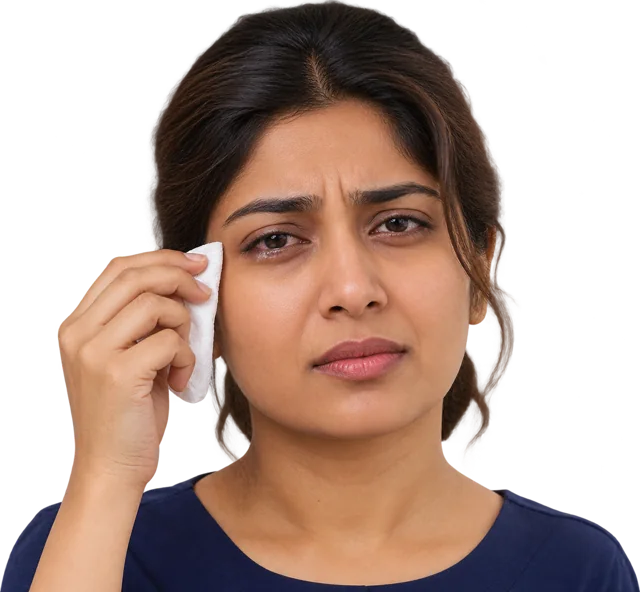
Shorter, very severe attacks
Pain around one eye with restlessness, watering or a blocked nose requires a specific assessment and treatment plan.
Individual attacks often 15–180 minutes.

Location is one clue
Dental problems, jaw disorders and nerve pain can overlap with headache. Chewing triggers or electric-shock pain deserve a focused review.
Duration varies with the cause.
04YOUR PATTERNS / YOUR DIARY
A diary can capture the attack and its effect on life. A few consistent notes are more useful than trying to remember every detail later.
AN ANNOTATED ILLUSTRATIVE EXAMPLE
These invented entries demonstrate a recording format. They are not a diagnosis, a medicine plan or a prediction of your own symptoms.
Throbbing head pain, nausea and difficulty with bright light. No familiar warning symptoms recorded.
“Usual clinician-agreed treatment taken. Partial relief; felt sleepy.”
“Head pain settled. Concentration still difficult; needed a quiet morning and missed a meeting.”
The blank CSV can be opened in a spreadsheet or printed. This page does not save personal health information. Bring your completed record to your clinician.

A MOMENT TO OBSERVE
Use the quiet moment after an attack to note what happened, what helped and how recovery felt.
Animated illustrative photograph. The scene illustrates diary-keeping and does not show an actual patient or treatment outcome.
Date, start and end, headache days and completely clear days.
Pain pattern, nausea, sensitivity, aura and symptoms before or after pain.
Names, days taken, benefit and any unwanted effects.
Missed work, disrupted sleep, menstrual timing and the activities you could manage.
Sleep changes, missed meals, stress, menstrual timing and sensory environments may be relevant. Factors often combine, and an early symptom can be mistaken for a trigger. A diary helps your clinician interpret the pattern without turning daily life into a long list of restrictions.
05ASSESSMENT / A SHARED STARTING POINT
How it began, how it has changed and what happens between attacks all belong in the assessment.

Describe onset, frequency, pain quality, associated symptoms, aura, family history and the effect on daily life.
A neurological examination and any relevant physical findings help decide whether another explanation needs investigation.
Imaging or other tests are selected for the clinical findings. A typical migraine history does not automatically require a scan.
Agree the working diagnosis, treatment goals, follow-up timing and what changes should prompt earlier contact.
Bring your diary, medicine list and previous reports.
06WHEN TO SEEK HELP
An established migraine diagnosis does not explain every future symptom. The timing and the type of change matter.
or go to the nearest emergency department. Arrange help rather than driving yourself.
Contact a clinician urgently for an attack lasting longer than 72 hours, aura lasting longer than an hour, a substantially different pattern, or a new or troublesome headache during pregnancy or soon after birth.
Symptoms that are new, sudden or different from your usual aura need assessment. Use emergency care for the warning signs alongside.
NHS · MigraineHyderabad District · Emergency helplines07TREATMENT / SHARED DECISIONS
Acute relief and prevention have different jobs. Explore how each may fit a personalised plan.
ACUTE CARE
Agree what to do when an attack starts, which symptoms to target and when to seek further help. The plan should fit nausea, other conditions and the medicines you already take.

A triptan is a migraine-specific medicine used for an attack. A gepant blocks the action of CGRP, a migraine-related chemical messenger. Individual drugs have different roles and suitability.
NHS · SumatriptanNICE TA919 · RimegepantA clinician may discuss an appropriate pain reliever, a migraine-specific triptan or, for selected people, a gepant. Cardiovascular conditions, other medicines and previous response influence the choice.
Anti-sickness treatment or a different formulation may be considered when vomiting or difficulty swallowing makes tablets impractical.
Repeated poor response, frequent rescue treatment or side effects are reasons to revisit the plan with the care team.
A question for your visit What should I do if my usual treatment does not help?
PREVENTIVE CARE
Prevention is a conversation about frequency, disability, preferences and health. Your clinician can compare the likely benefit, practical burden and monitoring of different options.

Options can include medicines such as propranolol, topiramate or amitriptyline, selected for the individual. They have different risks, interactions and reasons they may be unsuitable.
CGRP-targeting antibodies and preventive gepants are options in current guidance. Local licensing, availability, cost and your medical history shape access and selection.
Track headache days, function and unwanted effects together. Adjustments follow an agreed review rather than a promise that one treatment will work for everyone.
A question for your visit Which outcome would make this treatment worthwhile for me?
INDIVIDUAL SELECTION
A specialist review can clarify the diagnosis, medicine overuse and the reason previous care has been difficult. A procedure is one possible part of a wider plan.
OnabotulinumtoxinA may be considered for selected adults with chronic migraine. Assessment, the established diagnosis and follow-up are essential.
Selected neuromodulation devices, behavioural support and, in some circumstances, nerve blocks may be discussed. The evidence, intended role and alternatives differ for each approach.
Pregnancy, planning a pregnancy and breastfeeding need a specific medicine review. Topiramate has important pregnancy-related restrictions. Speak to your prescriber before changing treatment.
A question for your visit Why does this option fit my diagnosis, and what are its limitations?
The 2026 AAN/AHS guideline discusses preventive medicines for adults. NICE uses its own treatment and access criteria. Guidance from another health system does not establish local availability, eligibility or the best treatment for you.
08 / MEDICINE DAYS MATTER
Frequent acute medicine use can contribute to medication-overuse headache. The clinical definition concerns headache on 15 or more days a month in someone with a pre-existing headache disorder, alongside regular overuse for more than three months. The medicine class determines the medication-day threshold.
Bring a full list to your prescriber, including non-prescription and combination products. Ask for a supported plan if medicines need changing.
ICHD-3 · Medication-overuse headacheThreshold used for some classes, including triptans and combination analgesics.
Threshold used for simple analgesics such as paracetamol or NSAIDs.
Read alongside the full criteria Regular overuse for more than three months, headache on at least 15 days a month and a pre-existing headache disorder all matter. Classification thresholds are assessment prompts. They are not personal safe-use targets or an instruction to stop a medicine yourself.
ILLUSTRATIVE RECORDING EXAMPLE
An invented month shows how headache days and acute-medicine days can be counted separately. These counts are not a treatment target or a safe-use limit.
9 fictional headache days recorded
Highlighted dates are fictional. One month and a count alone cannot diagnose medication-overuse headache.
09CARE THAT FITS DAILY LIFE
Small, sustainable adjustments can support your treatment plan. Choose what is realistic for your life and review it together.

Regular sleep, meals and hydration can be useful foundations.
Discuss manageable changes to light, sound or screen demands when these are difficult.
Talk with family, work or school about practical support during and after an attack.
Use diary patterns and your priorities to adjust the plan over time.
10 / QUESTIONS FOR YOUR VISIT
These answers explain common questions. Your own pattern, health and priorities guide the clinical decision.
Discuss your headacheYes. Migraine without aura is a recognised diagnosis. Your clinician considers the headache features and accompanying symptoms, rather than requiring a visual warning before every attack.
ICHD-3 · Migraine without auraExplore the related chapterIt can. However, an unfamiliar visual, speech or sensory event needs assessment because other conditions may look similar. Sudden symptoms or weakness should be treated as an emergency rather than assumed to be aura.
ICHD-3 · Migraine with auraExplore the related chapterThe history and neurological examination guide the decision. Typical migraine does not automatically require a scan. New warning signs, unusual findings or a changing pattern may lead to selected investigations.
International consensus · Migraine in ten stepsExplore the related chapterThe classification describes headache on at least 15 days per month for more than three months, with migraine features on at least eight days. A diary helps a clinician apply these criteria and consider other explanations.
ICHD-3 · Chronic migraineExplore the related chapterFrequent use of acute headache medicines can contribute to medication-overuse headache in susceptible people. Count medicine days and bring that record to your clinician, who can plan a supported review.
ICHD-3 · Medication-overuse headacheExplore the related chapterThere are several evidence-based choices. Other health conditions, pregnancy considerations, previous response, preferences and access can change which option is most suitable. Prevention needs a shared goal and a follow-up plan.
AAN and AHS · Prevention guideline, 2026Explore the related chapterSuitability depends on the headache diagnosis, the purpose of the procedure and the evidence for that use. Ask what benefit is realistic, which risks matter, what the alternatives are and how the result will be reviewed.
NICE CG150 · Headache careExplore the related chapterBring your headache diary, a list of prescribed and over-the-counter medicines, previous reports and the questions you most want answered. Include how headache affects work, family life and recovery between attacks.
The Migraine Trust · Headache diaryExplore the related chapter11SOURCES / CLINICAL CONTEXT
This patient guide adapts the clinic’s original migraine article and links separate clinical guidance for the decisions discussed above.
The original clinic article is attributed to Dr Vijay Bhaskar Bandikatla. The new reading format and additional explanations are patient education, with source links beside the relevant topics.
Source links checked 19 November 2026.
Clinical review of this adaptation and its illustrations is awaiting confirmation.
Images and the animated diary scene are educational illustrations. They depict fictional people and conceptual anatomy, with no implied patient outcome.
THREE USEFUL STARTING POINTS
Symptoms, urgent assessment and everyday support.
International diagnostic classification. Criteria support a clinical assessment.
Adult pharmacological prevention, individual selection and shared decisions. DOI 10.1212/WNL.0000000000214881.
A triptan example, its acute-treatment role, suitability and medicine review. This guide gives no dose instructions.
A CGRP receptor antagonist example and UK acute-treatment guidance. Local availability and eligibility require clinical confirmation.
Symptoms, urgent assessment and everyday support.
Diagnosis, acute treatment, prevention and medicine review. UK guidance and access criteria need local clinical interpretation.
International diagnostic classification. Criteria support a clinical assessment.
The pattern and timing of aura and important diagnostic distinctions.
Headache-day and migraine-day definitions used in assessment.
Prodrome, aura, headache and postdrome. Individual attacks vary.
Recording patterns, medicine use and the effect on daily life.
Adult pharmacological prevention, individual selection and shared decisions. DOI 10.1212/WNL.0000000000214881.
CGRP-targeting treatments as preventive options. Selection and access vary by jurisdiction.
Medication-day thresholds and the broader clinical criteria for medication-overuse headache.
Mechanisms, diagnostic history, treatment and follow-up in a coordinated care pathway.
Local emergency contact information, including 108.
This archive preserves the clinic’s source article, including its tables and references. It may contain earlier estimates, terminology and treatment claims. The patient guide above presents the current reading and decision-making context with separately linked guidance.
Original article destinationThis guide supports discussion with a qualified clinician. Your diagnosis, treatment suitability and emergency needs require an individual assessment.
YOUR NEXT STEP / IBAP CLINICS
Bring your diary, previous treatment details and one goal that matters to you.