











































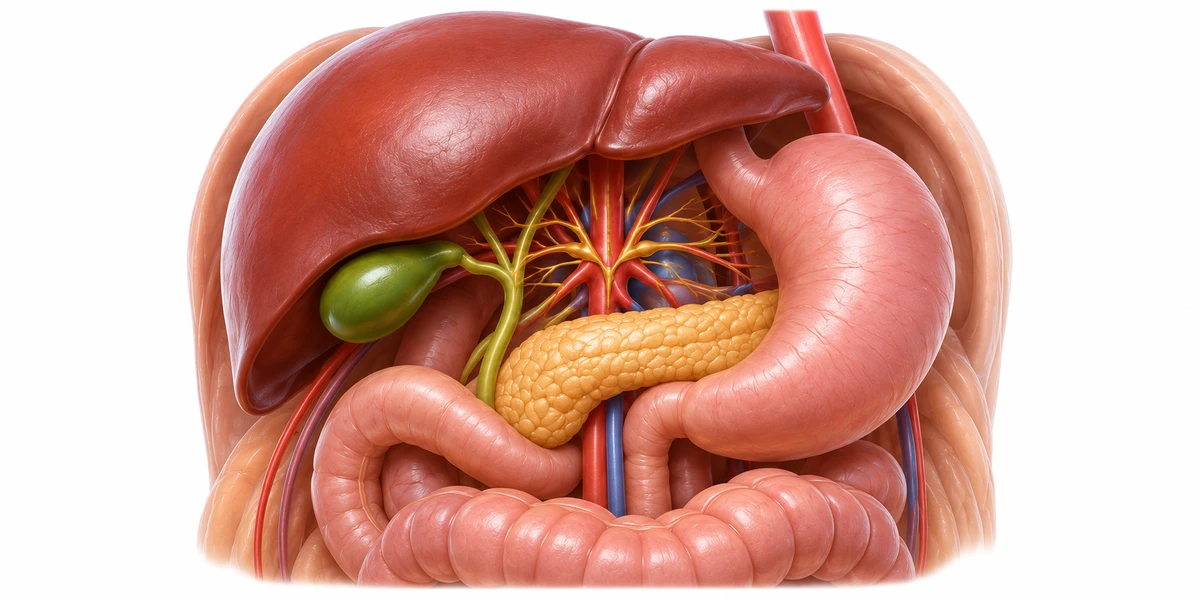
Image-guided treatment targeting the coeliac nerve network may be considered for pancreatic and selected gastric, liver or biliary cancer pain. The potential benefit and risks are reviewed individually.

CANCER PAIN / SUPPORTIVE CARE
Pain from cancer or its treatment can affect sleep, movement and daily life. At IBAP Clinics, we assess your symptoms and discuss a personalised plan alongside your oncology care.
IBAP Clinics · Hyderabad
Your symptoms, treatment history and priorities.
Medicines and selected procedures, when appropriate.
Adjusting the plan as your needs change.
IN THIS ARTICLE
Explore key topics on cancer pain, from understanding the causes to treatment options and care at IBAP Clinics.
UNDERSTANDING CANCER PAIN
Cancer-related pain may come from the cancer itself, its treatment, or another condition. It can feel aching, burning, shooting or pressure-like, and may be persistent or come in short episodes.
Pain can affect sleep, movement, appetite and emotional wellbeing. Your symptoms, current cancer treatment and personal priorities help guide an individual care plan.

Pressure on nerves, bones or other tissues may contribute.
Surgery, chemotherapy or radiotherapy may contribute.
Persistent symptoms in survivors also deserve assessment.
Care may combine medicines, selected procedures and supportive approaches, with review as your needs change.
Discuss new, changing or poorly controlled pain with your oncology or pain-care team.
Patient information: National Cancer Institute
CANCER PAIN IN INDIA
Understanding the scale of the challenge.
Awareness, access, stigma and referral barriers can delay cancer pain care.

ACCESS TO PAIN CARE
Cancer care involves many priorities. Oncology and pain teams can coordinate support when pain or medicine side effects persist.
Supplied estimates · Sources and dates to be confirmed; figures vary by centre.
Oncology care + Pain assessmentA shared care plan
UNDERSTANDING THE CAUSES
Pain may come from the cancer itself, its treatment, or a combination of factors. Finding the cause helps guide care.
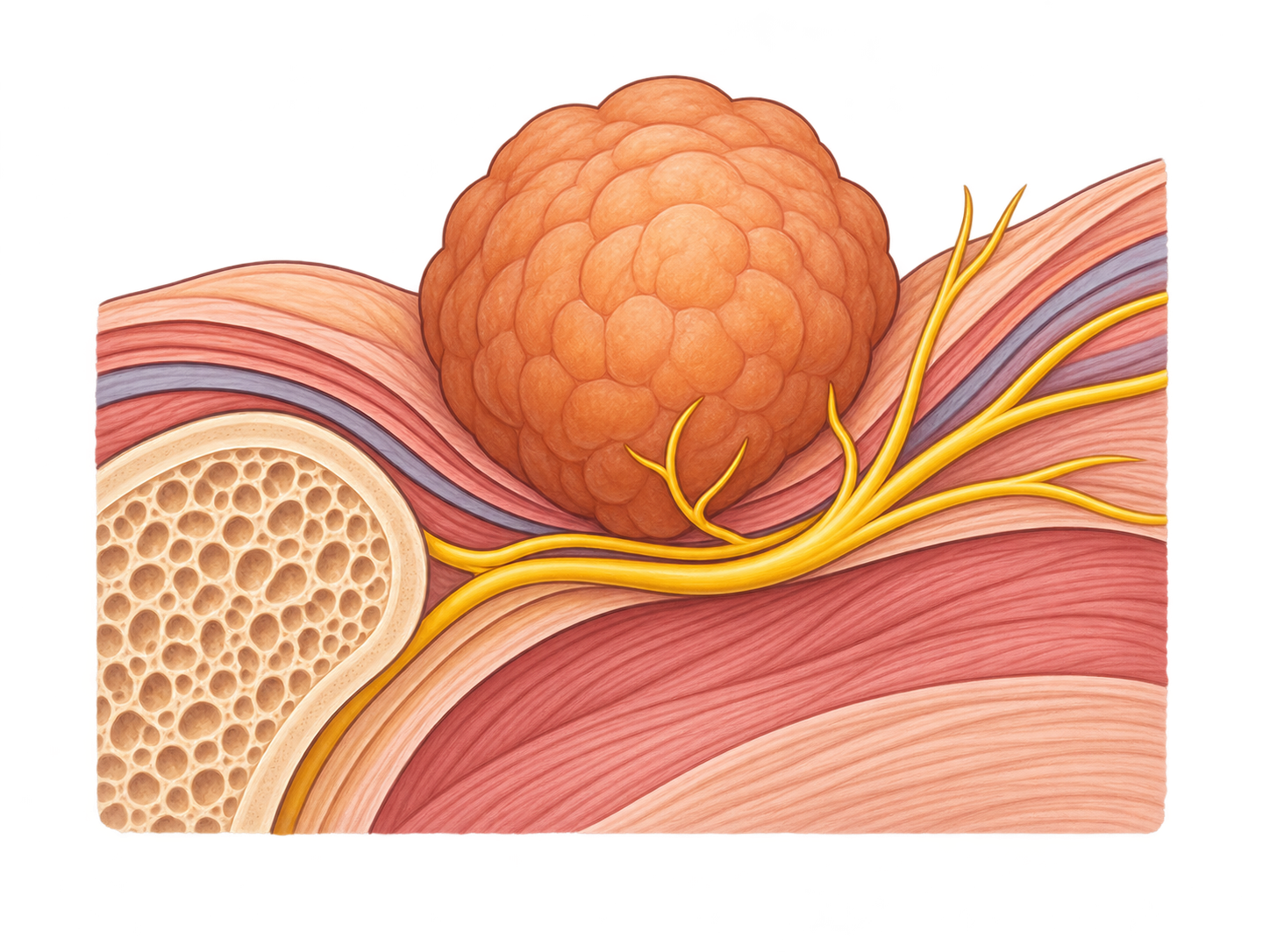
A tumour can press on nerves, organs or bone. Pain may feel like pressure, aching, burning or electric shocks.
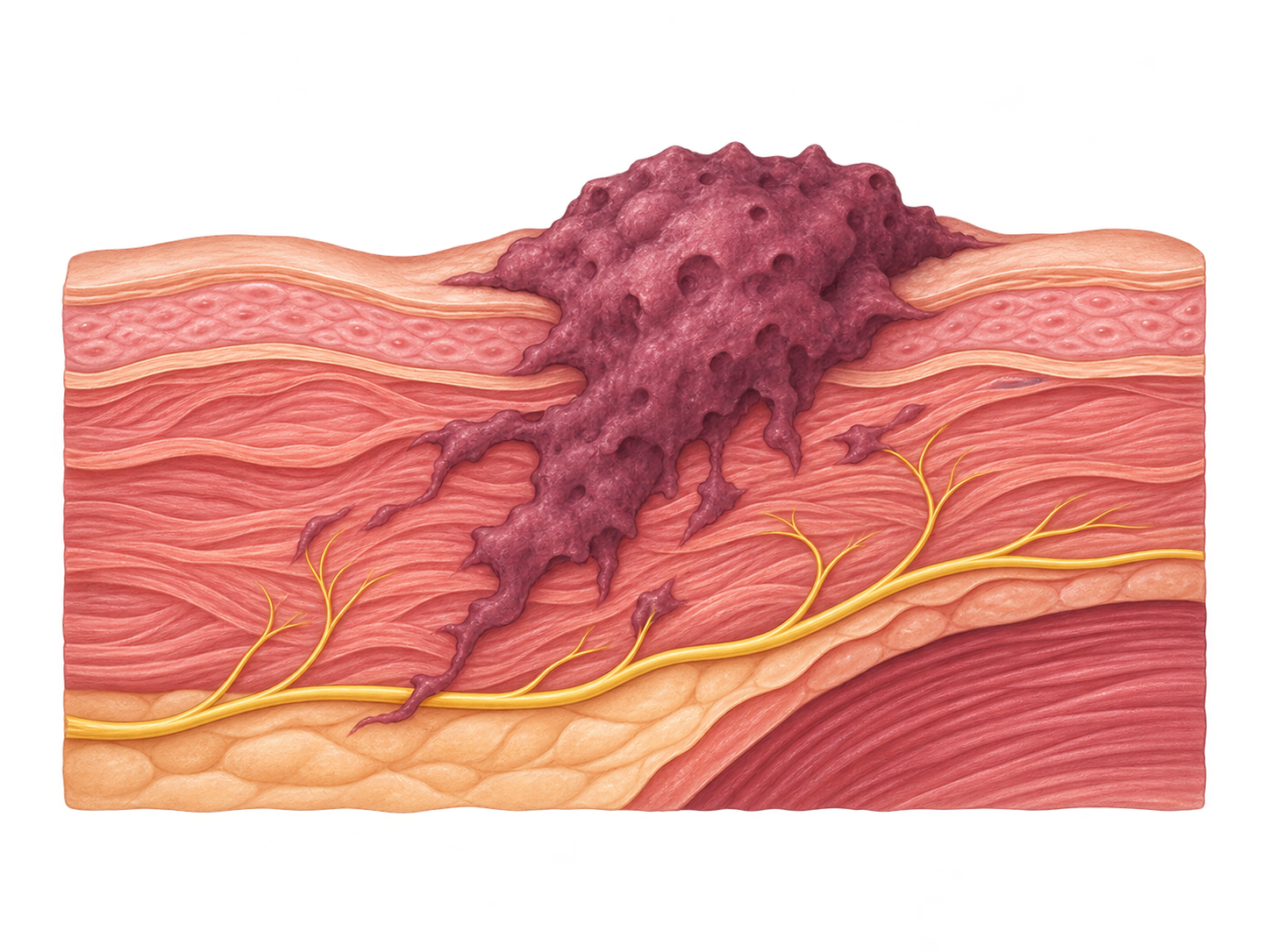
Cancer can grow into nearby tissues and cause inflammation, leading to local tenderness or deeper pain.
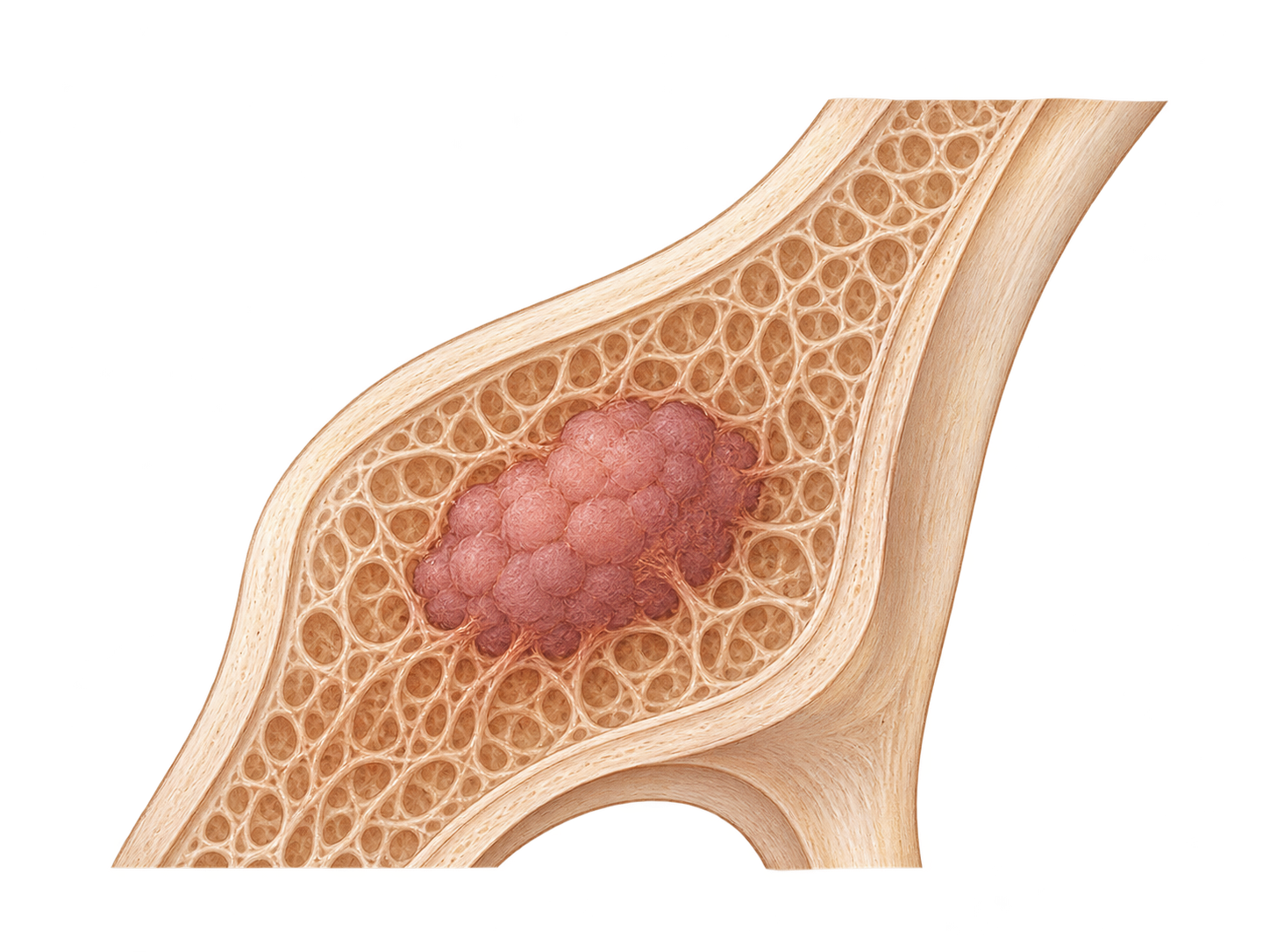
Cancer that spreads to bone or other organs may cause pain at those sites. The pattern varies with the area affected.
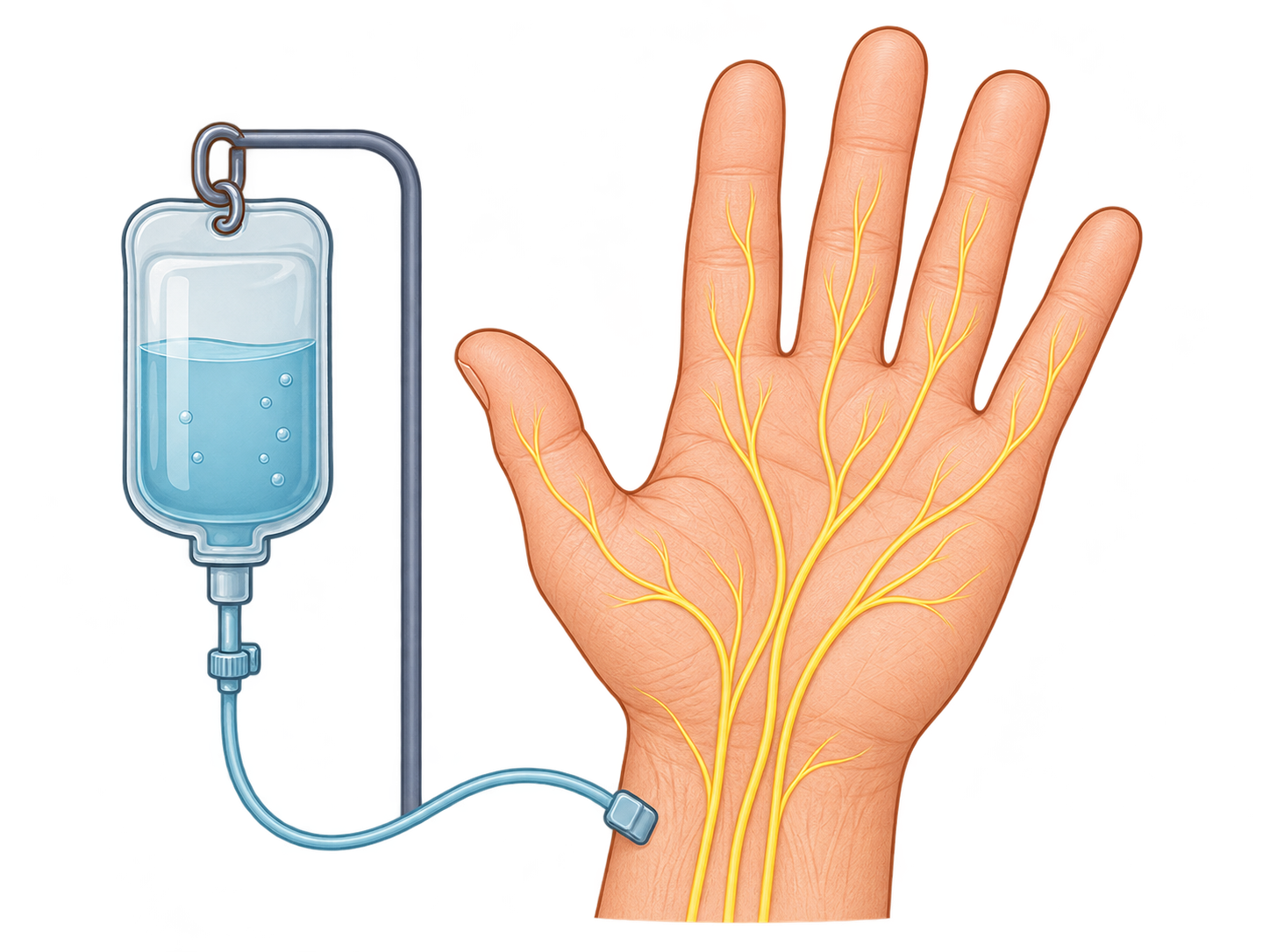
Some chemotherapy medicines can affect peripheral nerves, causing burning, tingling or numbness in the hands and feet.
Radiotherapy can cause soreness in treated tissues. Some people develop later pain related to scarring or nerve changes.
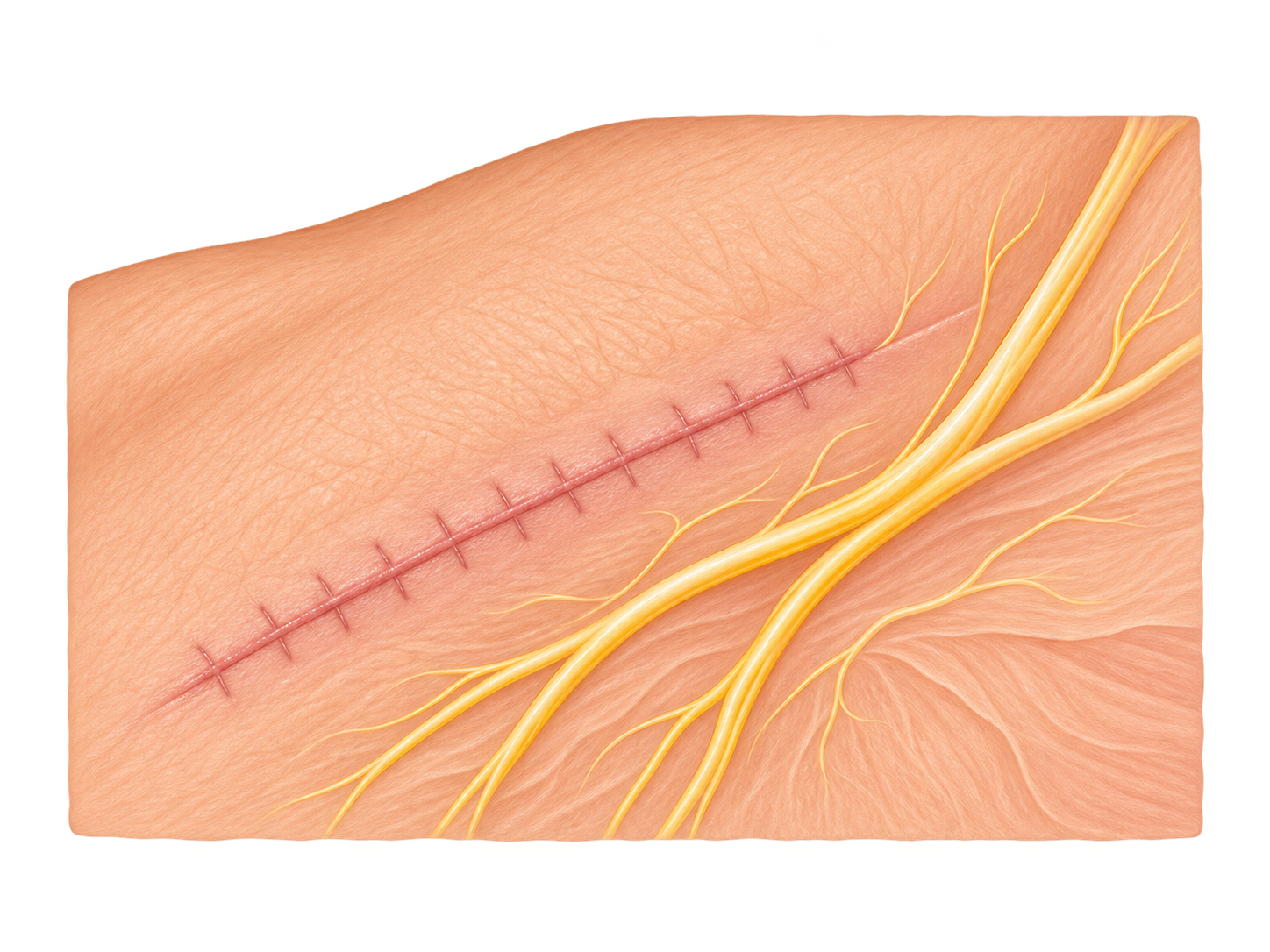
Pain can occur during healing. Sometimes nerve-related or scar pain persists after surgery and needs assessment.
AFTER RADIOTHERAPY
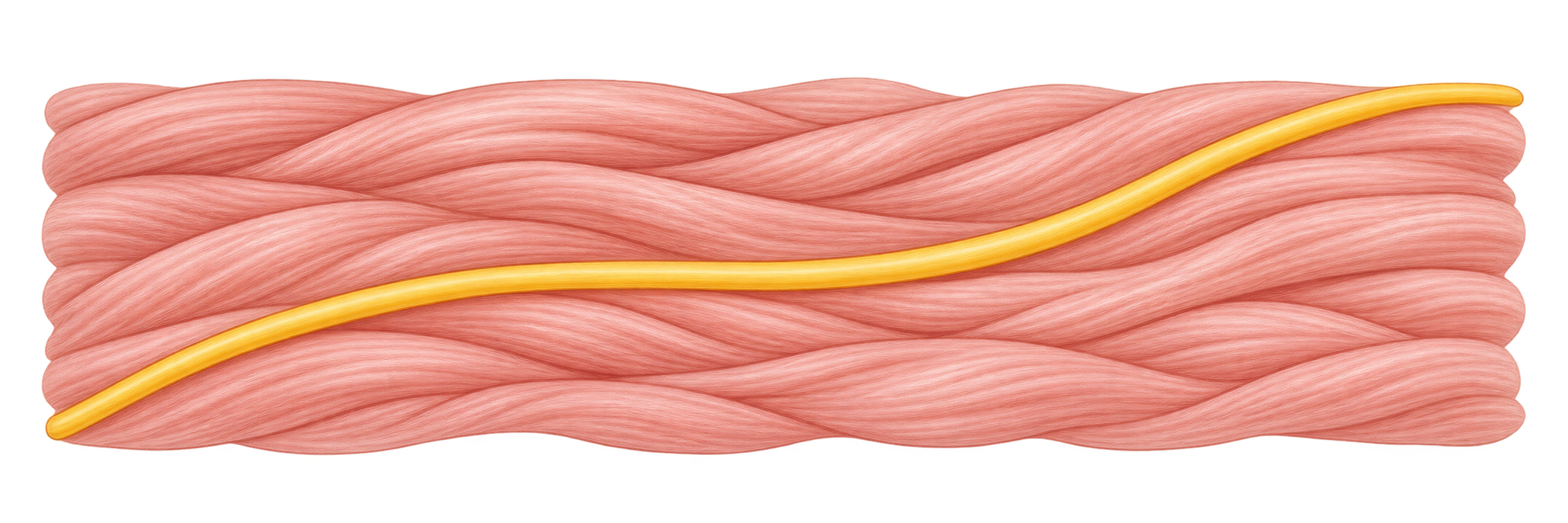
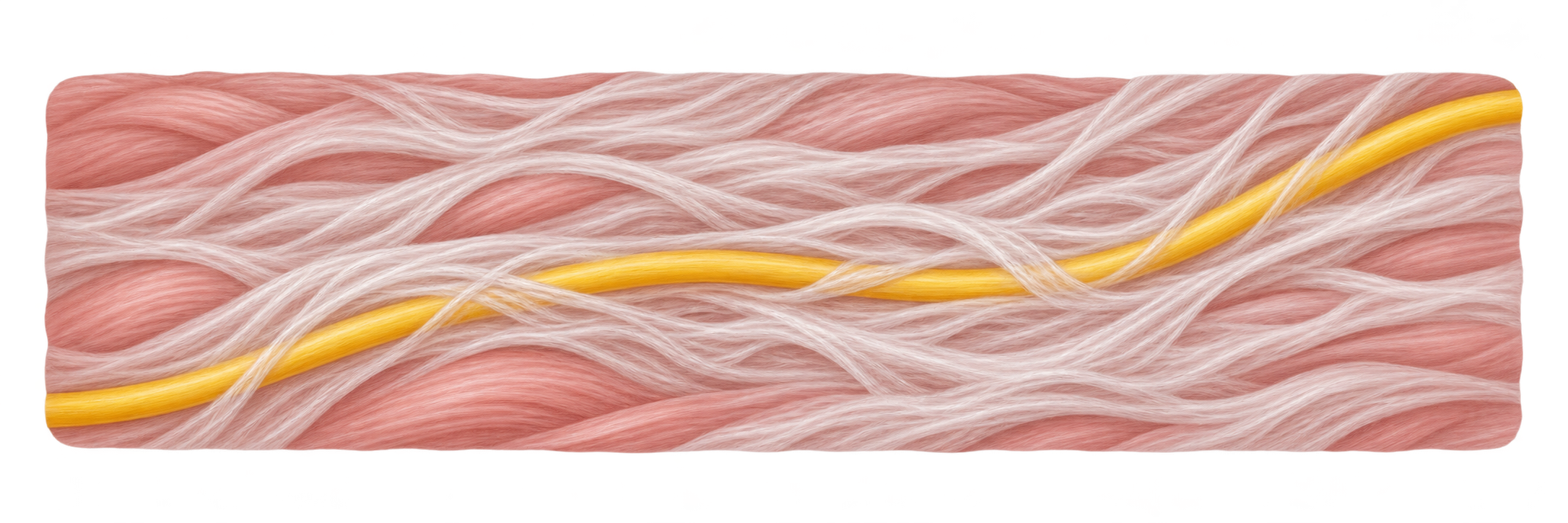
Radiotherapy can sometimes lead to scar-like changes in treated tissues. This is called radiation fibrosis. It may affect movement, comfort and nearby nerves.
Like a fabric that becomes less supple, fibrotic tissue can thicken and tighten. Symptoms may appear months or years after treatment.
New or changing pain needs assessment to check for fibrosis, recurrence or other causes.
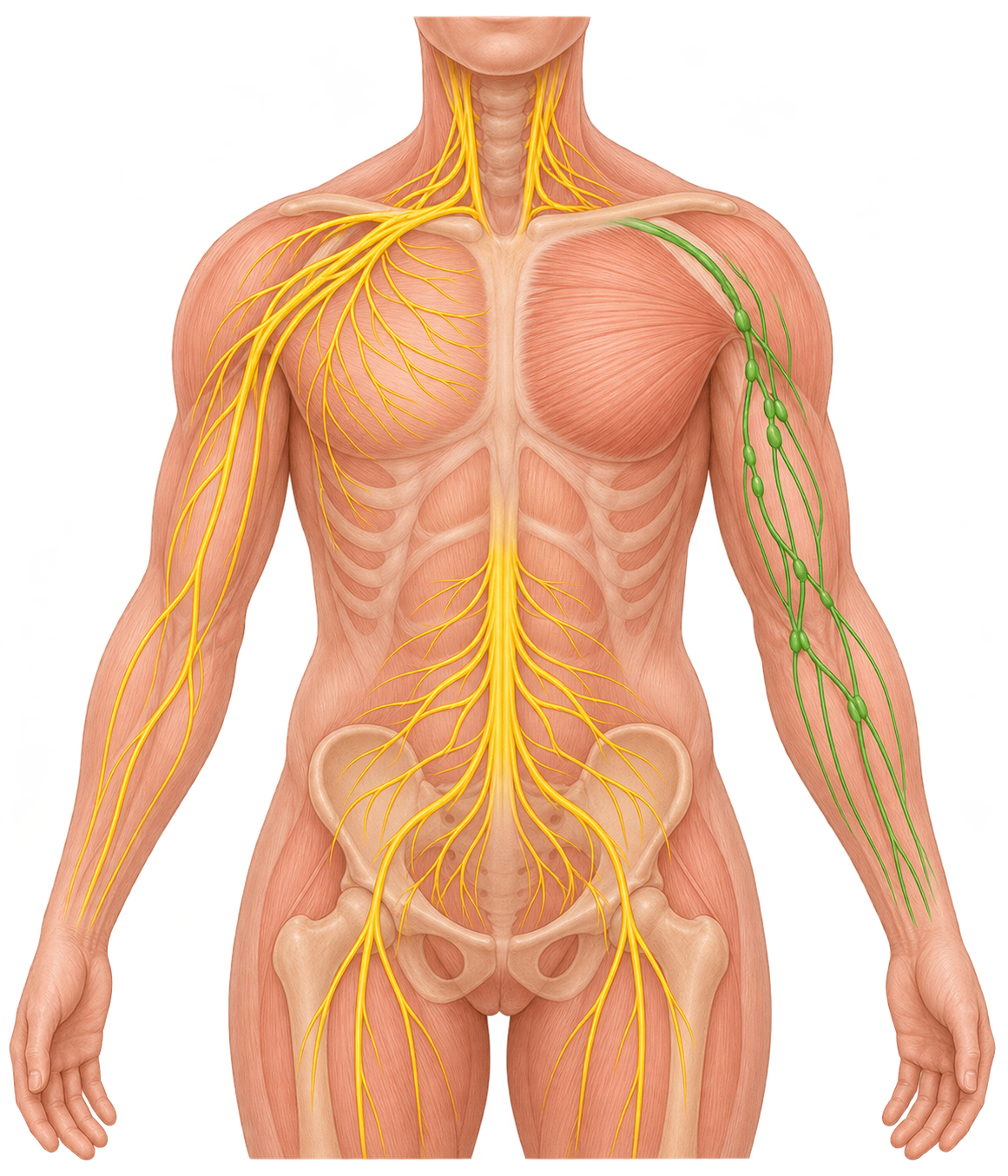
Illustrative regions · Effects depend on the area treated.
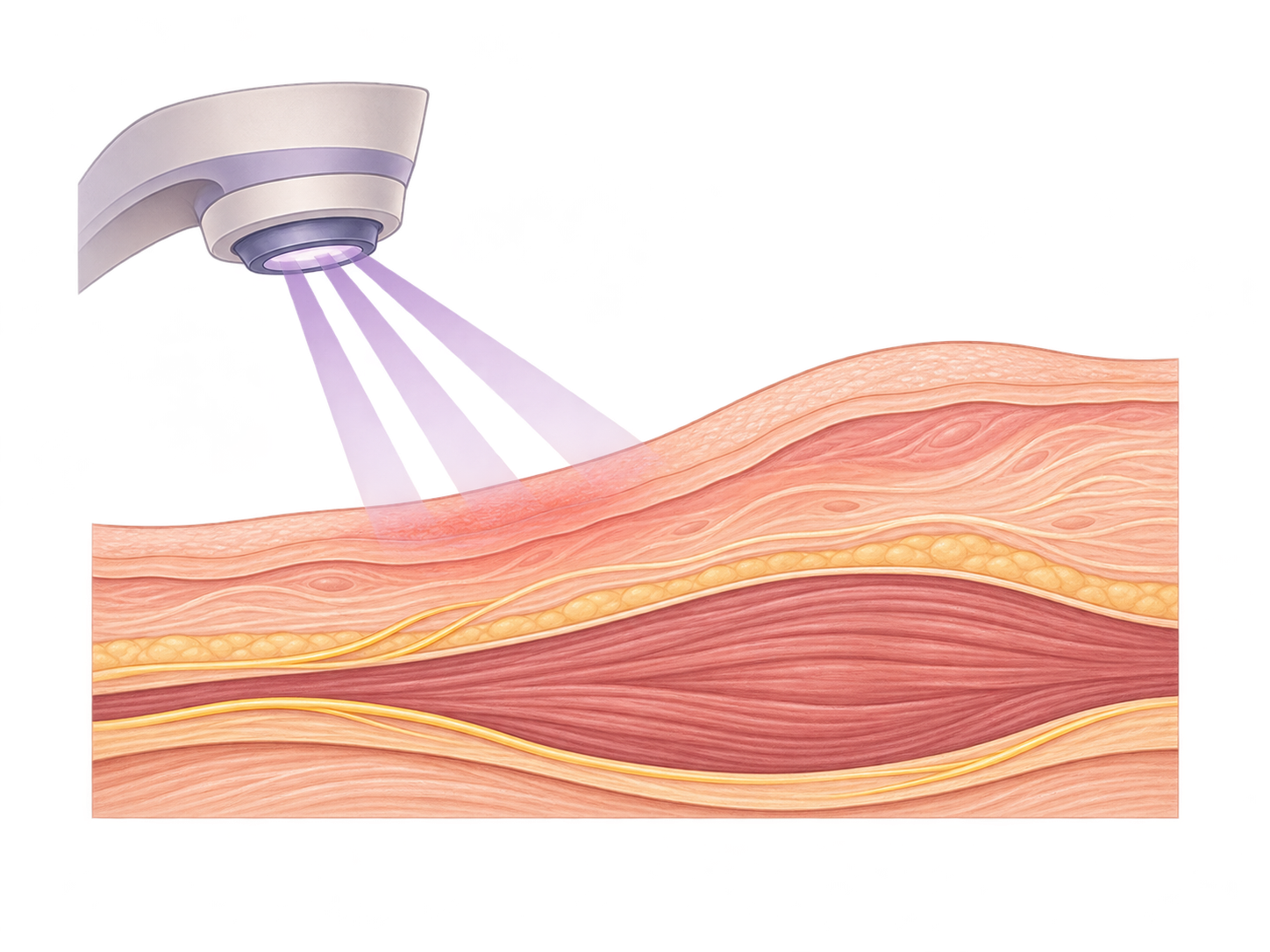
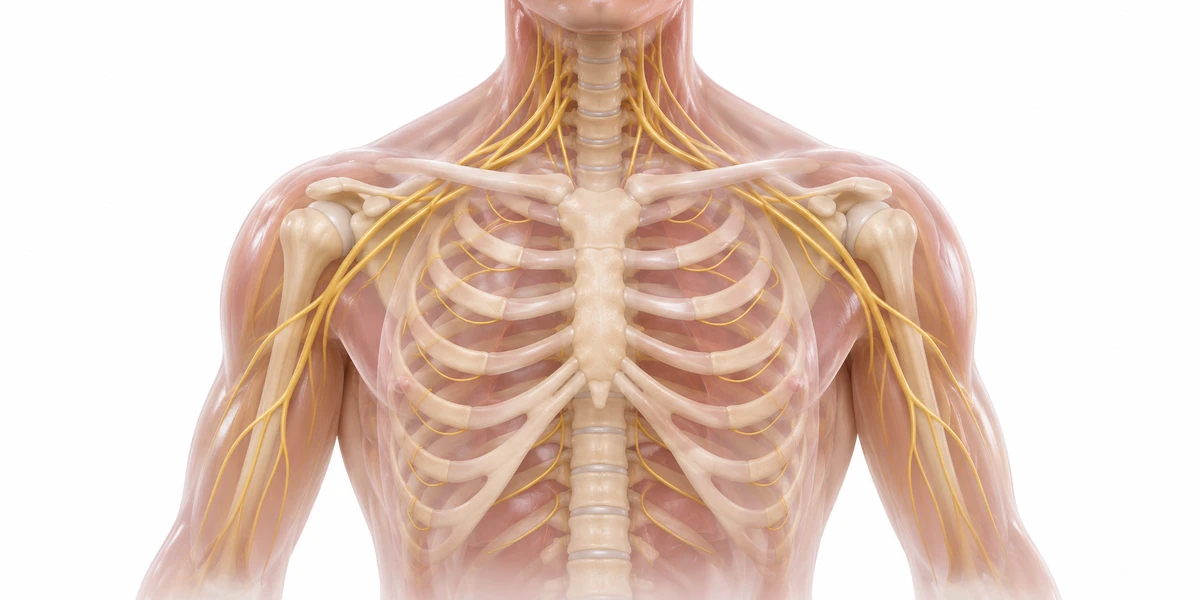
After breast, lung or underarm radiotherapy: arm pain, weakness or altered sensation.
The brachial plexus is the nerve network supplying the shoulder and arm. Symptoms after radiotherapy may need examination, imaging and sometimes nerve tests to distinguish radiation-related injury from tumour-related or other nerve problems.
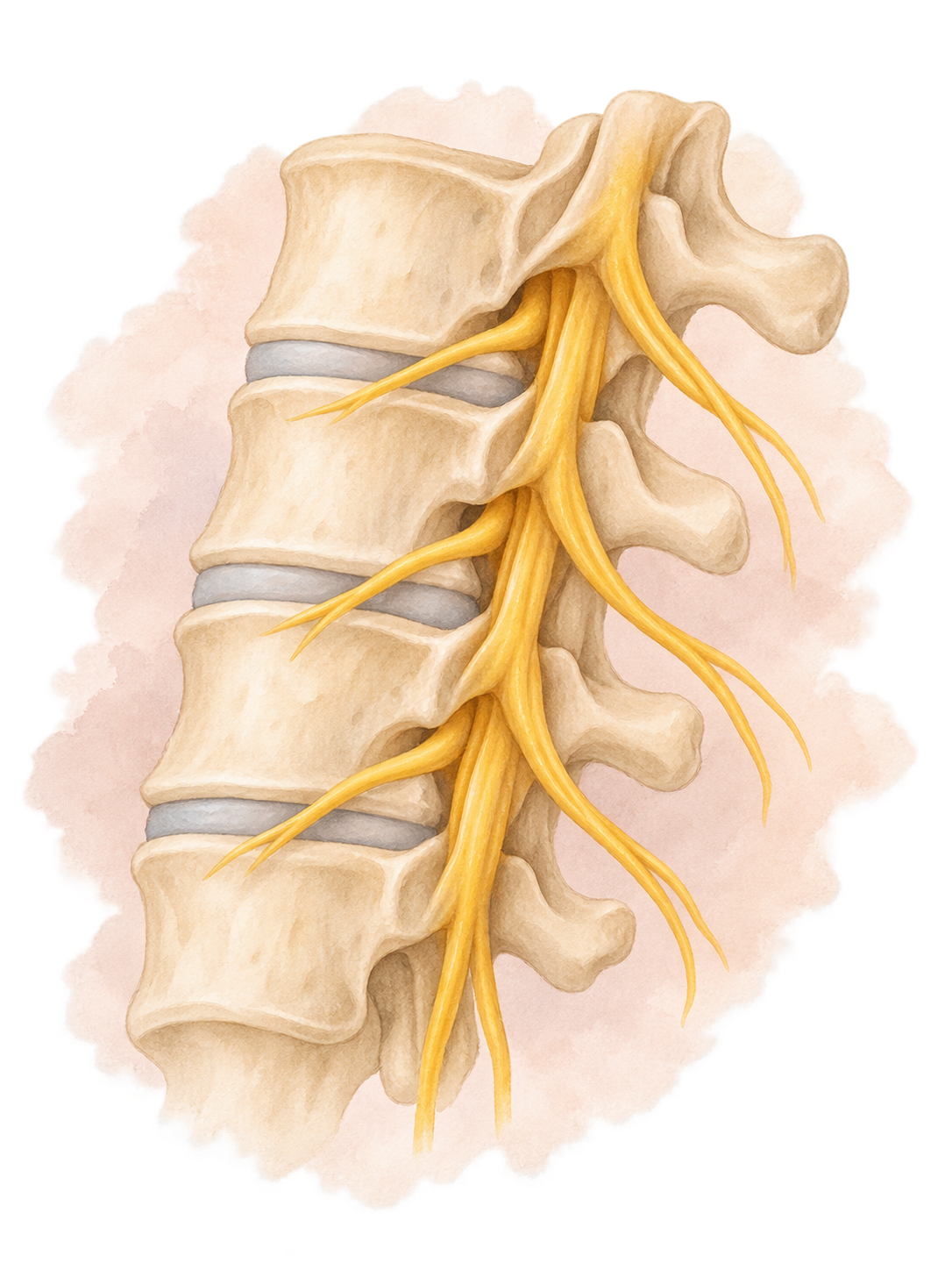
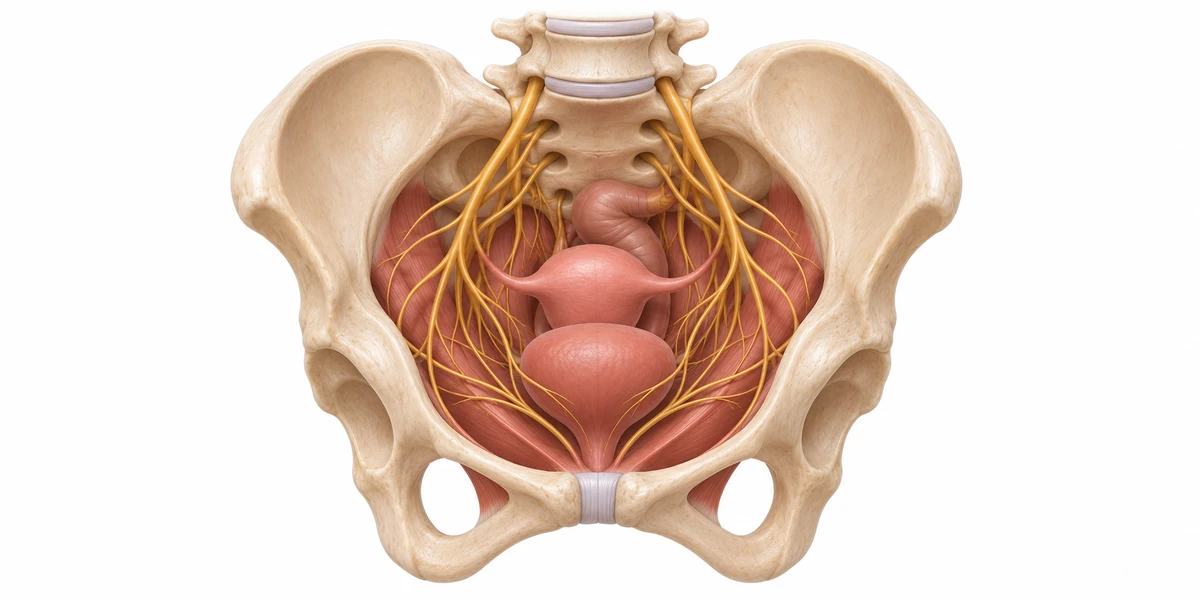
After pelvic radiotherapy: leg pain, weakness or altered sensation.
Radiotherapy for gynaecological, prostate or rectal cancers can sometimes affect the pelvic nerve network. Your team can assess leg symptoms and changes in walking. New limb weakness or loss of bladder or bowel control needs urgent assessment.
Neck stiffness, jaw tightness or swallowing difficulty after head and neck treatment.
Tightening in treated neck tissues can restrict movement, make opening the mouth difficult (trismus), or affect swallowing (dysphagia). Headache may also occur. Assessment can guide rehabilitation and referral for swallowing or jaw support when needed.
Chest tightness, discomfort or restricted movement after breast or lung radiotherapy.
Changes around chest-wall muscles and nerves can contribute to pain, tightness and restricted movement. Chest symptoms or breathlessness should be assessed rather than automatically attributed to fibrosis, because other causes may need treatment.
Rectal or pelvic pain, bowel changes and pelvic-floor symptoms after pelvic treatment.
Pelvic scarring and radiation-related rectal inflammation are related late effects with different care needs. Symptoms may include rectal discomfort, bowel changes or pelvic-floor problems. Persistent pain or rectal bleeding should be discussed with your cancer-care team.
Disrupted lymph drainage may cause swelling, heaviness and aching in a limb or treated region.
Radiation-related damage to lymph drainage can lead to swelling in an arm, leg or another treated area. This is a related late effect and is not the same as fibrosis itself. Assessment can guide specialist lymphoedema support, skin care and suitable movement or compression advice.
LIFE AFTER CANCER TREATMENT
Pain can continue after cancer treatment, even when the cancer is controlled. Ongoing symptoms are real and deserve attention.
Changes in nerves, muscles and other tissues may persist. Pain may also come from an unrelated condition. A review helps clarify the cause and plan suitable support.

You do not have to dismiss ongoing pain because treatment has ended.
Persistent scar or nerve pain, including after breast surgery.
Burning, tingling or numbness in the hands or feet.
Fibrosis or nerve changes may affect comfort and movement.
Swelling, heaviness or aching in an affected area.
Joint or muscle symptoms during or after treatment.
Arthritis, back pain or disc problems may need separate assessment.
THE WIDER IMPACT
Poorly controlled pain may affect daily life, emotional wellbeing and family routines. Tell your care team what has changed.
Pain can interrupt rest and leave you tired.
Discomfort may make eating harder.
Pain can limit activity and confidence.
Ongoing distress can add to the burden of illness.
Symptoms may make appointments and daily care harder.
Chest or surgical pain may make deep breaths uncomfortable.

Changes in sleep, appetite or activity are worth discussing with your care team.
Persistent pain may affect emotional wellbeing.
Pain can make it harder to focus.
Staying connected can become difficult.
Hobbies and everyday roles may change.
Loved ones may need support too.
Extra travel, time away from work and care costs can add pressure.
Emotional and practical concerns deserve attention alongside physical symptoms.
Opioids can be important for cancer pain. Regular review helps balance relief and side effects.
A prevention and treatment plan may be needed.
Report sedation or trouble concentrating.
These symptoms may need review, especially after changes.
Rarely, opioids may increase pain sensitivity; specialist review helps clarify this.
Longer-term use can affect hormones in some people.
Discuss concerns about dependence, side effects or stigma.
Speak with your prescriber before changing your medicine.
Care information: National Cancer Institute
EMOTIONAL SUPPORT & SHARED DECISIONS
Pain, exhaustion and distress can make treatment decisions feel overwhelming.
Your symptoms and priorities deserve to be heard.
Interrupted sleep, difficulty eating and repeated visits can make everyday life feel demanding.
Tell your oncology or pain-care team when symptoms are affecting your wellbeing or your ability to attend care.

Pain or side effects may make appointments and treatment routines harder.
Seeing a loved one in pain can leave family members unsure how to help.
Patients and families may need space to discuss benefits, burdens and personal wishes.
Low mood or anxiety can affect energy, concentration and hope.
Caregiving, travel and access to services can add practical pressure.
Support information: National Cancer Institute
GOALS OF CANCER PAIN CARE
Pain care aims to improve comfort and daily function while respecting your priorities.
Your plan is reviewed with you and your oncology team.
Where suitable, a practical plan can support comfort at home and reduce avoidable journeys, while keeping necessary reviews.
Investigations are chosen when they are expected to guide assessment or treatment.
Regular review helps balance pain relief, alertness and medicine side effects. Other approaches may be considered when appropriate.
Goals may include meals with family, better rest, easier movement or taking part in cancer care, according to your wishes.
Supportive care can sit alongside cancer treatment.
Discuss your care goalsCare information: National Cancer Institute
CANCER PAIN TREATMENT
The ladder is a guide. Your symptoms, response and side effects help shape the plan.
Typical mild pain / NRS 1–3.
Non-opioid medicines may help mild pain or support other treatments.
Examples: Paracetamol / Ibuprofen / Naproxen / Celecoxib (COX-2)
Typical NRS 4–6.
Codeine or tramadol may be considered; the clinician may choose other opioid options according to need.
Examples: Codeine / Tramadol
Low-dose oral morphine or tapentadol: selected individually by the clinician.
Typical severe pain / NRS 7–10.
Choice, route and dose are reviewed for relief and tolerability.
Examples: Oral/IV morphine / Oxycodone / Fentanyl patches / Hydromorphone / Buprenorphine patches / Methadone
Selected interventional procedures can be considered when appropriate, including alongside medicines.
Not an original WHO ladder step.
You do not have to pass through every step. Assessment guides the starting point and review.
Medicine choices and procedures need individual assessment. Benefits, side effects and risks are reviewed with your care team.
MEDICINES & ADJUVANTS
Different medicines can address different pain mechanisms. Your plan is reviewed as symptoms and needs change.
Selected medicines may help burning, tingling or shooting pain. Choice depends on the cause and tolerability.
Examples: Gabapentin / Pregabalin / Duloxetine / Amitriptyline.
Dexamethasone may help pain linked to inflammation or swelling in selected situations. Duration and side effects need review.
Examples: Dexamethasone.
Zoledronic acid or denosumab may be used in selected metastatic bone disease to reduce bone complications. Suitability and monitoring are important.
Examples: Zoledronic acid / Denosumab.
Baclofen, tizanidine or diazepam may be considered for selected painful muscle spasm. Sedation and interactions are reviewed.
Examples: Baclofen / Tizanidine / Diazepam.
Lidocaine patches, capsaicin or topical diclofenac may be options for selected localised pain. Evidence and suitability vary by condition.
Examples: Lidocaine patches / Capsaicin / Topical diclofenac.
Medicines are selected individually; this is not a list to take together.
Discuss your medicinesSPECIALIST OPTIONS & RESEARCH

Evidence & symptom review
THC and CBD are being studied for cancer symptoms. Evidence for cancer pain remains insufficient. Dronabinol or nabilone may help selected chemotherapy-related nausea after usual treatment has not worked. Review interactions and local availability with your team.
Specialist review
Sometimes considered off-label for difficult cancer pain in a supervised setting. Evidence of benefit is limited, and side effects require careful selection and monitoring. It is not a routine next step for everyone.
Individual selection
Ziconotide is a specialist intrathecal option for selected severe refractory pain, with important neurological and psychiatric risks. Tapentadol is an opioid option selected individually. Low-dose naltrexone remains investigational for cancer pain.
Oncology-led care
Anti-NGF therapies have been investigated; the tanezumab development programme was discontinued. Radium-223 is an oncology-led option for selected prostate cancer with symptomatic bone metastases, not a general cancer-pain medicine.
Availability, suitability and cost differ. We discuss realistic options with your oncology team.
Specialist use and research are different. Individual assessment is essential.
INTERVENTIONAL PAIN CARE
Selected procedures may be considered when cancer pain remains difficult to control or medicine side effects are troublesome. The pain source, anatomy and your priorities guide the choice.
Image-guided treatment targeting the coeliac nerve network may be considered for pancreatic and selected gastric, liver or biliary cancer pain. The potential benefit and risks are reviewed individually.
A different nerve target may be considered for selected abdominal cancer pain, including when anatomy has changed after treatment. Neurolysis or radiofrequency ablation is chosen after specialist assessment.
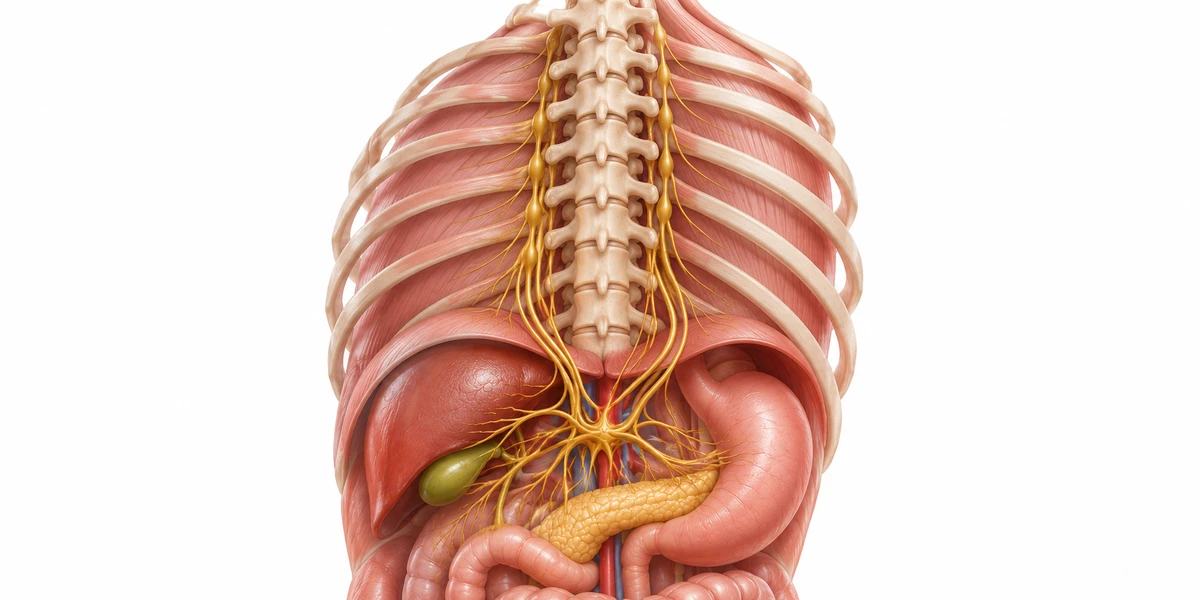
Superior hypogastric plexus block may be considered for selected pelvic cancer pain. Ganglion impar block targets selected perineal pain. The pain pattern guides selection, including in gynaecological, colorectal, bladder or prostate cancers.
Selected procedures are tailored to the pain location and mechanism after specialist assessment.
SPINAL METASTASES & COORDINATED CARE
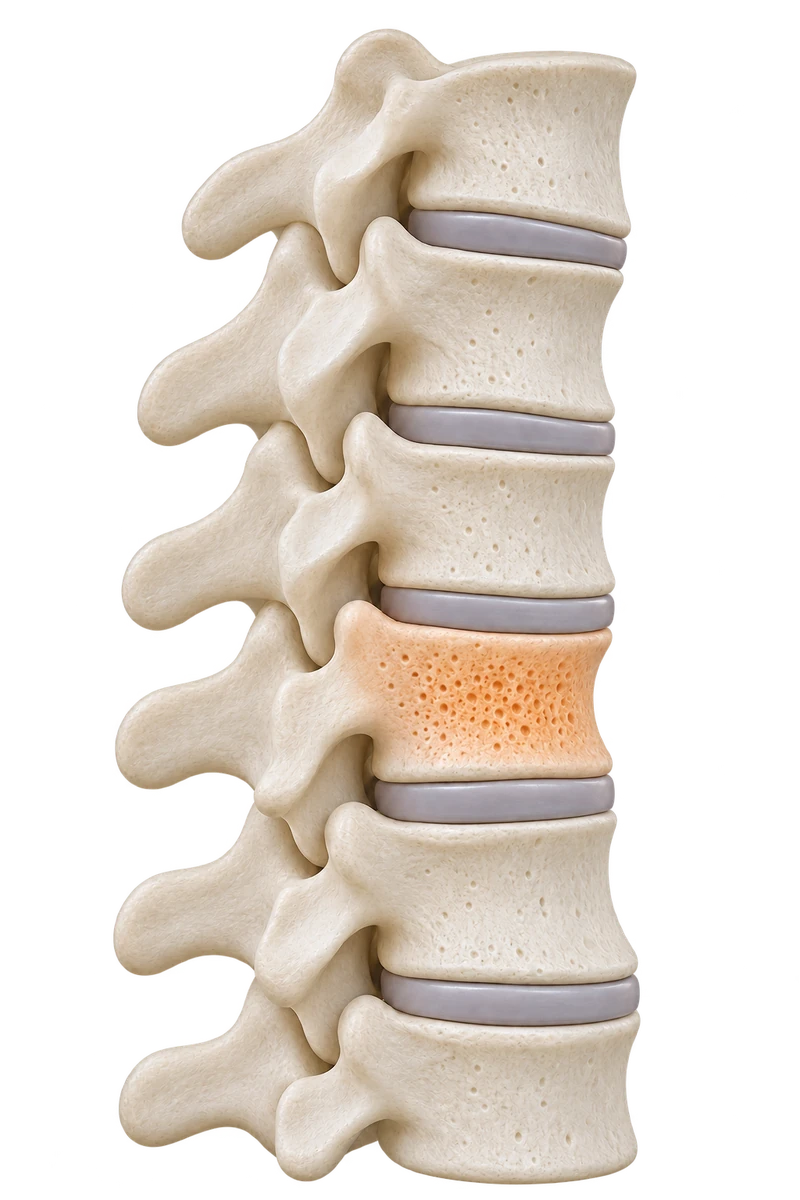
Bone cement is used to support a selected weakened or fractured vertebra.
A balloon creates space before cement is placed; height restoration is not guaranteed.
These procedures may help selected painful vertebral fractures. Benefits and risks, including cement leakage, are reviewed before a decision.
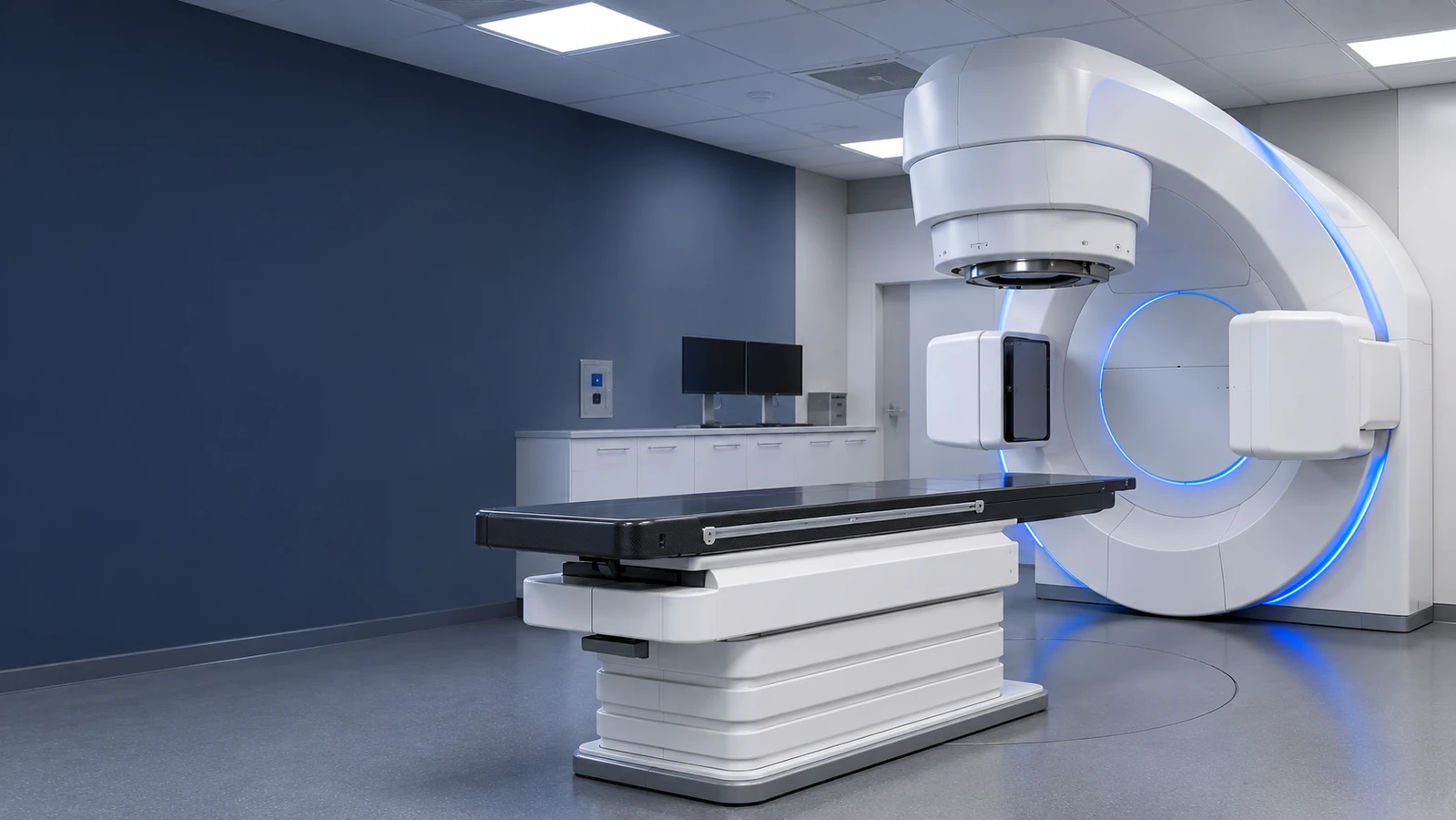
Oncology-led treatment may target the spinal tumour and help pain.
The team coordinates treatment according to stability, neurological findings and overall care needs. Radiotherapy is not always first; surgery or other support may be needed.
Movement, recovery and medicines are reviewed with the team.
New weakness, difficulty walking or loss of bladder/bowel control needs emergency assessment.
Source: NICE NG234.
ADVANCED DRUG DELIVERY
Epidural or intrathecal delivery may be considered when cancer pain remains difficult to control or medicine side effects are troublesome. Specialist assessment guides the route, medicines and device.
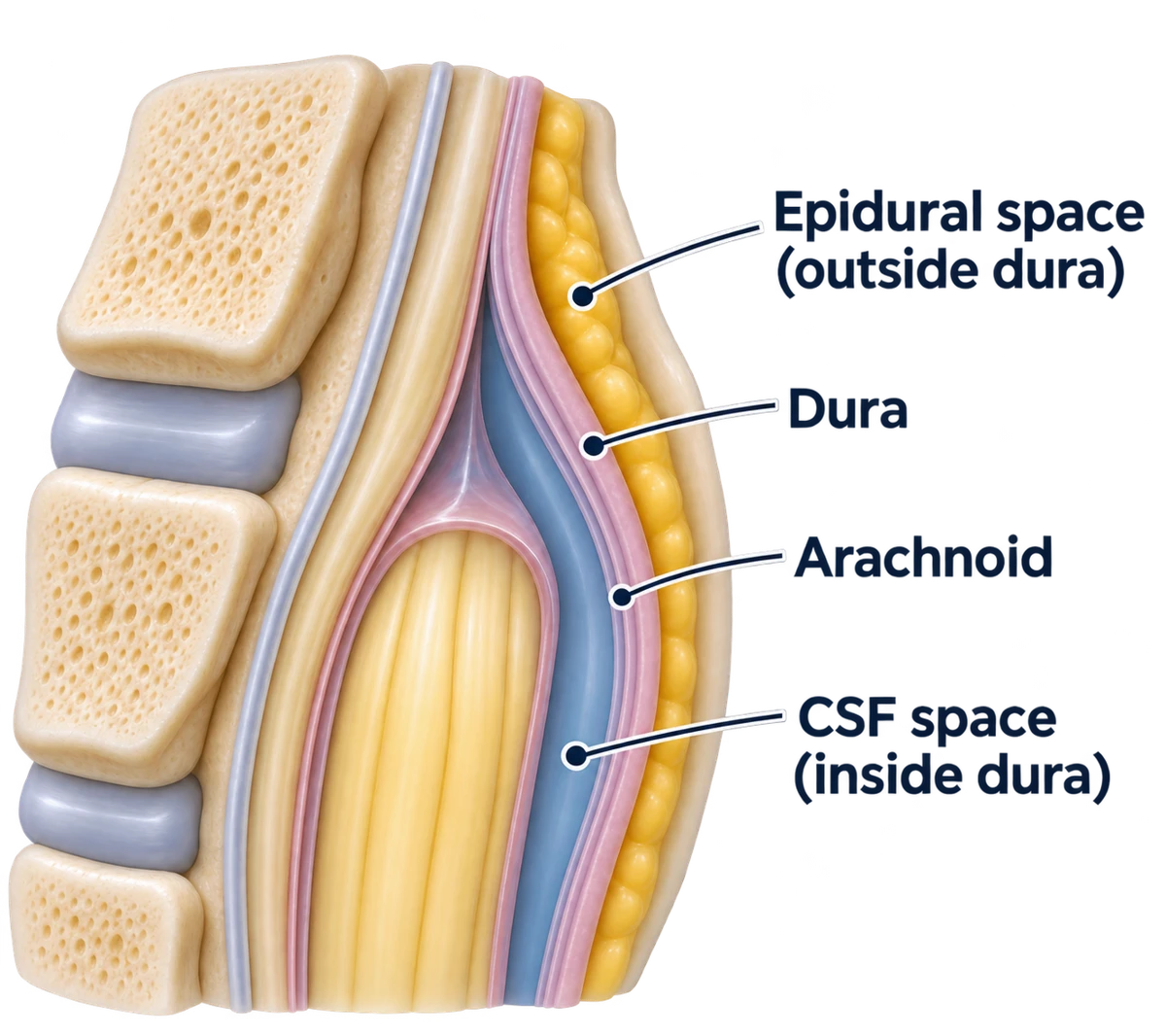
Medicine is delivered through a catheter into the epidural space, outside the dural sac. Usually connected to an external infusion pump.
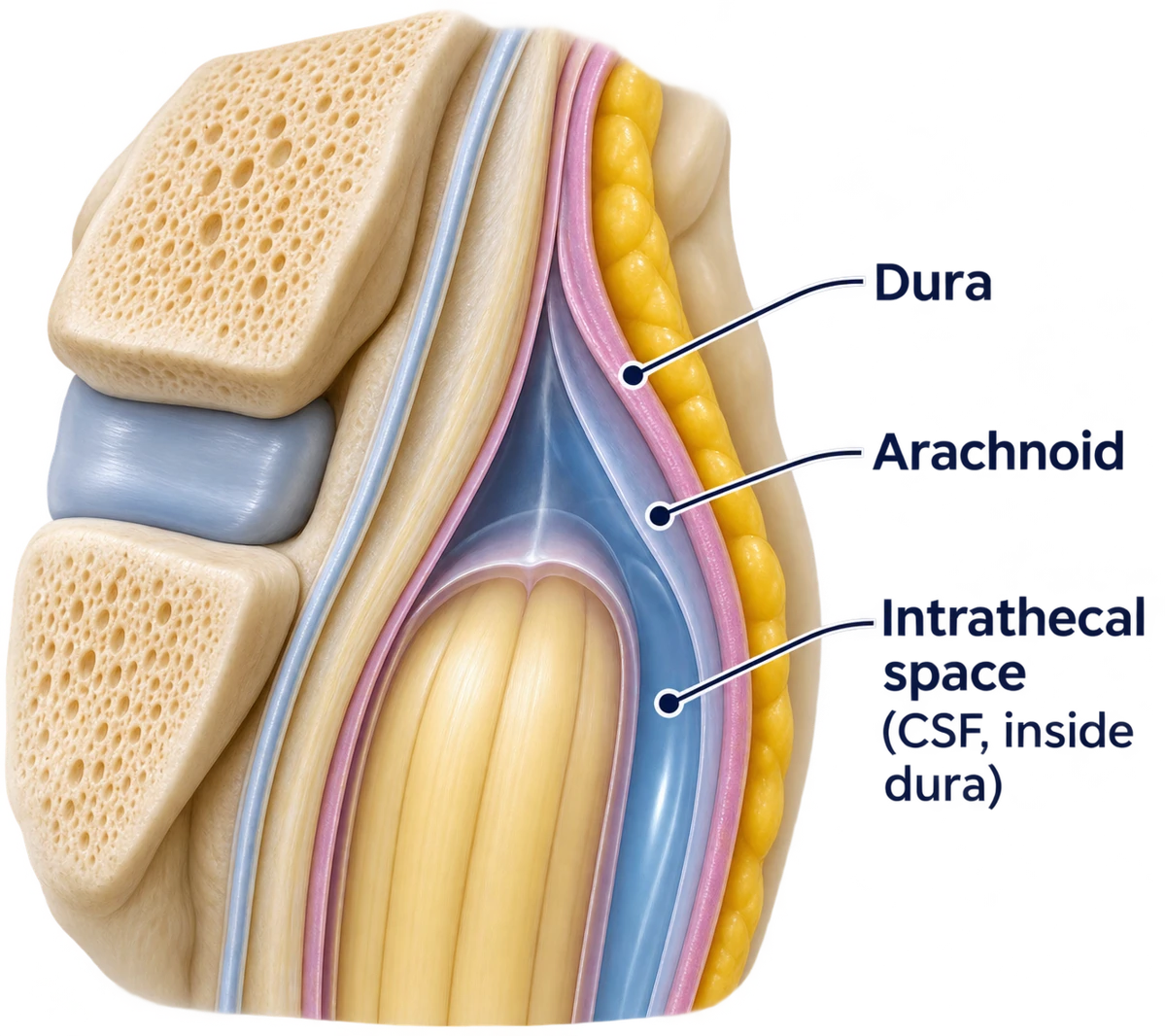
Medicine is delivered through a catheter into the fluid around the spinal cord, inside the dural sac. The catheter is not placed in the spinal cord itself.
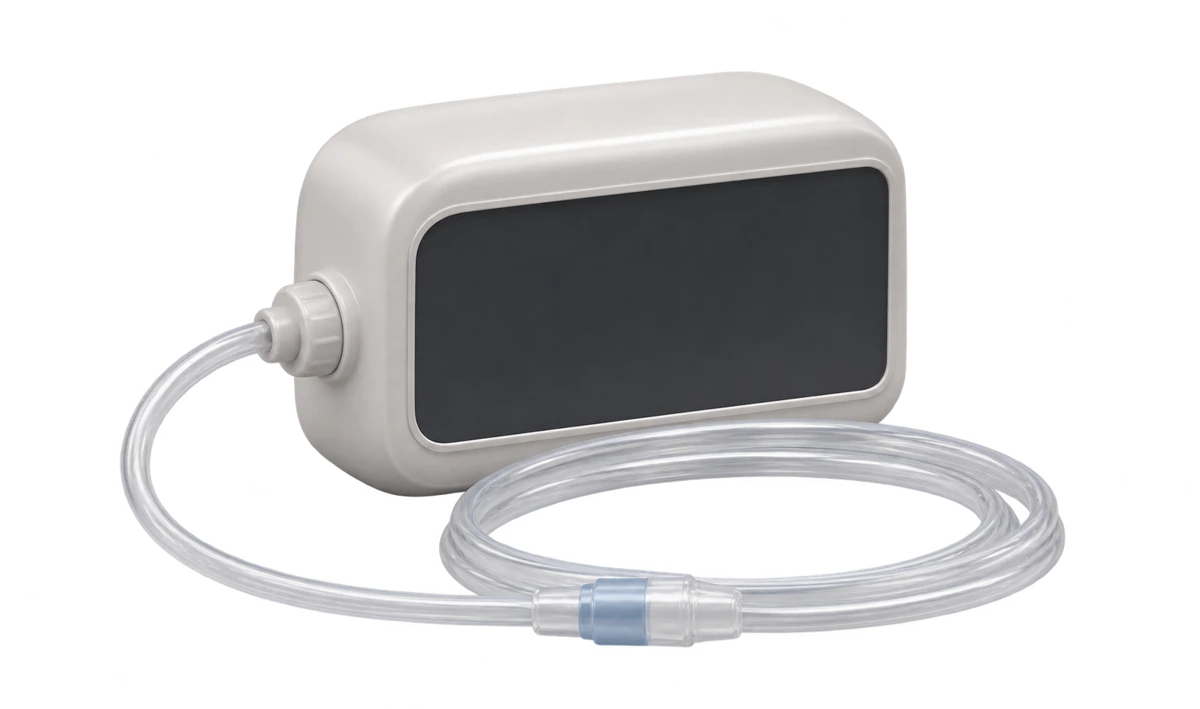
A catheter connected to a pump outside the body may be considered for selected patients. Home care requires training, nursing arrangements and regular review.
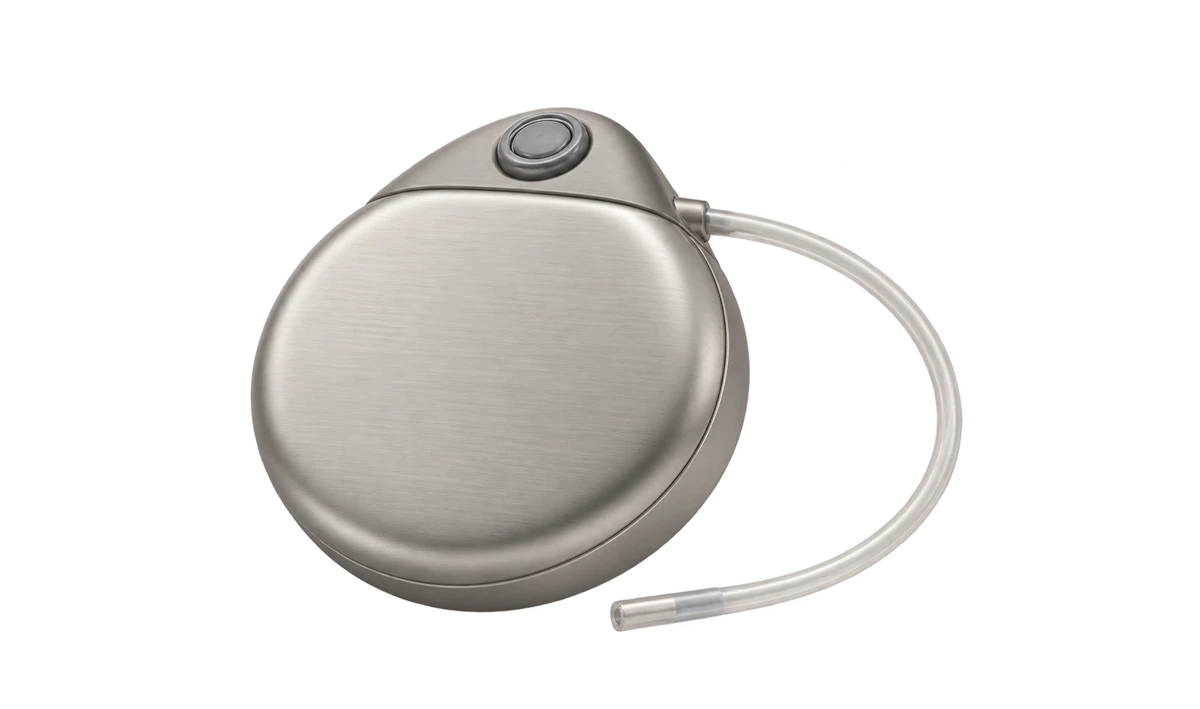
A programmable pump beneath the abdominal skin delivers medicine through an intrathecal catheter. Refills and specialist follow-up are needed.
Route and device are separate choices. Your team considers symptoms, anatomy, health, preferences, practical support and access.
At IBAP, external catheter-and-pump options can be discussed where suitable. Device choice includes treatment goals, procedure fitness, expected care needs, availability and total cost.
These systems need careful monitoring. Infection, bleeding, medicine-related and device-related complications are possible.
Discuss advanced pain careSource: NCIBritish Pain Society.
PATIENT-CONTROLLED ANALGESIA
PCA lets suitable patients request a prescribed dose through a pump. Your clinical team sets the dose, timing and limits, and monitors your response.
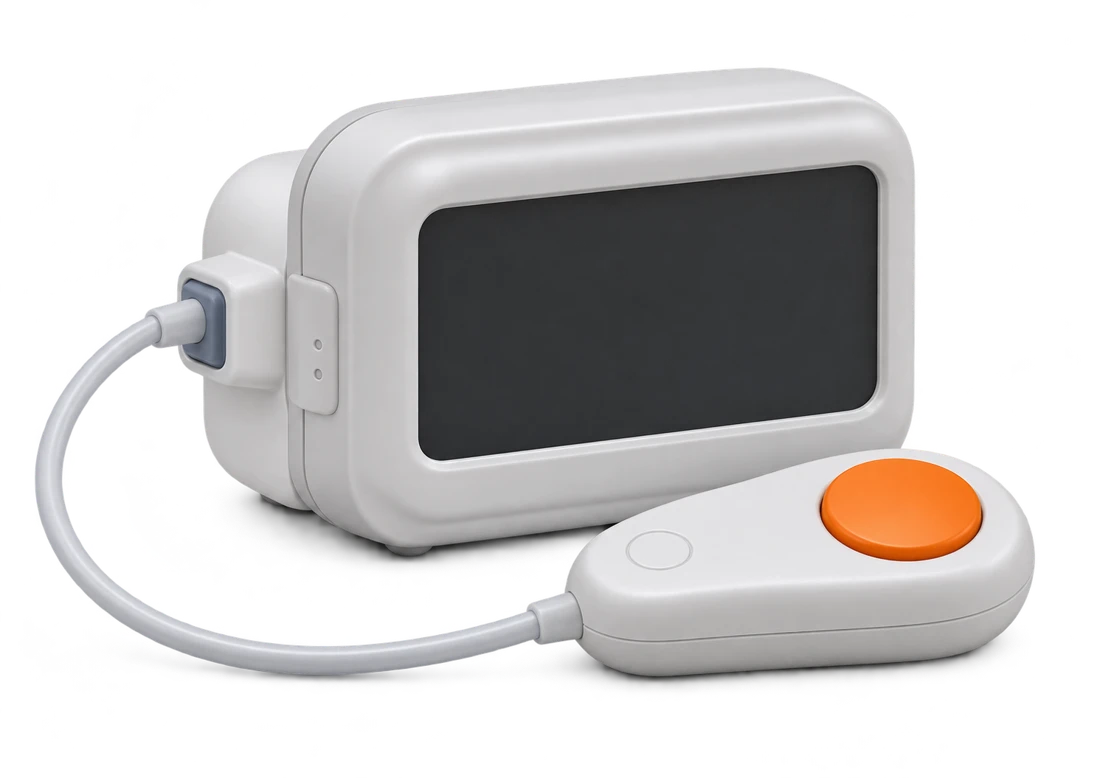
Press the patient button when you need extra pain relief, as instructed by your care team.
Programmed timing and dose limits control when another prescribed dose can be delivered.
Your care team reviews pain relief, medicine use and side effects, and adjusts the plan if needed.
Delivers pain medicine through a vein (intravenous).
Delivers pain medicine beneath the skin (subcutaneous).
Delivers pain medicine into the epidural space, outside the dural sac.
Delivers pain medicine into the fluid around the spinal cord (intrathecal).
Often used in hospital when oral medicines are unsuitable or pain needs close review. Medicine choice and settings are individual, with monitoring for side effects.
A small cannula beneath the skin can be an option in selected home or hospice care plans. It avoids the need for repeated access to a vein, but still needs clinical oversight and support.
Patient-controlled doses may be combined with a continuous epidural infusion for selected chest, abdominal or pelvic pain. A specialist chooses the medicines and monitors their effects.
Selected systems allow prescribed additional doses alongside continuous delivery through an intrathecal catheter. The catheter lies in spinal fluid, not in the spinal cord; specialist assessment and follow-up are essential.
PCA is not suitable for everyone. Monitoring remains necessary: programmed limits do not remove the risk of medicine-related side effects.
Only the patient should press the PCA button.
For selected patients only, PCA may be managed at home with suitable training, monitoring and ongoing support from your pain team.
CONTINUOUS PERIPHERAL NERVE CATHETERS
A fine catheter near a selected nerve can deliver local anaesthetic continuously. A specialist assesses whether this approach fits the location and cause of your pain.

A catheter near the brachial plexus may provide ongoing relief for selected cancer-related shoulder and arm pain, such as tumour infiltration, axillary or supraclavicular lymph node metastases, or pain after mastectomy. Assessment guides whether a catheter is appropriate.
A paravertebral catheter may be considered for pain on one side of the chest wall, including pain associated with rib metastases. The team weighs its suitability against other regional or epidural approaches; benefits and risks vary.
Selected femoral or sciatic nerve catheters may help pain involving the leg, including tumour infiltration, pain after limb-salvage surgery, or some amputation-related pain. Temporary weakness and numbness affect mobility, so a plan to protect the limb is important.
Catheters near selected intercostal nerves may be considered for localised rib and chest wall pain, including mesothelioma, rib metastases or pain after thoracotomy. The number and location of treated areas are chosen individually.
A cervical plexus catheter may be considered for selected pain in the superficial neck region, including nerve involvement or pain after neck dissection. Head and neck pain has many possible sources; a specialist assessment determines the appropriate target and approach.
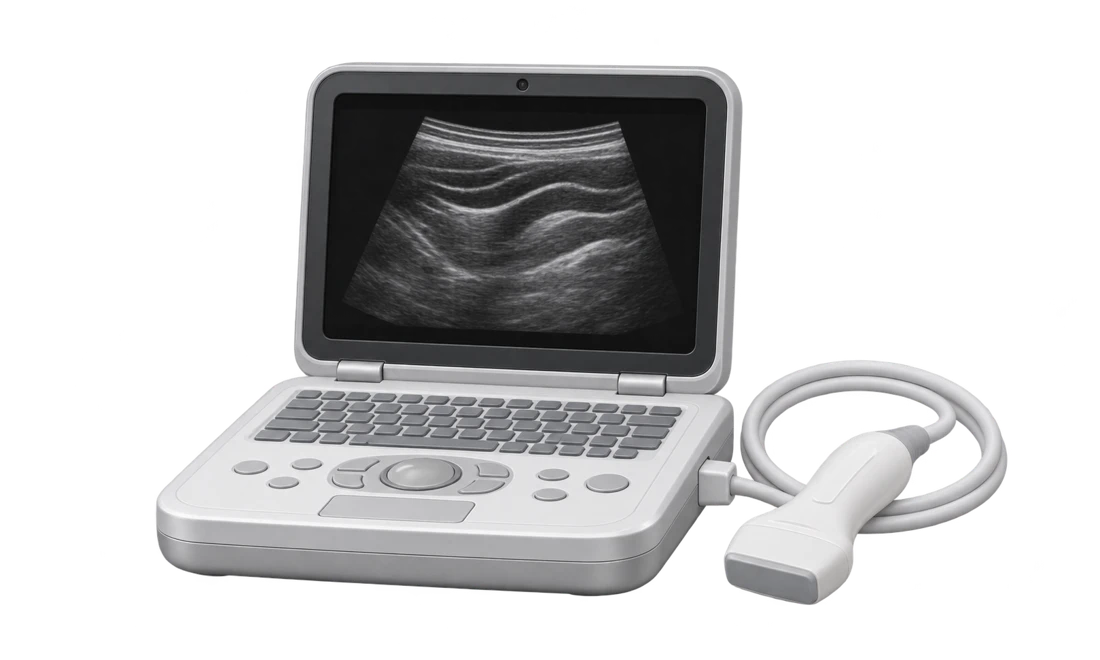
Placement is planned with imaging guidance. Ongoing checks remain essential.
In suitable cases, a catheter may be managed at home with training, support and follow-up from your team.
Temporary numbness or weakness can occur. Protect the affected area and follow your care team’s instructions.
Patient information: PCA and nerve block catheters — Memorial Sloan Kettering Cancer Center.
THE IBAP APPROACH
Specialist pain care alongside your cancer treatment, with attention to comfort, daily life and what matters to you.
Dr Vijay’s pain medicine and anaesthesia training in the UK.
Selected procedures based on assessment.
Suitable patients with training and ongoing support.
Care coordinated with ongoing cancer treatment.
Banjara Hills & Madeenaguda.
Benefits, risks and realistic goals discussed with patient and family.

Founder, IBAP Clinics ·
Pain Physician
MBBS, DA, FRCA (UK), FFPMRCA, CCT
Neuromodulation & Advanced Pain Research Fellowship (London) · MBA (HM)
View full profileYOUR QUESTIONS
Common questions about cancer pain and its management, answered in simple terms.
Cancer and its treatments can affect nerves, bones and other tissues. More than one pain mechanism may be involved, so an individual assessment helps guide care.
If you’re experiencing pain, discuss your symptoms, concerns and treatment options with your oncology or pain-care team.
Patient information: NCIGuidelines and key sources that inform cancer pain care.
References support the information; care is individual.