Helpline :
9807 55 6789
-
Call Us Now: 9807 55 6789Call Us Now: 9807 55 6789
Cricket shoulders, badminton elbows, gym knees, and the middle-aged Sunday sportsman a comprehensive, empathy-first guide to non-surgical sports injury care in Hyderabad.
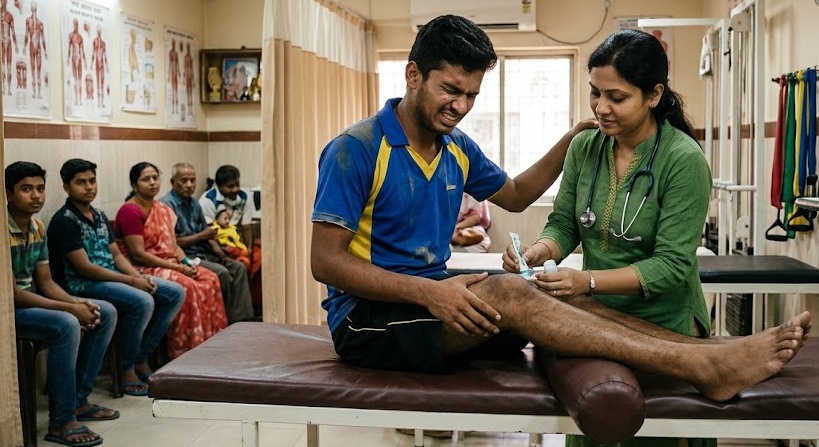
Sports injury prevalence in a Lucknow region cross-sectional study
Of recreational sports injuries are preventable with proper warm-up and load management
Higher re-injury risk when returning to sport before rehabilitation is complete
There is something wonderful happening in Indian cities. People are exercising. After decades of watching sport rather than playing it cricket from a sofa, badminton on a television screen there is a genuine movement towards physical activity. Gyms have appeared on every second street in Hyderabad. Corporate office complexes in HITEC City and Gachibowli have badminton courts. Apartment complexes in Kondapur and Manikonda host evening cricket tournaments. Marathon running groups are forming in Jubilee Hills and Banjara Hills. This is genuinely good news.
But good intentions can meet unprepared bodies with painful results. And that is exactly what we are seeing in the clinic. A forty-two-year-old software engineer from Madhapur who played cricket every Sunday for three weeks after ten years of near-total inactivity. A nineteen-year-old girl preparing for NEET and the boards, and the entrance exam, and the tutor’s weekly tests who joined a gym to “manage stress” and overloaded her lower back within a month. A forty-eight-year-old woman from Madeenaguda who resumed Zumba classes after her children left for college, and twisted her ankle on the second day. These are real people. Their pain is real. And in almost every case, the injury was both treatable without surgery and, with a bit more preparation, preventable.
A recent cross-sectional study from the Lucknow region reported an overall sports injury prevalence of 48.5%, with higher rates in contact sports such as football and wrestling. Lower-limb injuries accounted for nearly half of all reported injuries. These numbers are not surprising to anyone working in sports and musculoskeletal medicine in India. What the statistics do not capture is the human cost the person who cannot sit comfortably in an auto-rickshaw, the father who cannot play with his children, the woman whose knee pain makes climbing the stairs of her apartment building a daily ordeal.
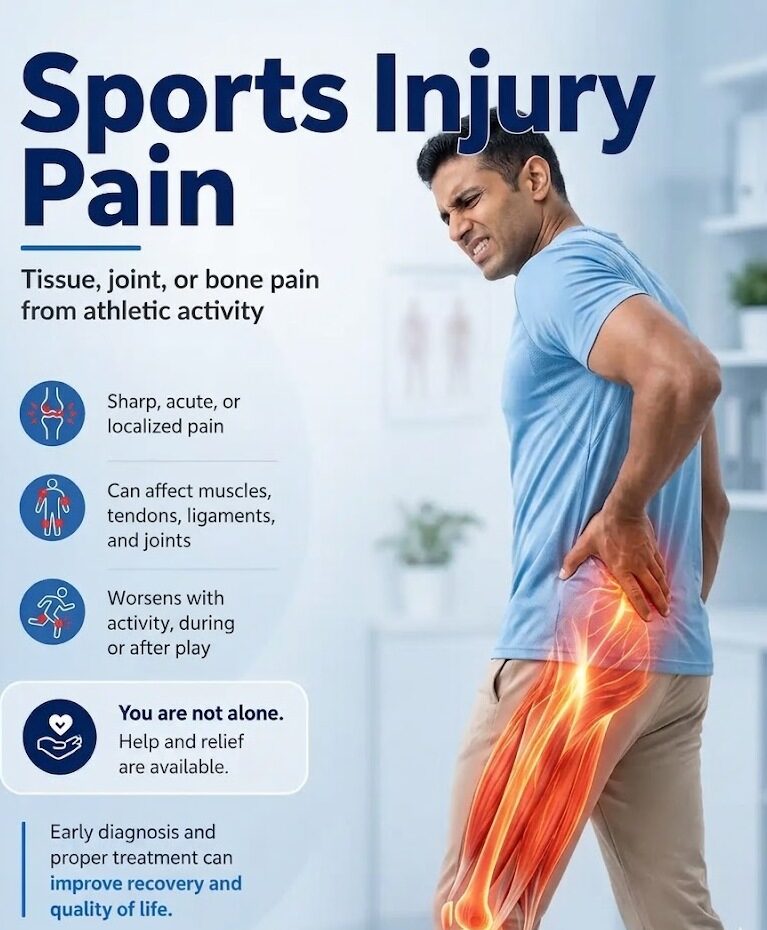
The Indian fitness boom is creating a new wave of sports injuries not in elite athletes, but in ambitious, active, everyday people software professionals, homemakers, students, and the so-called “weekend warriors” who condense an entire week’s exercise into Saturday and Sunday. The tissue cannot tell the difference between ambition and overload.
Managing sports injuries in India is not simply a matter of applying Western guidelines to a different geography. The context here is genuinely different, and any honest clinician has to acknowledge that.
Stress levels in Indian urban life particularly in Hyderabad are extraordinarily high. Students preparing for NEET, JEE, CA exams, or competitive school board rankings carry pressure that would exhaust a full-grown professional. The study that starts before dawn, the extra classes, the parental expectations layered on top of a child’s own ambitions this creates chronic muscular tension, disrupted sleep, poor posture over textbooks and screens, and a nervous system that is rarely at rest. Teenagers presenting with neck pain, upper back tightness, and even early headaches from cervicogenic origins are not rare. These children are not fragile they are under genuine physiological load before they have even played a match.
For adults in the IT and software sector, the picture is different but equally demanding. Eight to twelve hours at a computer, often sitting in less-than-ideal chairs, followed by a drive home through the spectacular and body-punishing road conditions of Hyderabad. Every pothole jarred at speed, every sudden brake for a speed breaker, every aggressive lane change on the Outer Ring Road is a small mechanical insult to the spine, the hips, the neck. Over months and years, cumulative mechanical load accumulates. Then someone decides to start the gym. And wonders why their lower back gives way on the third week.
Think of the human body like a mobile phone battery. Office stress, screen time, sleepless nights, Hyderabad traffic all of these drain the battery throughout the day. When you then plug in intensive exercise on top of an already depleted system, you are not recharging it. You are pushing a near-empty battery to power a demanding application. The phone overheats. The body gets injured. The smarter move is to charge gradually walk before you run, mobilise before you lift, recover before you repeat.
Homemakers carry a different but equally underappreciated burden. The physical demands of Indian domestic life lifting vessels of food, squatting for cooking, climbing stairs repeatedly, carrying shopping are rarely acknowledged as biomechanical loading. When these women then begin recreational exercise, they often present with knee pain, lower back problems, or ankle issues that trace back to years of informal physical loading without any targeted strength or recovery work.
Middle-aged and older patients those who manage the stresses of life by visiting temples or going to the cinema often have long periods of relative physical inactivity punctuated by devotional walks or sudden bursts of activity during festival seasons. Climbing hundreds of steps at Tirumala, for instance, requires genuine lower limb conditioning. The combination of enthusiasm, faith, and an unconditioned musculoskeletal system is a reliable recipe for knee pain, plantar fasciitis, and ankle problems.
No discussion of sports injuries in India is complete without cricket, which remains not just the most popular sport but practically a way of life. And cricket, despite its gentle reputation compared to contact sports, produces a very specific set of injuries that I see regularly in the clinic.
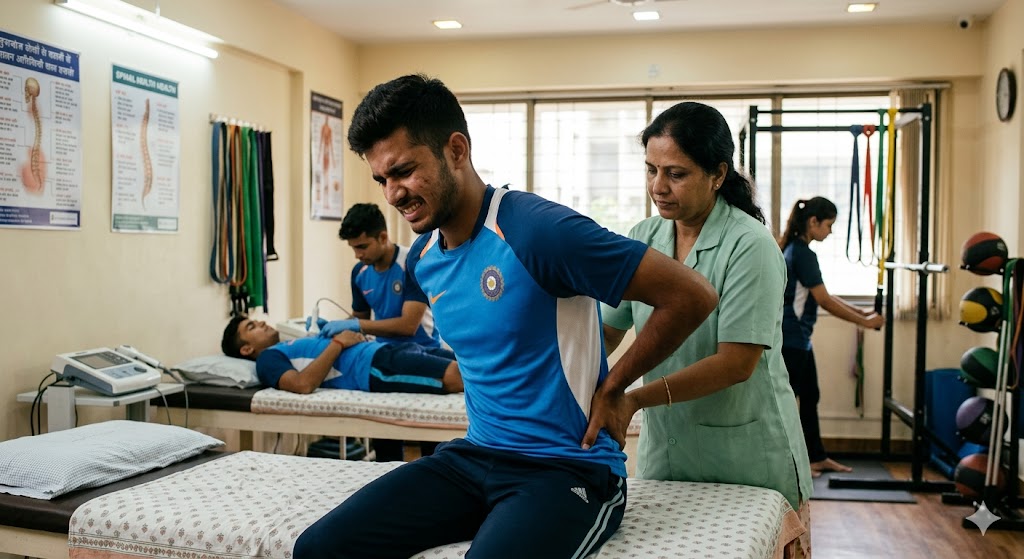
Fast bowling is one of the most mechanically demanding actions in sport. The combined rotation, extension, and lateral flexion of the lumbar spine repeated over an extended bowling spell, often on concrete pitches in colony grounds produces stress fractures of the pars interarticularis (spondylolysis), disc injuries, and facet joint overload. Young aspiring fast bowlers who train on hard surfaces without adequate core conditioning are particularly vulnerable. This is not a problem confined to professional cricket; the colony cricket ground, the apartment complex driveway, the concrete backyard these are where the injuries begin.
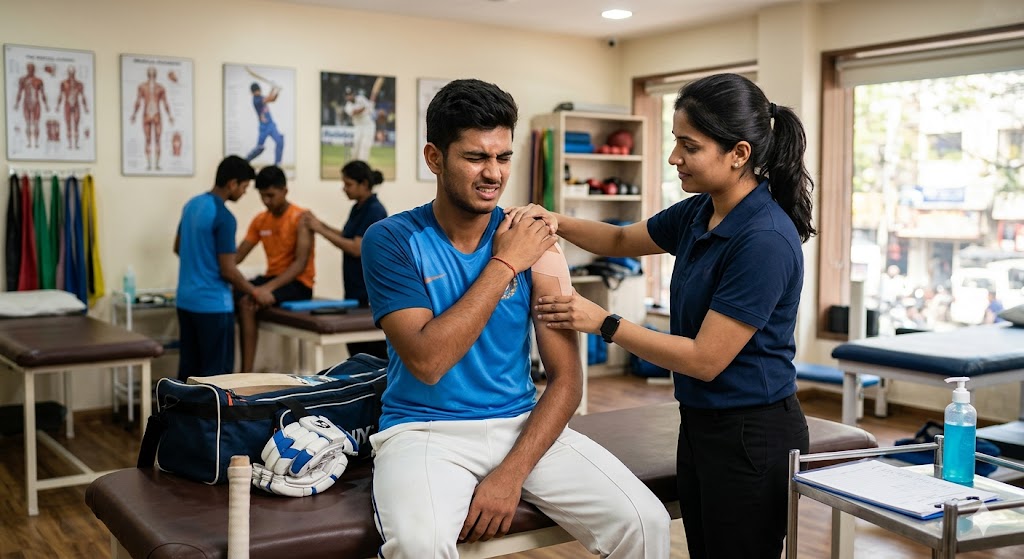
Throwing injuries, particularly in fielders and wicket-keepers, produce rotator cuff stress, labral irritation, and acromioclavicular joint pain. Batsmen sustain wrist and forearm injuries from mis-hits. Reassuringly, most respond well to structured rehabilitation, image-guided interventions when needed, and appropriate rest from throwing.
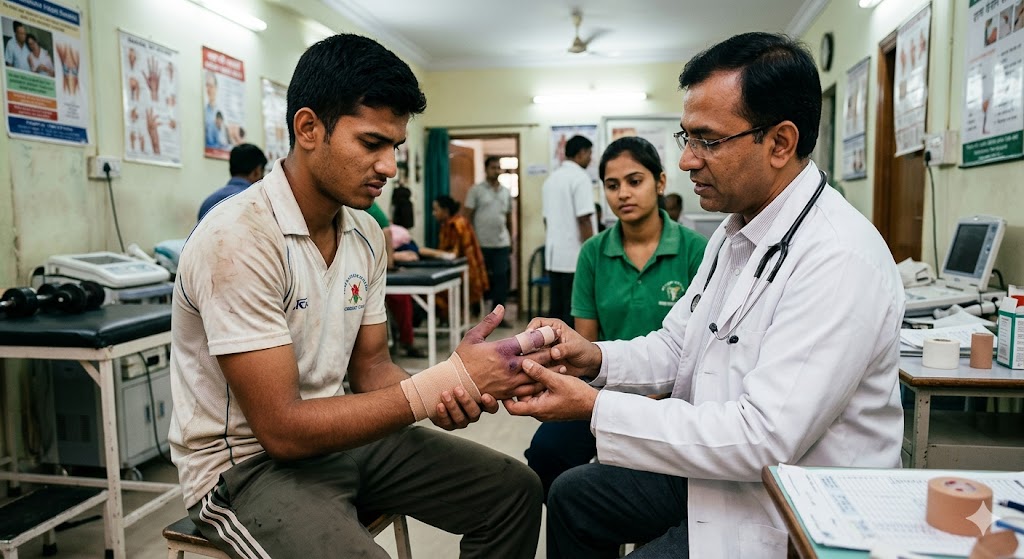
Finger fractures, ligament sprains, and jammed fingers are extremely common in cricket, particularly in catching and wicket-keeping. Many players tape and continue which can convert a simple sprain into a chronic instability if the ligament is actually partially torn. If a finger remains swollen and painful a week after injury, an X-ray at minimum is warranted.
Badminton has become extraordinarily popular in Hyderabad and rightly so. It is excellent cardiovascular exercise, social, and accessible. But it produces its own signature injuries, and the deceptively explosive nature of the sport catches many casual players off guard.
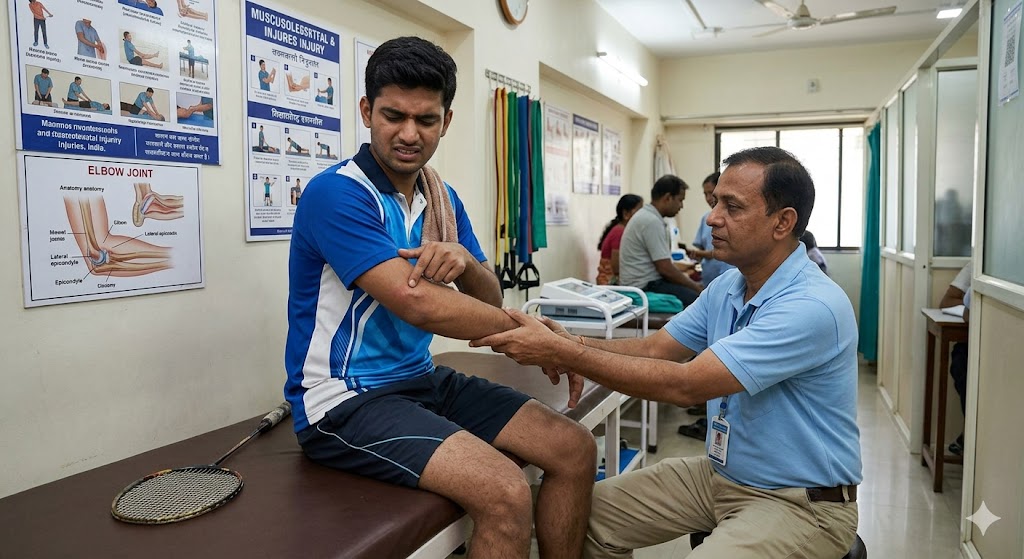
The forehand drive, repeated smashes, and particularly the backhand clear executed repeatedly and without proper grip technique load the lateral epicondyle and the common extensor origin. “Tennis elbow” is equally common in badminton players. It begins as post-game soreness, progresses to pain during play, and eventually produces pain even during everyday activities like lifting a tea glass or opening a door. At that stage, it has typically become a tendinopathy a degenerative process in the tendon, not a simple inflammation and it requires a structured loading-based rehabilitation programme rather than repeated rest-and-return cycles.
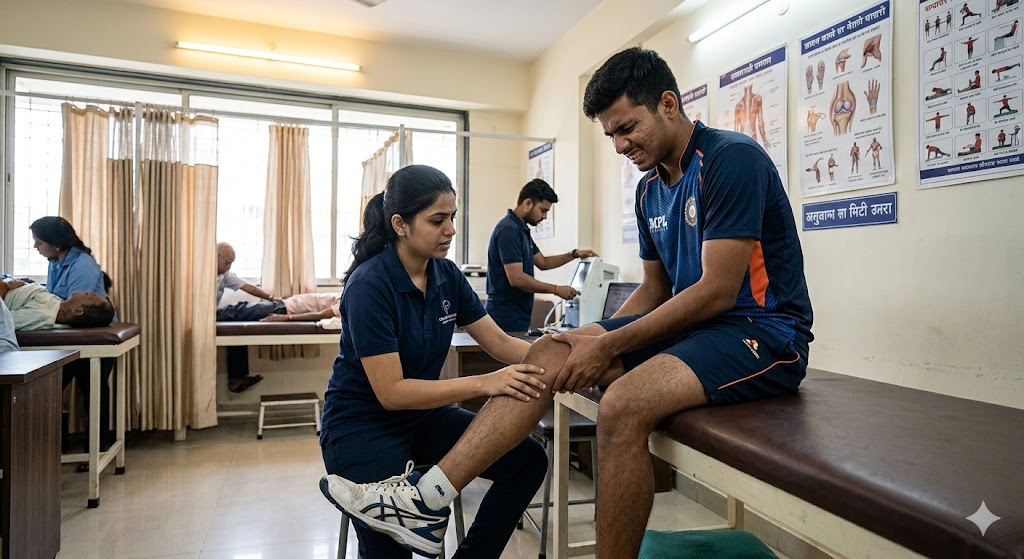
Badminton requires sudden acceleration, deceleration, and lateral lunging on a hard court surface. This places enormous stress on the patellofemoral joint and the patellar tendon. Patellofemoral pain syndrome pain behind or around the kneecap is very common. Patellar tendinopathy, sometimes called “jumper’s knee,” develops with repeated loading without recovery.
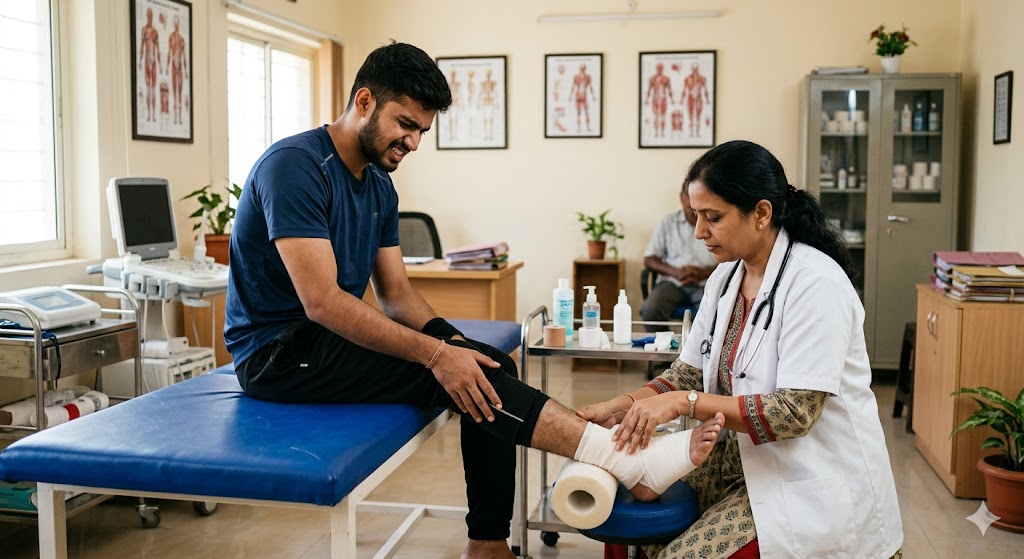
Repeated jumping and landing on hard courts loads the Achilles tendon significantly. Ankle sprains are common in the explosive lateral movements. And because players often play on synthetic or concrete courts without appropriate footwear, the mechanical demands on the ankle-foot complex are high.
The gym injury epidemic deserves its own conversation. With hundreds of gyms now operating in Hyderabad, and many of them staffed by trainers with limited formal qualifications, the conditions for injury are routinely present. Most gym injuries are preventable with better technique, progressive programming, and simply slowing down.
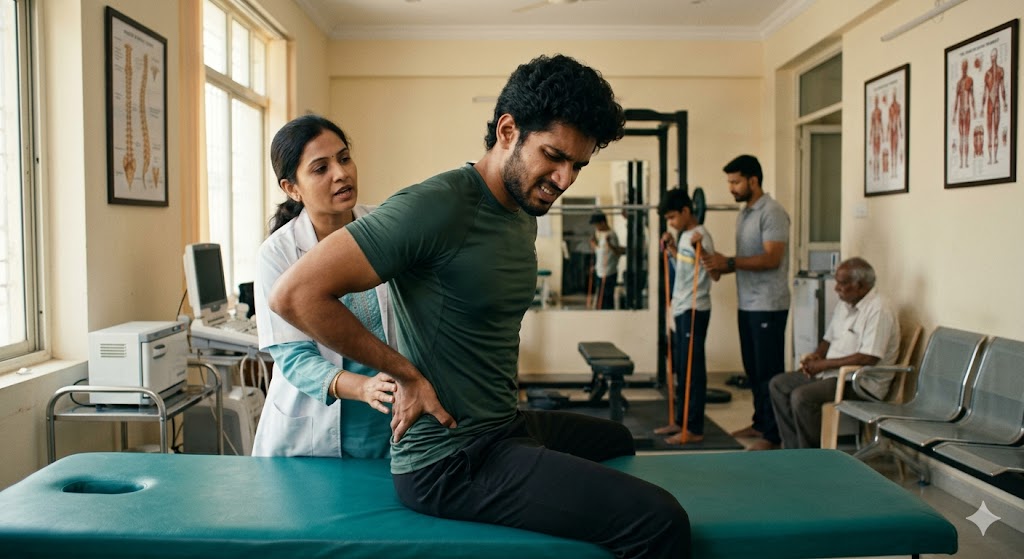
Deadlifts, squats, and barbell rows executed with spinal flexion under load are the most common cause of serious gym-related lower back injuries. Disc injuries, particularly at L4-L5 and L5-S1 levels, can result from a single poorly executed repetition with an excessive weight. The combination of a working professional who sits for ten hours daily and then immediately attempts heavy deadlifts is a recipe for disc injury. Thorough warm-up, correct form, progressive load increase, and ideally qualified coaching are non-negotiable.
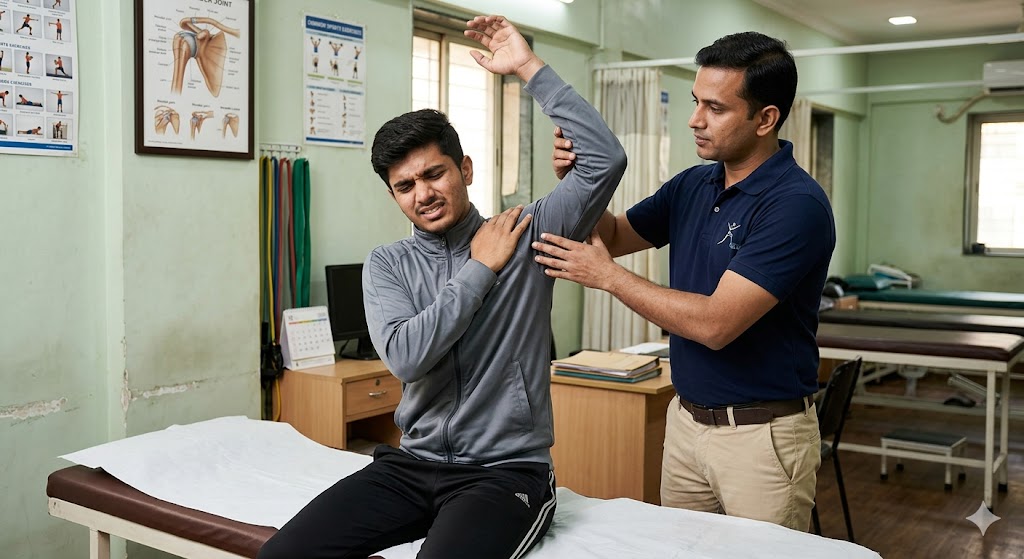
Bench press, overhead press, and lateral raises with poor scapular control produce rotator cuff impingement, bicipital tendinopathy, and in more serious cases, partial rotator cuff tears. The shoulder depends entirely on surrounding musculature for protection. When that musculature is weak, poorly coordinated, or fatigued, injury follows.
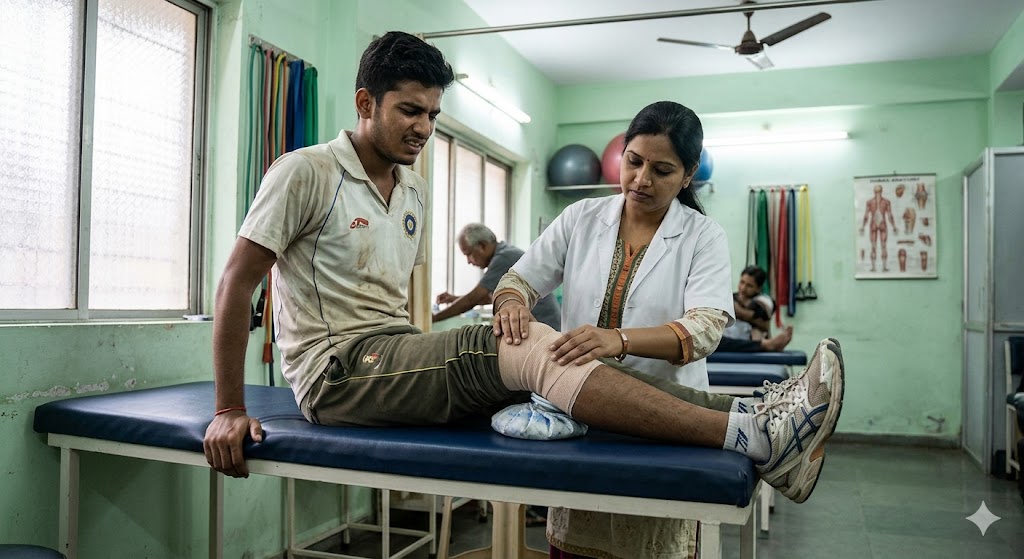
I must address what I see with some regularity and genuine empathy: the person who takes up sport in their late thirties or forties with the enthusiasm of a twenty-year-old and the physiological baseline of someone who has sat at a desk for fifteen years. This is not a criticism it is admirable. But the gap between motivation and physical preparedness is where injuries live. Tendons do not adapt as quickly as motivation rises. Cartilage does not condition in the same timeframe as cardiovascular fitness. The weekend cricket player who bowls twenty overs in a morning after minimal preparation, the forty-two-year-old badminton enthusiast who immediately plays competitive matches, the gym newcomer who copies the advanced member’s workout all of these individuals are loading tissues that are simply not ready.
One of the most important things I can offer a patient is not a diagnosis on a screen it is belief in their pain. In India, there is a cultural tendency to push through discomfort, to be told that pain is weakness, to continue sport until the tissue gives way entirely. Empathy in clinical assessment is not soft it is evidence-based. Patients who feel heard and understood have better recovery outcomes. Pain dismissed is pain prolonged.
Acute Phase — Day 0 to 72 hours
Recovery Phase — Day 3 onwards
For years, the standard advice for an acute sports injury was RICE Rest, Ice, Compression, Elevation. It was simple, memorable, and reasonably useful. But sports medicine has moved on, and the PEACE and LOVE framework now provides a more comprehensive and biologically sound approach.
PEACE covers the immediate phase: Protect the injured tissue from further damage; Elevate to reduce swelling; Avoid routine anti-inflammatory medications in the early phase because inflammation is part of natural tissue repair and suppressing it excessively may impair healing; Compress to manage swelling; and Educate the patient about what is happening and what to expect. That last point matters more than many clinicians acknowledge. A patient who understands their injury recovers better than one who is simply told to “rest and come back in two weeks.”
LOVE covers the recovery phase: progressive mechanical Load, which is critical because tendons and ligaments adapt to load without it, they remain weak; Optimism, because the evidence now clearly shows that patient expectations, confidence, and psychological state influence physical recovery; Vascularisation through safe, low-impact aerobic activity; and structured Exercise to restore full function.
| Condition | First-Line Treatment | Evidence for PRP | Evidence for Steroid | Surgery Needed? |
|---|---|---|---|---|
|
Lateral epicondylitis
(Badminton/Tennis Elbow)
|
Loading rehab; eccentric exercises | Moderate–Strong | Short-term only; possible harm | Rarely |
|
Patellar tendinopathy
|
Heavy slow resistance; decline squats | Moderate | Not recommended | Rarely |
|
Achilles tendinopathy
|
Eccentric loading programme | Emerging evidence | Rupture risk; avoid | Rarely |
|
Knee ligament sprain (partial)
|
Bracing + structured rehab | Select cases | Not appropriate | Grade I–II: No |
|
Ankle sprain
|
PEACE/LOVE + proprioception rehab | Limited evidence | Not recommended | Rarely |
|
Rotator cuff tendinopathy
|
Physiotherapy; scapular control | Moderate | Short-term relief only | Full tear: Consider |
|
Hamstring strain
|
Eccentric rehab; Nordic curls | Emerging | Not appropriate | No |
| Parameter | PRP (Platelet-Rich Plasma) | Corticosteroid | Prolotherapy |
|---|---|---|---|
| Mechanism | Growth factors stimulate biological healing | Suppresses inflammation | Controlled irritant stimulates repair |
| Onset of effect | Slower (days to weeks) | Fast (days) | Weeks |
| Duration of benefit | Months to potentially long-term | Weeks to months; diminishing returns | Variable |
| Effect on tissue | Potentially regenerative | Can weaken tendon & cartilage with repeat use | Theoretically reparative |
| Image guidance | Ultrasound-guided preferred | Ultrasound guidance improves accuracy | Anatomical or image-guided |
| Best used for | Tendinopathy, selected ligament & joint conditions | Acute flare; diagnostic injection | Ligament laxity; chronic tendinopathy |
The word “injection” makes many patients think of steroids. Corticosteroids remain useful in specific, carefully chosen situations. But in active patients seeking to return to sport, they carry real risks that deserve honest discussion. Repeated steroid injection into or near a tendon can weaken the tendon matrix and increase rupture risk. For active patients, this is a meaningful concern and it is one of the principal reasons our practice at IBAP Clinics has moved decisively towards regenerative approaches for sports injuries.
We specialise in three legally approved, government-regulated orthobiologic techniques: PRP (platelet-rich plasma), BMAC (bone marrow aspirate concentrate), and Nanofat-derived mesenchymal stem cell therapy. All three use the patient’s own biological material, processed on the table at the time of the procedure. There are no external cell banks, no synthetic additives, and no regulatory grey areas. These are established, approved interventions not experimental therapies and they represent the current leading edge of non-surgical musculoskeletal care.
Platelet-rich plasma is derived from the patient’s own blood by centrifugation to concentrate platelets cells that release a rich cocktail of growth factors relevant to tissue healing, including PDGF, TGF-β, VEGF, and IGF-1. When delivered accurately into a tendon, ligament, or joint under ultrasound guidance, these growth factors attempt to stimulate the body’s own repair processes rather than simply suppressing symptoms. For lateral epicondylitis, patellar tendinopathy, rotator cuff conditions, and selected knee problems, the evidence is genuinely encouraging particularly when PRP is combined with a structured rehabilitation programme rather than used as a standalone procedure.
Think of a damaged tendon like a pothole-ridden road in Hyderabad after the monsoon. A corticosteroid is like painting over the potholes the surface looks smoother temporarily, but the structural damage underneath remains, and the next monsoon will expose it again. PRP is more like bringing in a repair crew with the right materials to actually fill and reinforce the potholes. The process takes longer. The result, when conditions are right, is more durable.
BMAC takes regenerative medicine a step further. A small volume of bone marrow is aspirated from the iliac crest the back of the pelvic bone under local anaesthesia, in a brief, well-tolerated procedure. This aspirate is then processed on the table using a centrifuge to isolate and concentrate the nucleated cell fraction, which includes haematopoietic progenitor cells, mesenchymal stem cells, and a range of bioactive growth factors and cytokines. This concentrated preparation is then injected, under image guidance, into the target tissue — whether that is a damaged joint, a cartilage lesion, a tendon, or an osteochondral defect.
BMAC is particularly valuable in more complex musculoskeletal scenarios where tissue restoration rather than simple symptom relief is the clinical goal. Early cartilage damage, osteochondral lesions, and persistent tendon pathology that has not responded to PRP alone are among the conditions where BMAC adds meaningful biological depth. Because it is more invasive than PRP, it is reserved for carefully selected patients where the clinical picture justifies it. But in those patients, the range of biologically active components it delivers is considerably broader than PRP alone.
Nanofat is, I think, one of the most fascinating developments in regenerative orthopaedics and one that most patients have simply never heard of. The premise begins with something the body has in considerable supply and has historically regarded as inconvenient: adipose tissue. Fat. The very thing we spend considerable energy trying to reduce turns out, with modern processing techniques, to be a remarkably rich source of regenerative biology.
A small volume of fat is harvested from the patient typically from the periumbilical or flank area through a minimally invasive technique. This harvested fat is then mechanically emulsified and filtered through a standardised process on the table, converting it into a liquid biological preparation called Nanofat. This processing disrupts the fat cell walls whilst preserving the non-adipocyte cellular fraction most importantly, mesenchymal stem cells (MSCs) and pericytes.
Mesenchymal stem cells are multipotent stromal cells with the capacity to differentiate into multiple connective tissue lineages including chondrocytes (cartilage cells), tenocytes (tendon cells), and osteoblasts (bone cells). They also secrete paracrine signals anti-inflammatory cytokines, angiogenic factors, and trophic molecules that modulate the local healing environment in ways that go well beyond what growth factors alone can achieve. Pericytes, which reside around blood vessel walls in adipose tissue, are increasingly recognised as key players in tissue repair and vascularisation.
We tend to think of fat as the body’s unwanted storage problem something to be burned off, reduced, managed. But medical science has revealed that adipose tissue is, in biological terms, extraordinarily generous. It is one of the most abundant sources of mesenchymal stem cells in the adult body, far more accessible than bone marrow and with a yield that makes meaningful therapeutic doses achievable from a small harvest. What was once considered a liability turns out to be a resource. That is a genuinely satisfying development in medicine.
At IBAP Clinics, we offer Nanofat therapy as part of our orthobiologic portfolio for selected patients with tendon degeneration, joint surface damage, and soft tissue conditions where the regenerative potential of MSCs and pericytes may meaningfully improve outcomes beyond what PRP or BMAC alone can achieve. All three techniques PRP, BMAC, and Nanofat are performed using the patient’s own biological material, processed on the table at the time of the procedure, under strict sterile conditions, and delivered under image guidance for precision. They are legally approved, government-regulated orthobiologic interventions, and they represent our commitment to offering genuinely reparative not merely palliative options for our patients.
No injection, however elegant, replaces rehabilitation. I see patients who have received PRP elsewhere and returned with persistent symptoms, and almost invariably the missing ingredient was structured progressive loading. The injection creates a biological opportunity. Rehabilitation is what converts that opportunity into functional recovery.
A four-phase rehabilitation model provides a practical framework. Phase one manages pain, swelling, and tissue protection whilst maintaining safe early movement. Phase two restores joint range of motion and normal movement patterns. Phase three rebuilds muscular strength, endurance, balance, and proprioception. Phase four reintroduces sport-specific movements acceleration, deceleration, cutting, jumping, throwing at progressively higher intensities. Returning to sport before phase four is complete is the single most common reason for re-injury.
Start your journey with a virtual consultation to discuss symptoms from home.
We review your medical history and relevant reports for a clear understanding.
Our doctors conduct a thorough assessment through detailed discussions.
We confirm findings with state-of-the-art imaging like X-rays, CT scans, and MRIs.
Our team identifies the root cause and key trigger points for treatment.
We create a customized treatment plan, including necessary medications and procedures.
Our Pain Specialists support a complete recovery focused on total wellness.
We provide ongoing follow-ups tailored to each treatment plan, ensuring continuous care and long-term recovery support.
We relieve your pain, helping you be yourself again!
Lower-limb injuries dominate knee ligament sprains, ankle sprains, hamstring tears, and tendinopathies are most frequent. Cricket produces shoulder, finger, and lower back injuries in bowlers. Badminton causes lateral epicondylitis and knee problems. Gym training causes lower back, shoulder, and knee overload injuries. Nearly 48.5% of Indian athletes report sports injuries in cross-sectional studies, with lower limb involvement in approximately half of cases.
Most sports injuries including partial ligament sprains, tendinopathies, muscle strains, and early cartilage problems respond very well to non-surgical management combining accurate diagnosis, structured rehabilitation, load management, and image-guided interventions such as PRP when appropriate. Surgery is required for complete ligament ruptures, significant cartilage loss, or fractures that do not align but these represent a minority of sports injuries.
PRP (platelet-rich plasma) uses the patient’s own blood, concentrated for platelets and growth factors, to stimulate biological healing in tendons, ligaments, and joints. Evidence supports its use in tendinopathy and selected ligament conditions, particularly when combined with structured rehabilitation. It is not an instant fix results develop over weeks but it addresses the biological repair environment rather than simply suppressing pain.
Immediately if there is inability to bear weight, visible deformity, severe swelling, suspected fracture, or significant joint instability. Within 48–72 hours for significant swelling, pain that prevents normal activity, or bruising that is spreading. For minor soreness that resolves with rest within 24–48 hours, self-management with the PEACE framework is reasonable. Earlier assessment consistently leads to faster and more complete recovery.
PEACE (Protect, Elevate, Avoid anti-inflammatories, Compress, Educate) covers the first 48–72 hours of acute injury management. LOVE (Load, Optimism, Vascularisation, Exercise) guides progressive recovery from day three onwards. Together they replace the old RICE method with a more biologically informed, rehabilitation-focused approach that supports natural tissue healing rather than simply suppressing symptoms.
A sedentary work week leaves tendons, ligaments, and muscles without the progressive conditioning they need to handle sudden intense activity. The cardiovascular system adapts relatively quickly the heart can handle a hard session but connective tissue takes weeks to months to adapt. Compressing an entire week’s exercise into Saturday and Sunday overloads unprepared tissue repeatedly, which is why the same structure often gets re-injured until proper conditioning is built.
Corticosteroids provide short-term pain relief in selected conditions but carry meaningful risks in active patients cartilage thinning with repeated joint injections, tendon weakening (with increased rupture risk particularly in Achilles and patellar tendons), and transient systemic effects. They are not appropriate as a standalone or first-line treatment for most sports injuries in active adults. When used, they should be part of a broader plan that includes rehabilitation, and should be ultrasound-guided for accuracy and safety.
EXCELLENTTrustindex verifies that the original source of the review is Google. Good pain relief with treatmentPosted on GoogleTrustindex verifies that the original source of the review is Google. Best for pain reliefPosted on GoogleTrustindex verifies that the original source of the review is Google. बहुत अच्छा लगा हमें ये ट्रिटमेंट करा के अच्छे डॉक्टर और अच्छे स्टाफ हैं और काम पैसे में अच्छा अच्छा ट्रिटमेंट होता हैPosted on GoogleTrustindex verifies that the original source of the review is Google. Very nice, good and helpful staf, overall good experiencePosted on GoogleTrustindex verifies that the original source of the review is Google. Very good doctors and good tritment Thank you doctorPosted on GoogleTrustindex verifies that the original source of the review is Google. One of the best clinic for the relief of back painPosted on GoogleTrustindex verifies that the original source of the review is Google. Very good treatment indo british clinic for every pain reliefPosted on GoogleTrustindex verifies that the original source of the review is Google. I have visited indo british pain clinic this is superb clinic for pain relief that's why I have given 5 start rating to this clinic ...Posted on GoogleTrustindex verifies that the original source of the review is Google. My name is Raja Sekhar Reddy Tummuri from kakinada city My father was suffering nervous pain from last 3 years … I have decided to join with this op … Now everything fine after treatment done from DR. vijay sir … Wonderful service received from INDO British advanced pain clinic Hospitals in Hyderabad @ Banjara Hills road no 12.. Each and every staff response , concern , support & everything it’s too good Thank you so much … Special thanks to Mr. DR. Vijay bhaskar Bandi Katla …👏🏻👏🏻👏🏻👏🏻🙏🙏Verified by TrustindexTrustindex verified badge is the Universal Symbol of Trust. Only the greatest companies can get the verified badge who has a review score above 4.5, based on customer reviews over the past 12 months. Read more
This article is intended for general patient education and informational purposes only. It does not constitute medical advice, diagnosis, or treatment. The information provided reflects the clinical perspective of Dr. Vijay Bhaskar Bandikatla and is not a substitute for personalised consultation with a qualified medical professional. Individual patient circumstances vary; treatment decisions should always be made in consultation with a registered specialist. Indo British Advanced Pain Clinics, Vijay Advanced Pain Clinics Pvt. Ltd., and the author accept no liability for actions taken on the basis of this content alone. Always seek professional medical advice for any sports injury or musculoskeletal condition.
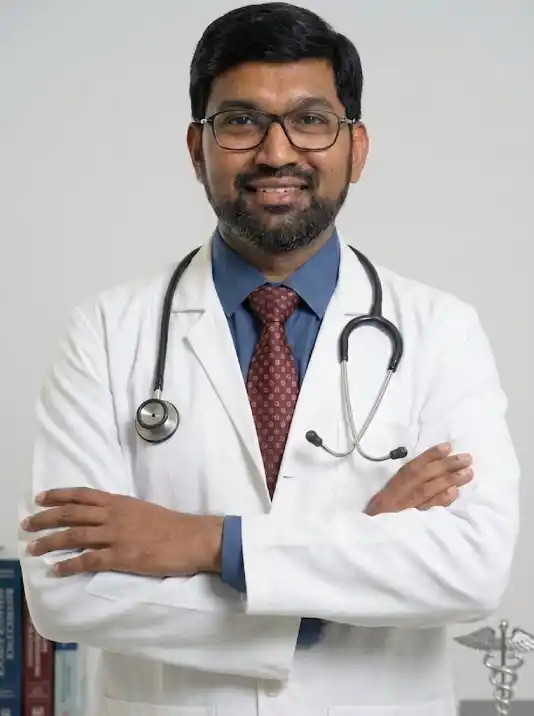
MBBS, DA, FRCA (UK), FFPMRCA (Pain Medicine, RCOA, UK)
CCT (Anesthesiology And Pain Management)
Neuromodulation & Advanced Pain Research Fellowship (London), MBA (HM)
Banjara Hills
2nd Floor, 284/A, Road No. 12, above IDFC First Bank, near Omega hospitals, MLA Colony, Banjara Hills, Hyderabad, Telangana 500034.

Indo-British Advanced Pain Clinic © 2026. All Rights Reserved. Designed & Developed By Adroit
WhatsApp us