Helpline :
9807 55 6789
-
Call Us Now: 9807 55 6789Call Us Now: 9807 55 6789
Why a multidisciplinary pain team not a single doctor holds the key to lasting relief, and how advanced non-surgical interventions are transforming outcomes for women across India.
Women in India estimated to have endometriosis
Approx. 10% of reproductive-age women globally
Women affected by chronic pelvic pain worldwide
WHO systematic review, CPP prevalence 4–43%
Years average diagnostic delay in India
Symptoms dismissed as “normal period pain”
Maximum co-occurrence of endometriosis & IC/BPS in CPP patients
Healthcare 2024 systematic review, Inzoli et al.
Interventional pain procedures available without surgery
At IBAP Clinics, Hyderabad
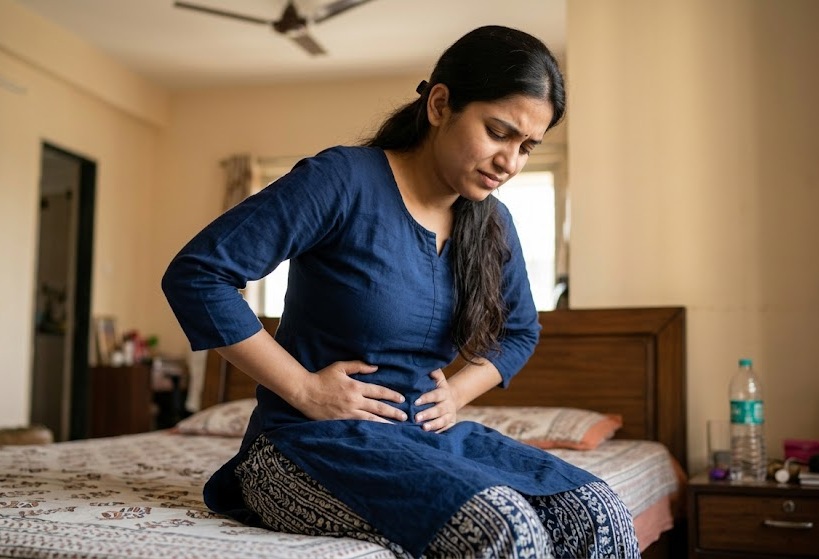
Every day across India, millions of women go to work, raise families, and carry on whilst silently bearing chronic pelvic pain. The pain is real, disabling, and profoundly life-altering. Yet it is routinely normalised, dismissed as “just periods,” or handed between specialists without resolution. This must change.
Chronic pelvic pain (CPP) is defined as persistent or recurrent pain in the lower abdomen or pelvis lasting at least six months, severe enough to affect daily function. It is not a single diagnosis it is a complex, multisystem symptom syndrome driven by overlapping causes, demanding a multidisciplinary response. At Indo British Advanced Pain Clinics (IBAP), Hyderabad, we believe that with the right diagnosis, the right team, and the right interventions, most women with pelvic pain can reclaim their lives without surgery.
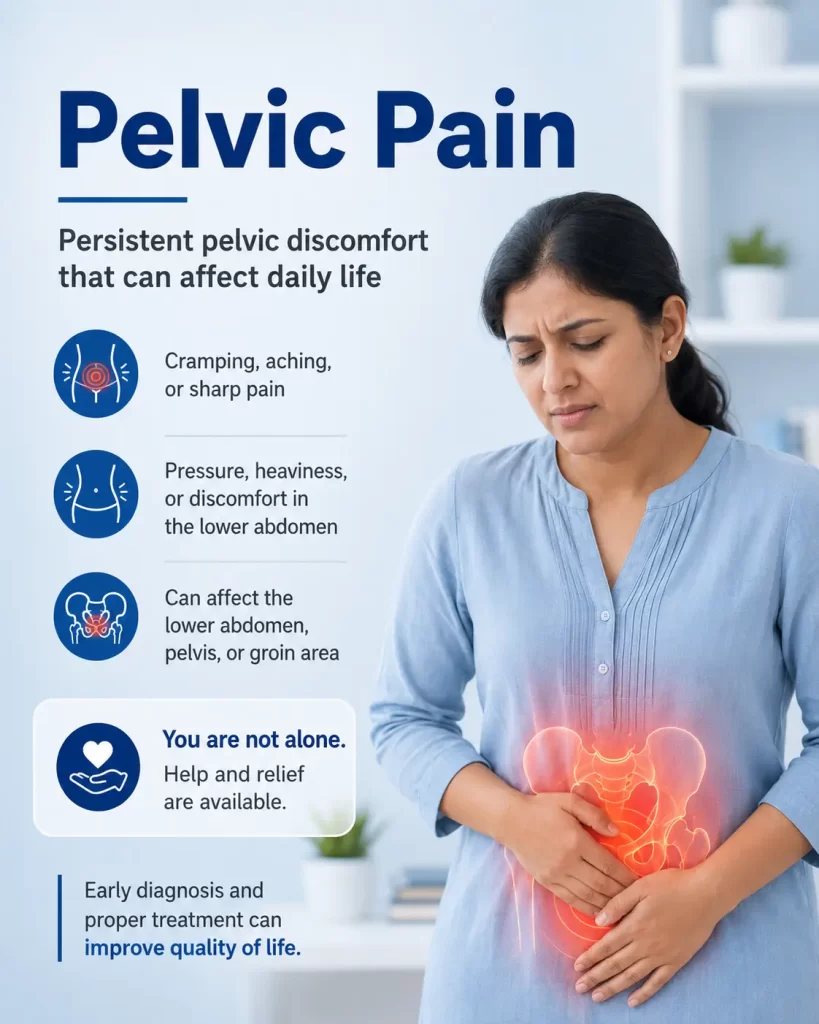
One of the greatest clinical challenges in CPP is that it is almost never single-cause. Multiple conditions coexist in the same patient each requiring targeted management. Identifying which conditions are present, and which is dominant at any given time, is the very foundation of effective treatment.
Endometriosis occurs when tissue resembling the uterine lining grows outside the uterus on the ovaries, fallopian tubes, bladder, bowel, or pelvic lining. Each menstrual cycle, this misplaced tissue bleeds with nowhere for the blood to escape, creating inflammation, scarring, and intense pain. An estimated 42 million women in India are affected, yet diagnosis is routinely delayed by 7–10 years, symptoms dismissed as “bad periods.”
Critically, endometriosis involves both peripheral sensitisation where local nerve endings become hypersensitive and central sensitisation where the brain and spinal cord become amplified in their pain processing. This means that even after surgical removal of lesions, pain may persist if the nervous system is not separately addressed. This is precisely why a pelvic pain physician, alongside the gynaecologist, is essential.
Adenomyosis occurs when endometrial glands invade the muscular wall of the uterus. The uterus becomes bulky and chronically inflamed, producing relentless heavy cramping and pelvic aching. It frequently coexists with endometriosis, doubling the pain burden. Many women with adenomyosis are told to “wait for menopause” a response that is neither acceptable nor necessary given the range of available interventions.
Interstitial cystitis/bladder pain syndrome (IC/BPS) is a chronic bladder condition causing pelvic pain, urinary urgency, and frequency routinely mistaken for recurring urinary tract infections. A landmark 2024 systematic review found that endometriosis and IC/BPS coexist in 15.5–78.3% of women with CPP nicknamed the “evil twins” because each condition masks the other, causing years of diagnostic delay and inappropriate surgery.¹
The L4, L5, and S1 nerve roots supply the uterus, bladder, perineum, and inner thigh. A herniated disc or inflamed facet joint at these levels refers pain directly into the pelvis and groin perfectly mimicking gynaecological disease, with no obvious back pain. A 2024 systematic review confirmed that “referred pain related to lumbar spine diseases tends to spread to the lower abdomen, groin, and pelvic regions.” Approximately 95% of lumbar disc herniations occur at L4–L5 or L5–S1 the very levels that innervate pelvic structures.
The most dangerous phrase in pelvic pain medicine is: “All your tests are normal.” This usually means no single specialist found a cause within their own domain not that no cause exists. CPP crosses every specialty boundary: gynaecology, urology, gastroenterology, orthopaedics, neurology, psychology, and pain medicine. A structured multidisciplinary team is not a luxury; it is clinical necessity.
Hormonal therapy, fertility planning, laparoscopic excision
Nerve blocks, RF ablation, neuromodulation, analgesic optimisation
Pelvic MRI (DIE protocol), dynamic TVS, pelvic vein Doppler
Myofascial release, downtraining, biofeedback specialist-trained only
CBT, pain catastrophising, trauma psychiatric comorbidity in ~1 in 10 with endometriosis
Bladder pain syndrome, urodynamics, IC/BPS management
IBS, bowel-related CPP, inflammatory bowel disease exclusion
At IBAP Clinics, we are the interventional pain hub in this team working alongside gynaecologists, urologists, and physiotherapists across both our Banjara Hills and Madeenaguda sites, with senior consultant roles at Apollo Hospitals and Care Hospitals.
No treatment works when the diagnosis is incomplete. Our diagnostic process goes far beyond routine scans and includes:

Character, timing, triggers, urinary and bowel symptoms, sexual function, psychological history, and prior treatment history.

Deep infiltrating endometriosis-specific sequences not routine MRI. Dynamic transvaginal ultrasound using the FOGSI-endorsed IDEA protocol.

Mandatory when spinal contribution is suspected especially in women with back pain, buttock pain, or leg symptoms alongside pelvic pain.

Specifically for pelvic congestion syndrome, which is invisible on routine ultrasound.

A superior hypogastric plexus block that relieves 70% of pain within 30 minutes confirms the visceral sympathetic pathway as dominant driver immediately directing the entire treatment plan. These are simultaneously diagnostic AND therapeutic.

PHQ-9, GAD-7, and Pelvic Pain Impact Questionnaire because central sensitisation and psychological factors are active pain drivers, not incidental findings.
Interventional procedures for pelvic pain are minimally invasive, image-guided, and performed as outpatient procedures. They complement and in many cases substantially reduce the need for surgery. Below is the complete procedural toolkit available at IBAP Clinics.
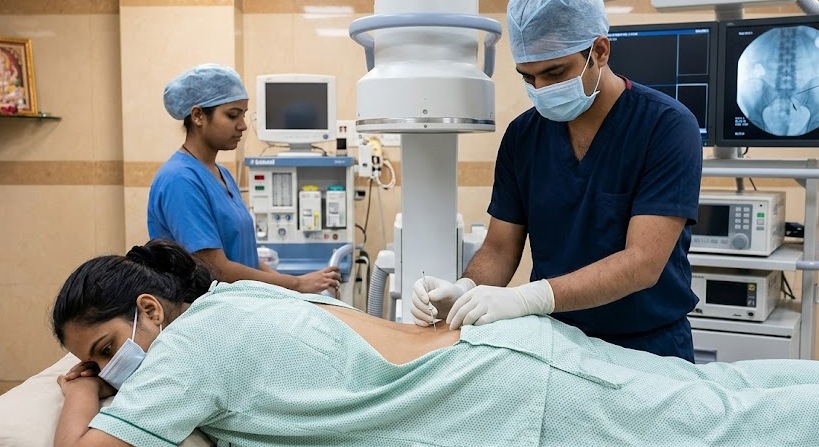
Targets sympathetic nerves at L5–S1 carrying pain from uterus, bladder, and colon. Diagnostic and therapeutic. Can be combined with RF ablation for lasting relief. Indicated for endometriosis, PID, cancer pain.
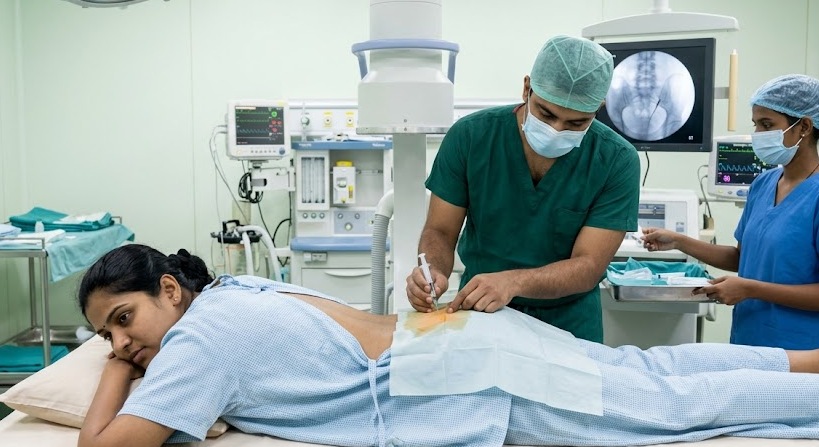
Targets the terminal sympathetic ganglion at the sacrococcyx, supplying the vulva, perineum, lower rectum, and vagina. Key for perineal pain, coccydynia, vulvodynia, post-surgical pelvic pain.
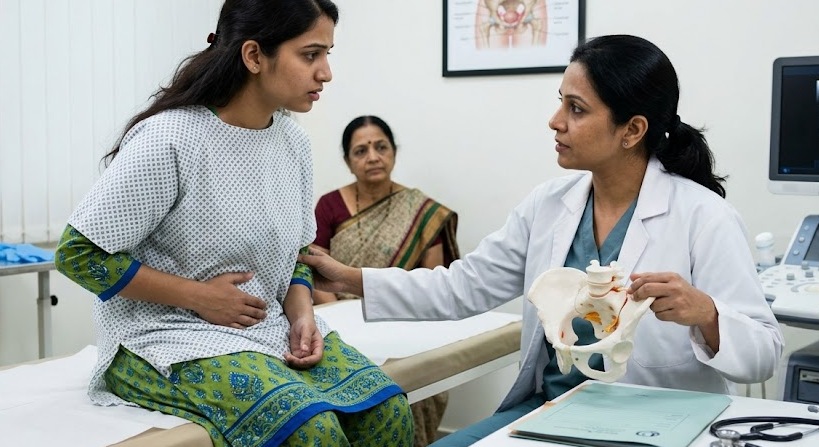
Image-guided injection at Alcock’s canal. Treats pudendal neuralgia, vulvodynia, perineal burning, post-sling pain. Both diagnostic and therapeutic.
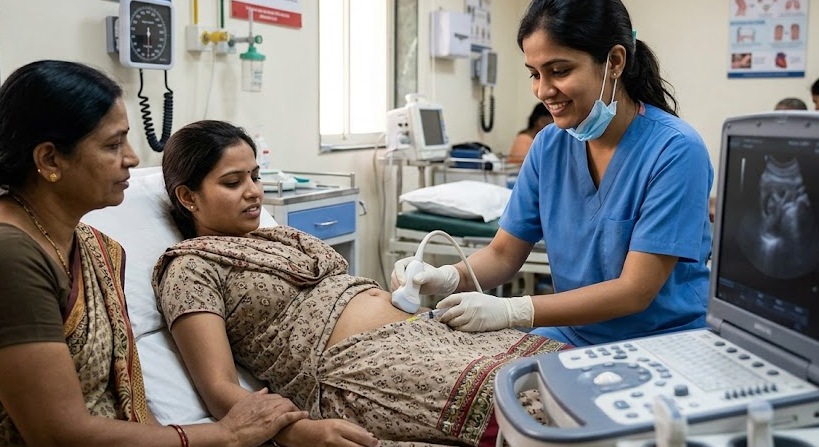
Ilioinguinal, iliohypogastric, genitofemoral, obturator, and cluneal nerve blocks for groin, inguinal, and posterior pelvic pain especially after surgery or hernia repair.
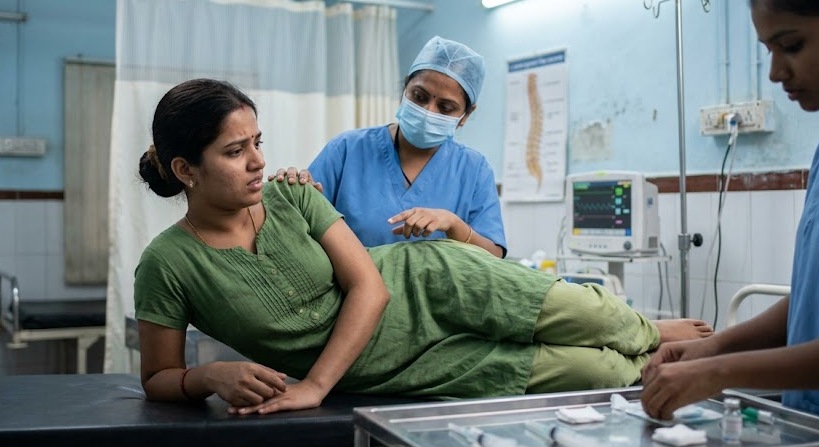
Anti-inflammatory delivery to sacral nerve roots S1–S5 via the sacral hiatus. Safe first-line option for sacral nerve irritation contributing to pelvic and perineal pain.
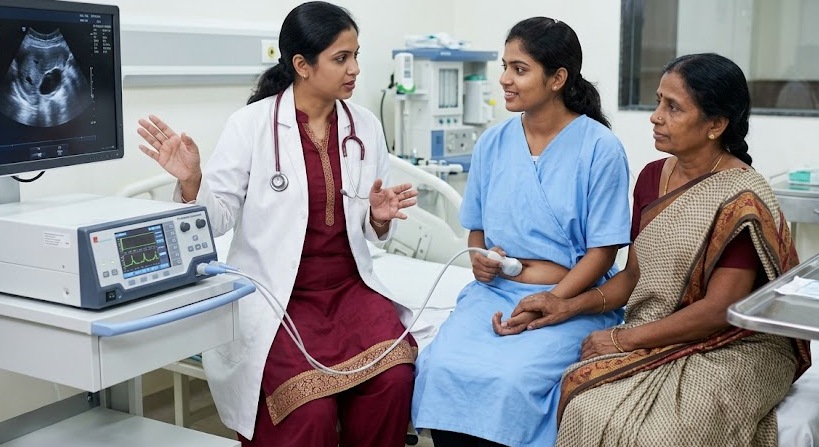
Radiofrequency ablation of the superior hypogastric plexus; pulsed RF of pudendal and sacral nerve roots; facet joint RF for the spinal component. Provides extended relief well beyond nerve blocks alone.
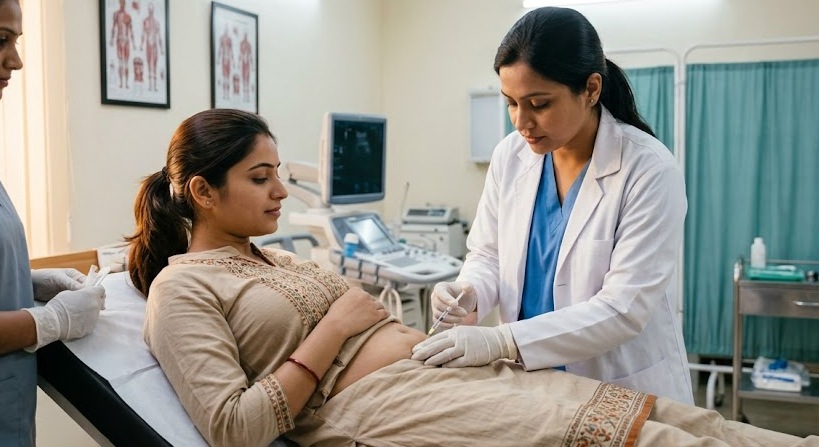
Botulinum toxin A into hypertonic pelvic floor muscles relieves vaginismus, dyspareunia, and myofascial pain. Intravesical Botox for IC/BPS reduces bladder pain. A 2024 multi-study review of 1,108 patients confirmed efficacy for sexual pain disorders.
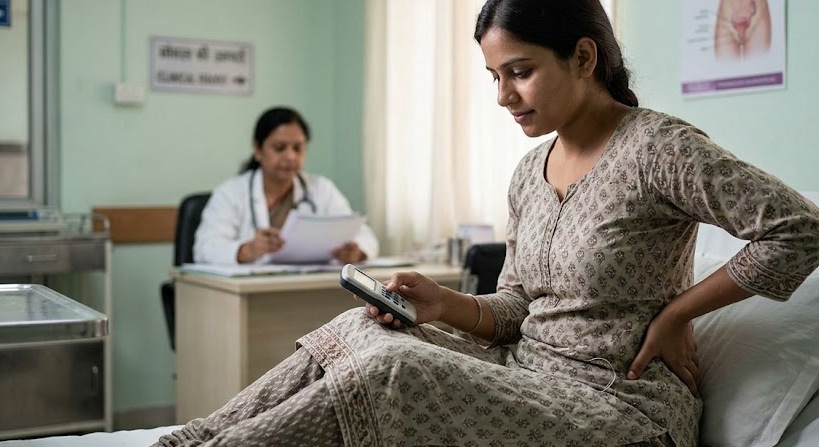
Implanted electrode at S3 sacral nerve root delivers continuous neuromodulation. Established (NICE-endorsed) for IC/BPS and bladder pain. Staged trial ensures ≥50% improvement before permanent implant.
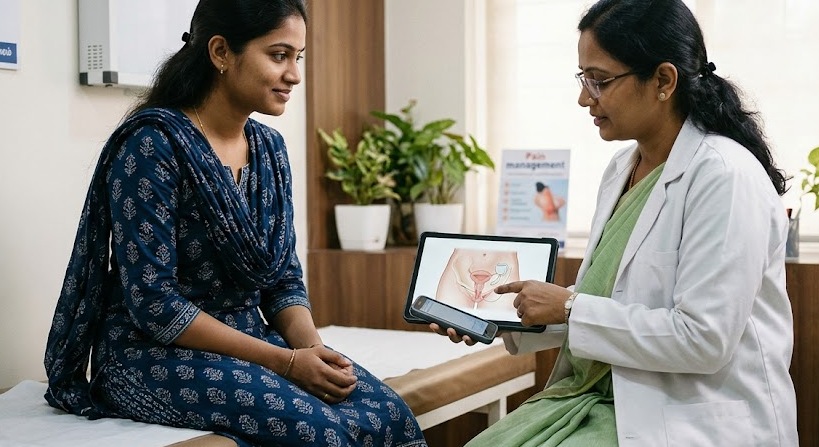
Miniaturised wireless leads at the pudendal nerve more targeted than sacral neuromodulation for perineal-specific pain. Refractory pudendal neuralgia, vulvodynia, post-sling pain
of pelvic floor dysfunction hypotonic (weak) and hypertonic (overactive)
women with chronic pelvic pain have a hypertonic (too tight) pelvic floor
are ONLY correct for weak pelvic floors — and actively worsen hypertonic ones
The pelvic floor is a complex hammock of muscles, ligaments, and fascia forming the base of the pelvis. In health, these muscles must contract (to maintain continence), relax (to allow comfortable intercourse and voiding), and coordinate precisely with the diaphragm. Pelvic floor dysfunction exists on a spectrum: hypotonic (too weak) and hypertonic (too tight, overactive, unable to relax).
Kegel exercises developed by Dr Arnold Kegel in the 1940s are pelvic floor strengthening exercises. They are appropriate only when the pelvic floor is weak and underactive. The critical truth is that most women with chronic pelvic pain have an overactive, hypertonic pelvic floor muscles in chronic, painful spasm.
Performing Kegel exercises on an already-hypertonic pelvic floor increases muscle tension and worsens pain, urinary urgency, and dyspareunia. Clinical evidence confirms this. Harvard Health (2024) explicitly states that women with hypertonic pelvic floors who try Kegels “have actually made things worse.” If you have been prescribed Kegels for pelvic pain — please ask whether your pelvic floor has been assessed as hypertonic or hypotonic before continuing.
For hypertonic pelvic floors the norm in CPP treatment must focus on relaxation and release, not strengthening. Evidence-based physiotherapy includes:
FOGSI Key Practice Points on Endometriosis explicitly recommend multidisciplinary management, naming pain physicians and pelvic physiotherapists as essential team members not optional referrals.
FOGSI Focus (November 2024) on Endometriosis and Adenomyosis endorses the IDEA TVS protocol, highlights that pain severity does not always correlate with disease stage, and calls for holistic team-based care.
FOGSI Expert Consensus (2026) on long-term endometriosis management underscores the need for sustained medical pain management — reducing the cycle of repeated surgery.
ICMR EndoCare India is India’s first national multidisciplinary framework for endometriosis and CPP within public tertiary hospitals. It mandates named teams including pain medicine; integrates telemedicine via e-Sanjeevani; and promotes Ayushman Bharat coding for pain procedures, physiotherapy, and mental health visits.
NDPS Act amendments progressively improve legitimate access to opioid analgesics for cancer-related pelvic pain — with full compliance at IBAP Clinics for intrathecal pump programmes and all controlled substance prescriptions.
We never accept “normal investigations” as the end of the road. Diagnostic nerve blocks, spinal assessment, and detailed pain mapping identify every contributor not just the most obvious one.
Our clinical tilt is always toward safely avoiding surgery. We exhaust the full spectrum of evidence-based interventional options before surgery is considered. Where surgery is genuinely needed, we say so honestly.
We coordinate with gynaecologists, urologists, physiotherapists, and psychologists around the patient not around our specialty. We are the pain hub; we are not the whole team.
Start your journey with a virtual consultation to discuss symptoms from home.
We review your medical history and relevant reports for a clear understanding.
Our doctors conduct a thorough assessment through detailed discussions.
We confirm findings with state-of-the-art imaging like X-rays, CT scans, and MRIs.
Our team identifies the root cause and key trigger points for treatment.
We create a customized treatment plan, including necessary medications and procedures.
Our Pain Specialists support a complete recovery focused on total wellness.
We provide ongoing follow-ups tailored to each treatment plan, ensuring continuous care and long-term recovery support.
We relieve your pain, helping you be yourself again!
The most common causes include endometriosis, adenomyosis, interstitial cystitis/bladder pain syndrome, hypertonic pelvic floor dysfunction, pudendal neuralgia, pelvic congestion syndrome, IBS, and lumbar spinal problems at L4/L5/S1 that refer pain into the pelvis and groin. Multiple causes very frequently coexist in the same woman which is why a single-specialist approach is insufficient.
A superior hypogastric plexus block is a minimally invasive, image-guided procedure targeting a network of sympathetic nerves at the L5–S1 spinal level. These nerves carry pain signals from the uterus, bladder, vagina, and colon. Blocking this plexus using local anaesthetic, steroid, or radiofrequency energy interrupts pain transmission without affecting motor function. It is used for endometriosis-related visceral pelvic pain, pelvic inflammatory disease, pelvic congestion syndrome, and cancer-related pelvic pain.
Yes. Spinal cord stimulation (SCS) uses thin epidural leads placed at T10–T12 to deliver gentle electrical impulses that modify pain signals at the spinal cord before they reach the brain. A prospective multi-centre clinical trial of 10 kHz SCS for chronic pelvic pain demonstrated significant improvements in pain scores, quality of life, and analgesic use at 12-month follow-up. SCS is particularly effective for refractory endometriosis-related pain, complex CPP, and cancer-related pelvic pain.
No and this is a critically important distinction. Kegel exercises are strengthening exercises, appropriate only for weak (hypotonic) pelvic floor muscles. Most women with chronic pelvic pain have an overactive (hypertonic) pelvic floor that cannot relax properly. Performing Kegels on an already-tight floor increases muscle tension and worsens pain, dyspareunia, and urinary urgency. The correct treatment is pelvic floor relaxation diaphragmatic breathing, myofascial manual release, reverse Kegels, and biofeedback performed by a specialist pelvic physiotherapist.
FOGSI has published Key Practice Points on Endometriosis and a 2026 Expert Consensus recommending multidisciplinary teams including pain physicians and physiotherapists as essential members. ICMR’s EndoCare India framework provides India’s first national blueprint for multidisciplinary endometriosis and CPP care within public hospitals, integrating telemedicine, structured referral pathways, patient registries, and Ayushman Bharat coverage for pain procedures, physiotherapy, and mental health support.

EXCELLENTTrustindex verifies that the original source of the review is Google. Good pain relief with treatmentPosted on GoogleTrustindex verifies that the original source of the review is Google. Best for pain reliefPosted on GoogleTrustindex verifies that the original source of the review is Google. बहुत अच्छा लगा हमें ये ट्रिटमेंट करा के अच्छे डॉक्टर और अच्छे स्टाफ हैं और काम पैसे में अच्छा अच्छा ट्रिटमेंट होता हैPosted on GoogleTrustindex verifies that the original source of the review is Google. Very nice, good and helpful staf, overall good experiencePosted on GoogleTrustindex verifies that the original source of the review is Google. Very good doctors and good tritment Thank you doctorPosted on GoogleTrustindex verifies that the original source of the review is Google. One of the best clinic for the relief of back painPosted on GoogleTrustindex verifies that the original source of the review is Google. Very good treatment indo british clinic for every pain reliefPosted on GoogleTrustindex verifies that the original source of the review is Google. I have visited indo british pain clinic this is superb clinic for pain relief that's why I have given 5 start rating to this clinic ...Posted on GoogleTrustindex verifies that the original source of the review is Google. My name is Raja Sekhar Reddy Tummuri from kakinada city My father was suffering nervous pain from last 3 years … I have decided to join with this op … Now everything fine after treatment done from DR. vijay sir … Wonderful service received from INDO British advanced pain clinic Hospitals in Hyderabad @ Banjara Hills road no 12.. Each and every staff response , concern , support & everything it’s too good Thank you so much … Special thanks to Mr. DR. Vijay bhaskar Bandi Katla …👏🏻👏🏻👏🏻👏🏻🙏🙏Verified by TrustindexTrustindex verified badge is the Universal Symbol of Trust. Only the greatest companies can get the verified badge who has a review score above 4.5, based on customer reviews over the past 12 months. Read more

MBBS, DA, FRCA (UK), FFPMRCA (Pain Medicine, RCOA, UK)
CCT (Anesthesiology And Pain Management)
Neuromodulation & Advanced Pain Research Fellowship (London), MBA (HM)
Banjara Hills
2nd Floor, 284/A, Road No. 12, above IDFC First Bank, near Omega hospitals, MLA Colony, Banjara Hills, Hyderabad, Telangana 500034.

Indo-British Advanced Pain Clinic © 2026. All Rights Reserved. Designed & Developed By Adroit
WhatsApp us