Helpline :
9807 55 6789
-
Call Us Now: 9807 55 6789Call Us Now: 9807 55 6789
Advanced Non-Surgical Treatment for Long-Lasting Relief
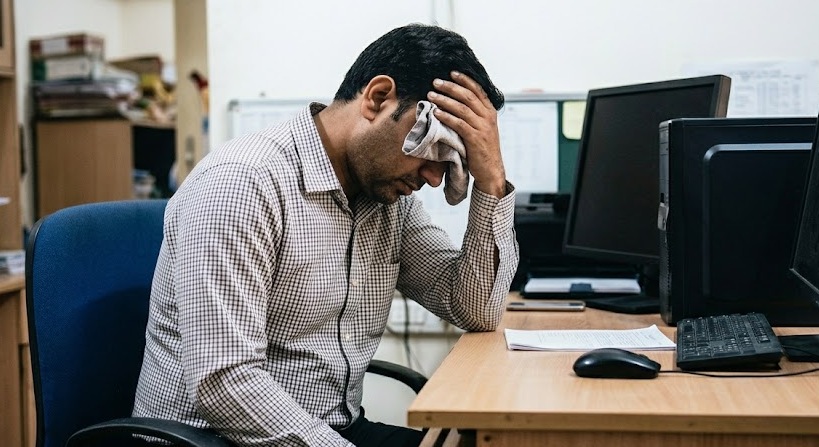
Headache is the hub one of the most prevalent neurological complaints on earth, affecting nearly 40% of the global population at any given time. Migraine is the most clinically significant spoke radiating from that hub: not merely a severe headache, but a distinct neurological disorder that accounts for the majority of specialist headache referrals and according to the Global Burden of Disease Study the third leading cause of disability in adults under 50.
Understanding this distinction matters. Not every headache is a migraine, and not every migraine is being adequately treated. Think of headache as a tree and migraine as its tallest, most impactful branch. Knowing which branch you are on determines which treatment path to follow.
Headache is the wheel hub. The spokes radiating outward are the specific subtypes — migraine, tension-type, cluster headache, cervicogenic headache and others. Each spoke has its own distinct cause, character and treatment. Confusing one spoke for another means years of ineffective treatment. The specialist’s job is to identify which spoke you are on before recommending any intervention.
The ICHD-3 (International Classification of Headache Disorders, 3rd Edition) the global gold standard divides headaches into primary disorders (conditions in their own right), secondary disorders (symptoms of another disease) and cranial neuralgias. The most clinically important primary headaches are:
Migraine is not a vascular disorder it is a neurological one, driven by a sensitive, hyperexcitable brain. Five interlocking mechanisms produce a migraine attack:
A migraine attack unfolds like a weather system. Before the storm: atmospheric pressure drops you feel irritable, tired or crave food (the premonitory phase). The storm front arrives as lightning (aura zigzag lights and tingling). Then the thunder strikes (the headache). Finally, the exhausted grey calm after the storm passes (the postdrome). Five biological mechanisms drive this sequence.
The underlying predisposition is genetic. Genes controlling ion channels and synaptic transmission create a brain with a lower threshold for disruption like a high-sensitivity smoke detector, functional most of the time but more easily triggered than average.
A slow wave of neuronal firing cortical spreading depression (CSD) sweeps across the brain’s cortex. This electrical wavefront is the direct cause of aura: zigzag lights, sensory tingling and speech difficulty arise as the wave passes through the visual, sensory and language cortices. Like a power surge racing through a circuit board before the breakers trip.
The CSD wave activates the trigeminal nerve, which wraps around the brain’s surface blood vessels (meninges). This releases CGRP, substance P and other pain molecules, causing neurogenic inflammation around meningeal vessels the direct biological source of the throbbing headache pain. This is why anti-CGRP drugs work so specifically.
Pain signals sensitise neurons in the brainstem’s trigeminal nucleus caudalis the brain’s main pain relay station. The entire pain system becomes overactive: ordinary touch causes pain (allodynia), ordinary light becomes blinding (photophobia) and ordinary sound becomes unbearable. Like a smoke alarm so sensitised it triggers at a single candle.
The posterior hypothalamus acts as the migraine generator the master switch that initiates the cascade hours before the headache. Hypothalamic disruption of circadian rhythms explains the premonitory symptoms: yawning, food cravings and mood changes that a migraineur recognises as “a migraine is coming.” Like a faulty thermostat quietly overheating before anything visibly breaks.
🔬 Why This Matters for Treatment
Triptans
block CGRP at the trigeminal terminal.
Anti-CGRP monoclonal antibodies
target the CGRP molecule directly.
Botox
interrupts peripheral sensitisation at nerve endings.
Occipital nerve blocks
modulate the trigeminocervical complex.
Pulsed radiofrequency
resets sensitised dorsal root ganglia.
Occipital nerve stimulation
directly dampens the trigeminocervical convergence. Treatment is targeted neuroscience not guesswork.
A migraine attack unfolds in four recognisable phases. Not every patient experiences every phase, but the pattern is consistent enough to be highly diagnostic.
Mood changes, food cravings, neck stiffness, excessive yawning, fatigue, increased urination, heightened sensitivity to light or smell. Driven by hypothalamic disruption.
Shimmering zigzag lights (scintillating scotoma), flashing lights, blind spots, pins and needles marching up the arm to the face, speech difficulty. In brainstem aura: tinnitus, vertigo, diplopia and rarely transient loss of consciousness. Seizure-like episodes (migralepsy) require specialist evaluation to exclude epilepsy.
Severe unilateral throbbing pain (7–10/10). Nausea and vomiting up to 90% of attacks. Photophobia, phonophobia, osmophobia. Allodynia (everyday touch becomes painful) present in 70% of chronic migraineurs; a marker of central sensitisation.
“Migraine hangover” — exhaustion, cognitive dullness, mood changes and residual head sensitivity lasting up to a full day after the pain resolves.

Think of your migraine threshold as a bucket. Every trigger pours in a little more fluid. No single trigger alone causes a migraine it is when the bucket overflows that an attack begins. This is why you can eat chocolate or miss sleep on most days without consequence, yet the same chocolate on a stressful Friday with hormonal changes and dehydration tips you over the edge.
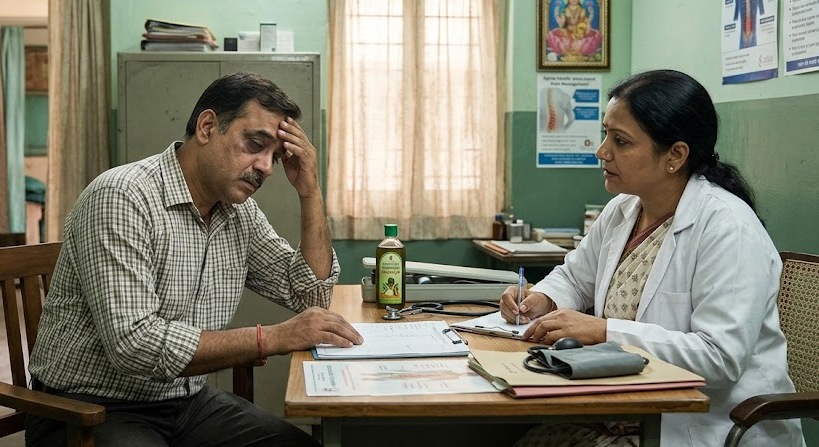
Acute stress is the most commonly reported trigger. “Let-down” migraines attacks on Saturdays or the first day of a holiday occur when cortisol drops suddenly after sustained pressure. Anxiety and depression are strongly comorbid with chronic migraine.
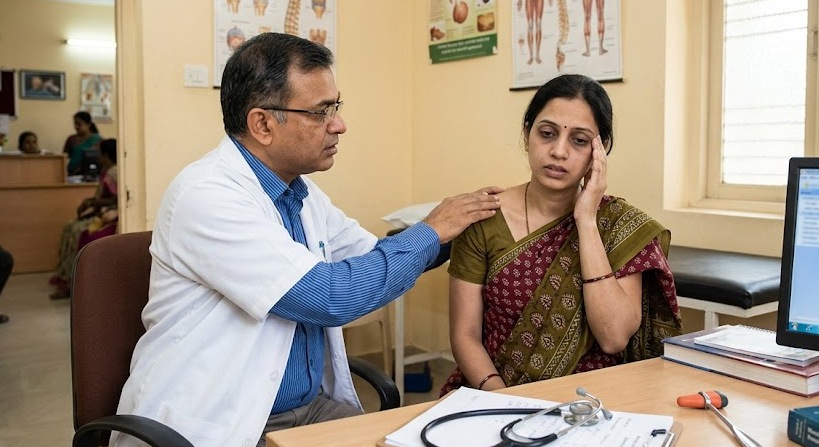
Both insufficient and excessive sleep trigger migraines. Obstructive sleep apnoea causing nightly oxygen desaturation is a frequently underdiagnosed migraine driver, particularly in patients presenting with morning headaches and daytime fatigue.

MSG (prevalent in Indian restaurant food and processed snacks), caffeine withdrawal, skipping meals, religious fasting (Navratri, Ramadan, Ekadashi) causing hypoglycaemia, alcohol (especially red wine) and artificial sweeteners are all established dietary triggers.
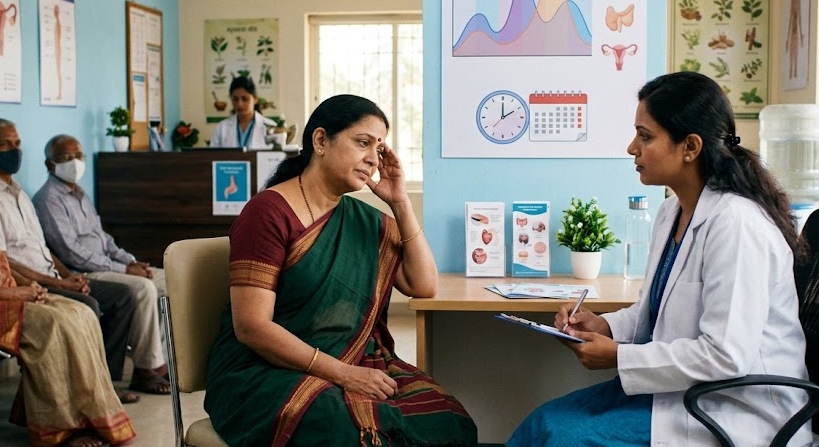
Iron-deficiency anaemia, extremely prevalent in Indian women, reduces the blood’s oxygen-carrying capacity and lowers the migraine threshold. It is highly treatable but consistently overlooked. Every woman with chronic migraine should have ferritin and haemoglobin checked.
Oestrogen withdrawal before menstruation is one of the most potent biological triggers. Menstrual migraine attacks are typically the most severe and treatment-resistant. Combined oral contraceptive pills can worsen migraine with aura and increase stroke risk.
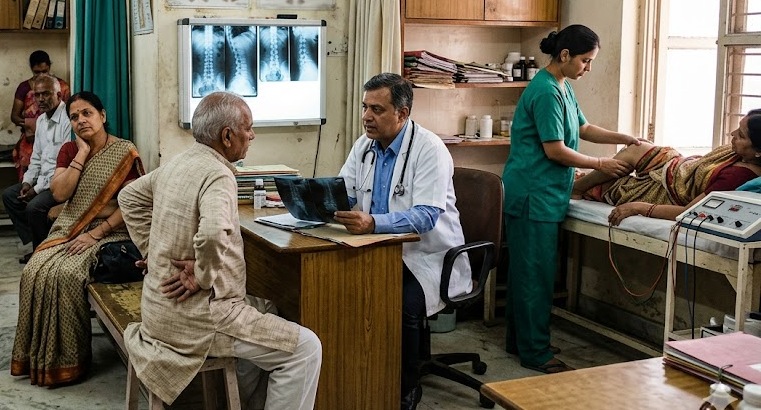
Taking analgesics or triptans on ≥10–15 days per month causes medication-overuse headache a trap where painkillers worsen the problem. Hypothyroidism, uncontrolled hypertension and obstructive sleep apnoea all lower the headache threshold and should be actively screened.
Several conditions closely mimic migraine, making accurate specialist diagnosis essential. Misdiagnosis leads to years of ineffective treatment targeting the wrong spoke of the headache wheel.
Diagnosing a headache is detective work. Every clue time of onset, character of pain, what makes it better or worse, what you ate, how you slept is a piece of evidence. Scans and blood tests confirm the diagnosis; the clinical history solves it.
A physical examination by an IBAP specialist is always the first step. Following assessment, imaging tests may be required to pinpoint the cause. Our full diagnostic pathway:
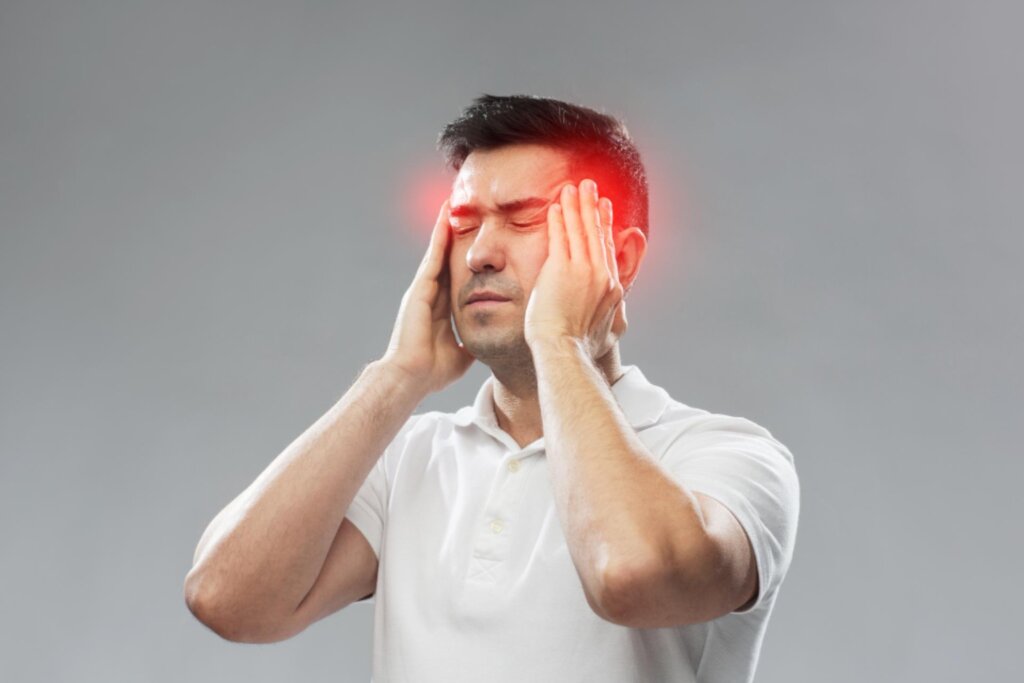
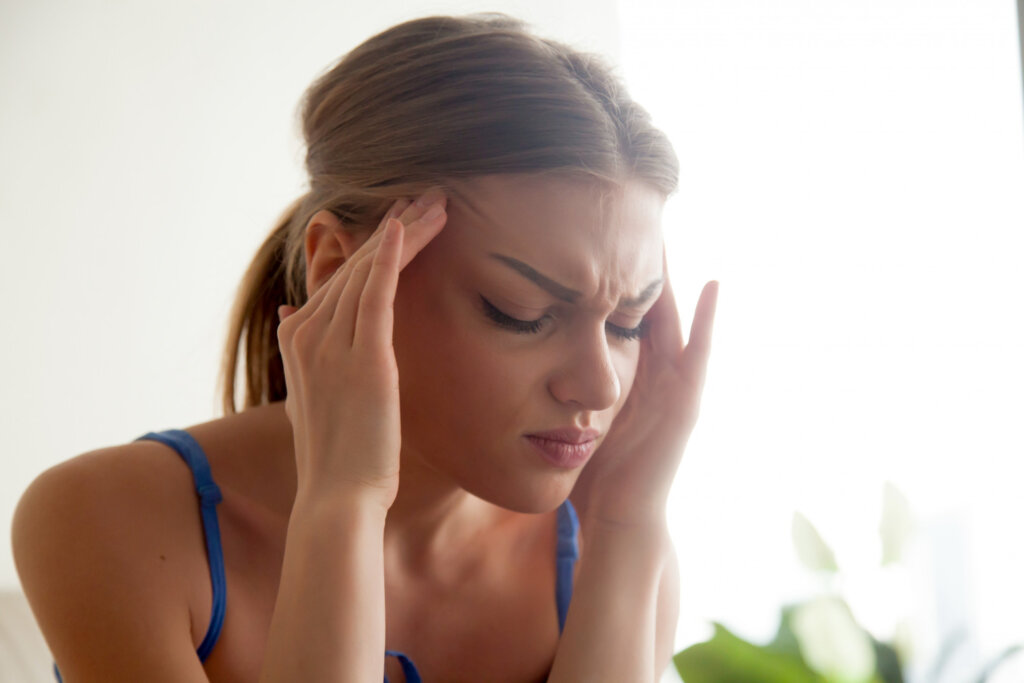
Effective migraine management is like building a house. Medications are the walls they provide immediate structure. Physiotherapy and lifestyle changes are the foundations without them, the walls will crack over time. Psychological therapies are the plumbing and wiring invisible but essential. Interventional treatments are the steel structural supports for the most complex cases.
Treatment options from Indo-British Advanced Pain Clinic that can help reduce migraine include:
When medications and conservative measures are insufficient, specialist interventional procedures provide targeted, long-lasting relief. Dr Vijay Bhaskar Bandikatla brings Fellowship training in Neuromodulation and Advanced Pain from London to deliver these procedures in Hyderabad.
The Greater Occipital Nerve (GON) Block — the most widely performed headache intervention — modulates the trigeminocervical complex via injection at the base of the skull, providing weeks to months of relief. Other blocks available: lesser occipital nerve, supraorbital/supratrochlear (frontal migraine), auriculotemporal (temporal/TMJ pain) and sphenopalatine ganglion (SPG) block for cluster headache and facial pain.
PRF applies short pulses of radiofrequency energy to targeted nerves under image guidance — modulating pain transmission at the cellular level without permanent nerve destruction. Think of it as resetting the volume dial on a pain signal rather than cutting the wire. Targets include cervical DRG (C2/C3) for occipital neuralgia and the sphenopalatine ganglion for cluster headache. Typically provides 6–18 months of sustained relief and can be safely repeated.
The only licensed intervention specifically approved for chronic migraine (≥15 headache days per month). The PREEMPT protocol: 31–39 injections across 7 head and neck muscle groups, repeated every 12 weeks. Beyond muscle relaxation, Botox blocks peripheral sensitisation by inhibiting CGRP and substance P release from nociceptive nerve terminals. The PREEMPT trials demonstrated approximately 50% reduction in headache frequency. Safe, well-tolerated, no systemic side effects.
ONS involves a small pulse generator similar to a cardiac pacemaker continuously stimulating the occipital nerves to modulate the trigeminocervical complex. Think of it as noise-cancelling headphones fitted directly onto the pain pathway. Responders experience 30–50% reduction in headache days. For the most refractory cases: high-cervical spinal cord stimulation (SCS), transcranial magnetic stimulation (TMS) and transcutaneous vagus nerve stimulation (tVNS) are also available.

Start with a virtual or in-person consultation to discuss your symptoms, headache pattern and medical history.

We review previous investigations, medication records and reports for a complete clinical picture.

Dr Vijay conducts thorough assessment — MIDAS/HIT-6 questionnaires, pain diary review and trigger identification.

MRI brain, CT scans and blood tests including ferritin, thyroid function and inflammatory markers.

We identify the root cause and all contributing factors — cervical, hormonal, anaemia, psychological and medication-overuse.

A personalised stepwise plan: medications, physiotherapy, nerve blocks, Botox, PRF and neuromodulation where indicated.

Our Pain Specialists support complete recovery — incorporating physiotherapy, CBT, mindfulness and lifestyle optimisation.

We provide ongoing follow-up tailored to each treatment plan, ensuring long-term headache control — not just short-term relief.
Start your journey with a virtual consultation to discuss symptoms from home.
We review your medical history and relevant reports for a clear understanding.
Our doctors conduct a thorough assessment through detailed discussions.
We confirm findings with state-of-the-art imaging like X-rays, CT scans, and MRIs.
Our team identifies the root cause and key trigger points for treatment.
We create a customized treatment plan, including necessary medications and procedures.
Our Pain Specialists support a complete recovery focused on total wellness.
We provide ongoing follow-ups tailored to each treatment plan, ensuring continuous care and long-term recovery support.
We relieve your pain, helping you be yourself again!
Headache is the broad category; migraine is the most significant subtype within it. A migraine is a complex neurological disorder producing unilateral, throbbing pain lasting 4–72 hours with nausea, photophobia and phonophobia — and may include aura (zigzag lights, tingling, speech difficulty). A tension headache is bilateral, pressing like a tight band and not worsened by physical activity. Migraine is disabling; tension headache rarely is.
Migraine begins with cortical spreading depression — a slow wave of neuronal firing that sweeps across the brain’s cortex, causing aura. This activates the trigeminal nerve, releasing CGRP and substance P, which cause neurogenic inflammation around the brain’s surface blood vessels — producing the throbbing headache. The posterior hypothalamus acts as the migraine generator, explaining premonitory symptoms hours before the headache. Central sensitisation then makes ordinary stimuli (touch, light, sound) acutely painful.
Yes — OnabotulinumtoxinA (Botox) under the PREEMPT protocol is the only licensed intervention specifically for chronic migraine (≥15 headache days per month). Clinical trials showed approximately 50% reduction in headache frequency. It works by blocking peripheral sensitisation through inhibition of CGRP and substance P release from nerve endings. Repeated every 12 weeks. Safe, well-tolerated and produces no systemic side effects.
Yes — and it is one of the most frequently missed triggers, particularly in Indian women. Iron-deficiency anaemia reduces the blood’s oxygen-carrying capacity, lowering the brain’s migraine threshold. It is a highly treatable cause: correcting anaemia through iron supplementation and dietary changes can significantly reduce headache frequency. Every woman with chronic migraine should have ferritin and haemoglobin checked as part of the routine work-up.
Yes. Uncorrected long-sightedness (hypermetropia) and astigmatism cause frontal headaches that worsen through the day and are worst after reading or screen use — due to sustained ciliary muscle strain. An up-to-date spectacle or contact lens prescription can completely resolve years of unexplained headaches. All patients with headaches should have their visual acuity assessed by an optometrist.
At IBAP Clinics, Hyderabad, specialist interventional options for medication-resistant migraine include: greater occipital nerve blocks, Botox PREEMPT protocol, pulsed radiofrequency (cervical DRG, sphenopalatine ganglion), occipital nerve stimulation (ONS), and high-cervical spinal cord stimulation for the most refractory cases. Non-invasive neuromodulation (TMS, tVNS) is also available. A specialist assessment with Dr Vijay Bhaskar Bandikatla determines the most appropriate option.

EXCELLENTTrustindex verifies that the original source of the review is Google. Good pain relief with treatmentPosted on GoogleTrustindex verifies that the original source of the review is Google. Best for pain reliefPosted on GoogleTrustindex verifies that the original source of the review is Google. बहुत अच्छा लगा हमें ये ट्रिटमेंट करा के अच्छे डॉक्टर और अच्छे स्टाफ हैं और काम पैसे में अच्छा अच्छा ट्रिटमेंट होता हैPosted on GoogleTrustindex verifies that the original source of the review is Google. Very nice, good and helpful staf, overall good experiencePosted on GoogleTrustindex verifies that the original source of the review is Google. Very good doctors and good tritment Thank you doctorPosted on GoogleTrustindex verifies that the original source of the review is Google. One of the best clinic for the relief of back painPosted on GoogleTrustindex verifies that the original source of the review is Google. Very good treatment indo british clinic for every pain reliefPosted on GoogleTrustindex verifies that the original source of the review is Google. I have visited indo british pain clinic this is superb clinic for pain relief that's why I have given 5 start rating to this clinic ...Posted on GoogleTrustindex verifies that the original source of the review is Google. My name is Raja Sekhar Reddy Tummuri from kakinada city My father was suffering nervous pain from last 3 years … I have decided to join with this op … Now everything fine after treatment done from DR. vijay sir … Wonderful service received from INDO British advanced pain clinic Hospitals in Hyderabad @ Banjara Hills road no 12.. Each and every staff response , concern , support & everything it’s too good Thank you so much … Special thanks to Mr. DR. Vijay bhaskar Bandi Katla …👏🏻👏🏻👏🏻👏🏻🙏🙏Verified by TrustindexTrustindex verified badge is the Universal Symbol of Trust. Only the greatest companies can get the verified badge who has a review score above 4.5, based on customer reviews over the past 12 months. Read more
Medical Disclaimer: This article is written for educational purposes only and does not constitute individual medical advice. Content is based on ICHD-3 classification, peer-reviewed literature and current clinical guidelines. Please consult a qualified pain specialist for personal assessment and treatment. In the event of a sudden severe headache, seek emergency medical care immediately. © 2025 Vijay Advanced Pain Clinics Pvt. Ltd. | IBAP Clinics | www.ibapclinics.com

MBBS, DA, FRCA (UK), FFPMRCA (Pain Medicine, RCOA, UK)
CCT (Anesthesiology And Pain Management)
Neuromodulation & Advanced Pain Research Fellowship (London), MBA (HM)
Banjara Hills
2nd Floor, 284/A, Road No. 12, above IDFC First Bank, near Omega hospitals, MLA Colony, Banjara Hills, Hyderabad, Telangana 500034.

Indo-British Advanced Pain Clinic © 2026. All Rights Reserved. Designed & Developed By Adroit
WhatsApp us