Helpline :
9807 55 6789
-
Call Us Now: 9807 55 6789Call Us Now: 9807 55 6789
A complete, honest guide to chronic post-surgical pain and nerve pain after surgery — what causes it, who is at risk, and how we treat it at IBAP Clinics.
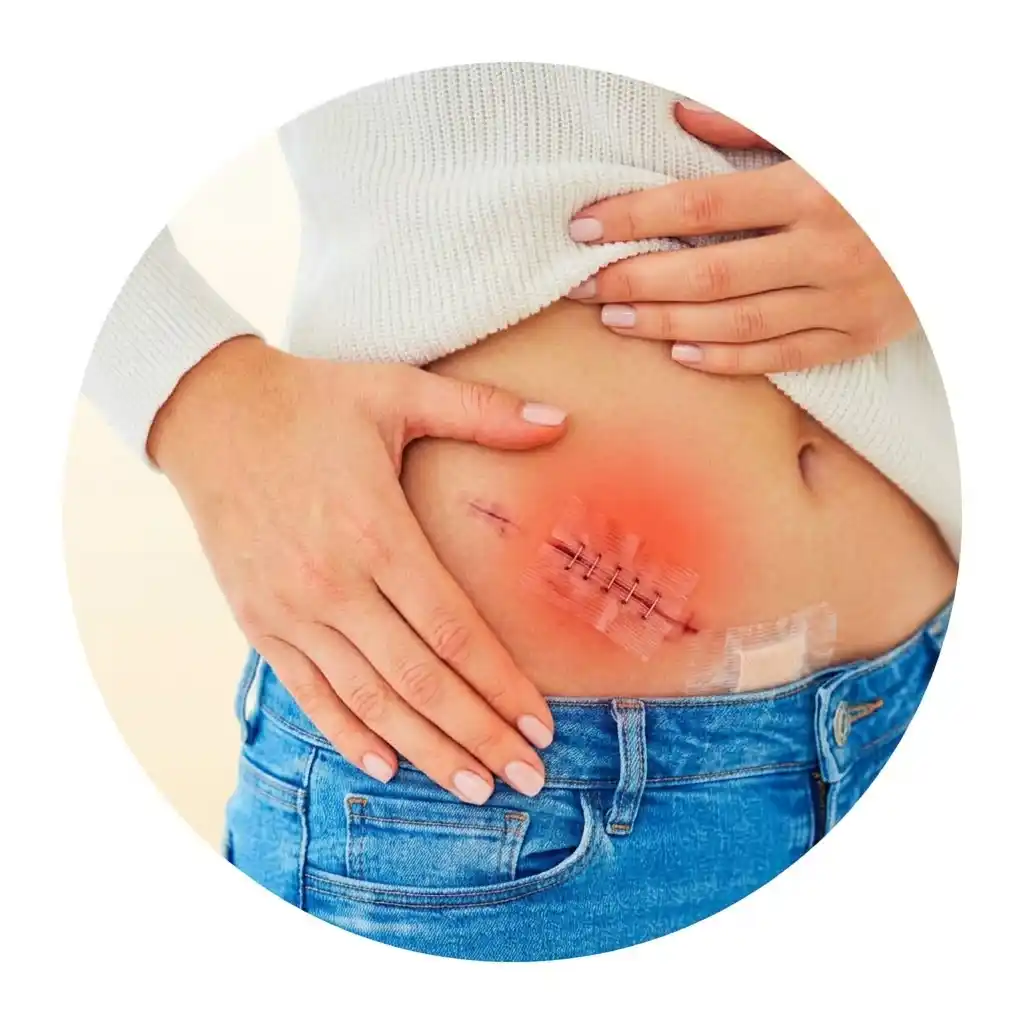
Non-surgical and effective care for lasting relief.
FIX AN APPOINTMENT
Surgery is supposed to fix things. A herniated disc is removed, a tumour is taken out, a broken joint is replaced — and life, people assume, returns to normal. But for a significant number of patients, something goes differently. The operation wound heals. The stitches come out. The follow-up appointment says everything looks good on the scan. And yet the pain continues — burning, shooting, aching, relentless.
I see these patients in my clinic regularly, and without exception, the first thing they say is some version of: “My surgeon says everything went fine. My family thinks I am overreacting. Am I going mad?”
No. You are not going mad. You have a condition called chronic post-surgical pain (CPSP), and it is more common than most people — including many doctors — appreciate. When the pain has a nerve-damage component, we call it chronic post-surgical neuropathic pain. Both are real, diagnosable, and importantly, treatable. The dismissal of this pain is not just unkind; it is medically incorrect and, as I will explain, actively harmful.
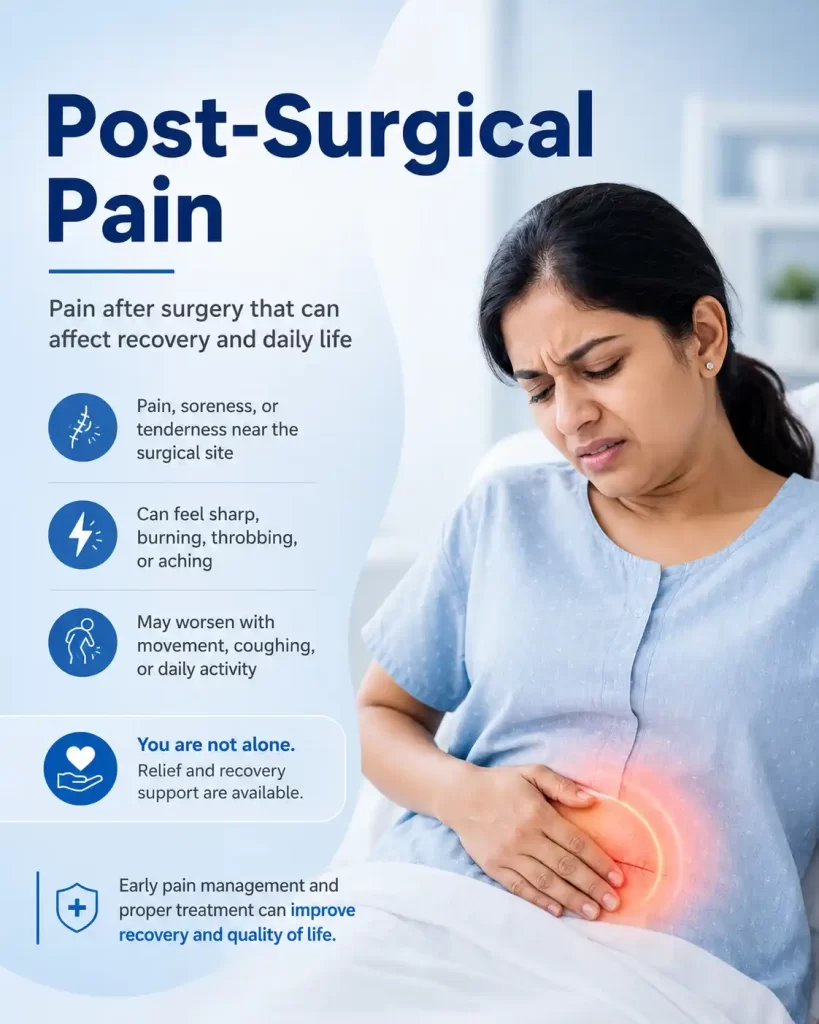
Chronic post-surgical pain is defined as pain that starts after a surgical procedure and persists beyond three months, where other causes (recurrence of disease, infection, ongoing tissue damage) have been excluded. It affects an estimated 10–50% of patients after major surgery, depending on the procedure — making it one of the most underappreciated causes of chronic pain worldwide.
In India, this problem is amplified by a culture that often tells people — particularly women, and the elderly — to simply bear pain. “Surgery toh ho gayi” (the surgery is done) is a phrase that effectively closes the conversation. I want to reopen it.
Thoracotomy patients who develop chronic chest pain
Post-mastectomy pain syndrome incidence
Knee replacement patients with persistent pain at 1 year
Hernia repair patients developing chronic groin pain
Threshold after which post-op pain becomes “chronic”
When to seek specialist review if pain remains significant
The question patients always ask is: why me? Surgery was successful — so why is the pain still here? The answer lies in understanding what surgery actually does to the nervous system.
Every surgical incision, every retractor placed, every suture tied passes through layers of tissue that contain nerves. In many operations — particularly thoracotomy, mastectomy, hernia repair — it is technically impossible to avoid disturbing nerve fibres. These nerves can be cut, stretched, trapped in scar tissue, or compressed. When that happens, the nerve does not simply stop functioning. It often becomes overactive, firing pain signals continuously even after the initial damage heals. Think of it like a smoke alarm that short-circuits — it keeps ringing long after the fire is out.
Here is where things become fascinating — and important. When acute post-operative pain is poorly managed, the spinal cord and brain undergo changes that make them more sensitive to pain signals. The volume gets turned up, and it stays up. Normal sensations become painful. Light touch on the chest after thoracotomy can feel like a burning iron. A bedsheet brushing against a post-mastectomy scar can cause shooting electric shocks. This is central sensitisation, and it is one of the most important mechanisms to understand because it explains why early, aggressive pain control after surgery is not luxury — it is prevention.
Imagine a busy road in Hyderabad — say the stretch near Banjara Hills during peak traffic. Every pothole and speed breaker jolts your car. If the shocks are already worn down from years of abuse, even a small bump feels catastrophic. Central sensitisation is exactly this: the nervous system’s shock absorbers are worn out. Every signal — even gentle ones — gets transmitted as an emergency. The goal of good perioperative pain management is to maintain those shock absorbers before they fail.
I would add one more factor that the research literature sometimes underweights: being dismissed. A patient whose pain is minimised, questioned, or attributed to anxiety will stop communicating about it. They will stop following up. And unmanaged pain will embed itself more deeply. Empathy is not a soft extra in pain medicine — it is mechanistically protective.
Not every operation carries equal risk. The procedures most commonly associated with chronic post-surgical pain tend to involve either significant nerve disruption or areas where nerve anatomy is complex and variable.
| Surgery | CPSP Incidence (Approx.) |
Common Pain Pattern | Nerve(s) at Risk |
|---|---|---|---|
| Thoracotomy (lung surgery) | 30–50% | Chest wall ache + burning | Intercostal nerves |
| Mastectomy / breast surgery | 25–40% | Arm, chest, axilla pain; allodynia | Intercostobrachial nerve |
| Inguinal hernia repair | 10–12% | Groin burning, testicular pain | Ilioinguinal, genitofemoral |
| Knee replacement | 10–20% | Anterior knee pain, stiffness | Infrapatellar branch |
| Hip replacement | 5–10% | Lateral thigh burning | Lateral femoral cutaneous |
| Amputation | 50–80% | Stump pain + phantom limb pain | Peripheral nerve stumps |
| Spinal surgery | 5–36% | Persistent back/leg pain | Nerve roots, epidural scar |
| Caesarean section | 6–18% | Lower abdominal + scar pain | Iliohypogastric nerve |
Patients ask me sometimes: “Doctor, if I’d known the risk, would I have chosen surgery differently?” For most of these procedures, the surgery was necessary and the right decision. The point is not to frighten people away from needed operations — it is to ensure the right pain prevention strategy is in place beforehand, and that if chronic pain develops, it is recognised and treated promptly rather than dismissed.
I want to speak directly about something that is specific to our patients here in Hyderabad and across India — the context in which post-surgical pain is experienced, and why it is so often suffered in silence.
Consider the software engineer in Gachibowli who undergoes a lumbar disc surgery and returns to their 10-hour desk day within weeks, because deadlines do not pause for recovery. Or the homemaker in Kukatpally who had a caesarean section and is expected to be managing the household — cooking, managing children, running school runs — within a month. There is simply no social permission to still be in pain.
Post-surgical pain, particularly the neuropathic variety, is genuinely worsened by stress, poor sleep, and relentless activity without adequate rest. These are not lifestyle complaints — they are neurologically meaningful. Elevated cortisol from chronic stress amplifies pain pathways. Poor sleep prevents the central nervous system from downregulating sensitisation. Overactivity without rest means the nervous system never gets a signal that the emergency is over.
I see patients who drive through Hyderabad’s traffic — 45 minutes over roads that would test the suspension of a new car, let alone a spine healing after surgery — and wonder why their pain is worse. Potholes and speed breakers are not trivial irritants after spinal surgery or thoracotomy. They are repeated mechanical provocations to an already sensitised nervous system.
And then there is the generational factor. Middle-aged and older patients often find their social relief in temples — the walk, the queuing, the sitting on cold marble floors — and in cinema halls (long sitting, aircon that may be too cold for sensitised tissues). I am not suggesting these are wrong; community and spiritual life are genuinely protective for mental health, which in turn matters for pain. But I do advise patients specifically on positioning, sitting supports, and timing of these activities around their pain cycles.
The dismissal of pain — by family, by surgeons, sometimes by general practitioners — is not a cultural defect unique to India, but it is perhaps more pronounced here. “Thodi taqleef toh hogi” (there will be some discomfort) is technically true after surgery. But chronic burning nerve pain three months post-operatively is not normal, expected discomfort. It is a medical condition, and it deserves medical attention.
In my clinical experience, the patients who do worst with chronic post-surgical pain are not those with the most severe nerve injury — they are those whose pain was dismissed earliest. The ones who were told to “be strong,” to “not complain,” and who carried that shame into their recovery. Validation of pain is not mollycoddling; it is a clinical intervention. Research from Warwick and Oxford clearly links physician empathy with measurable improvements in pain outcomes. I believe this deeply, and it shapes how every consultation at IBAP Clinics is conducted.
One of the most important things I try to convey to patients is that chronic post-surgical pain is not a single, uniform experience. Identifying the type of pain guides treatment enormously.
This arises from ongoing tissue processes — inflammation around a joint replacement, mechanical irritation of a surgical scar, or arthritis that persists alongside surgical changes. It tends to be described as aching, throbbing, or deep — often worse with movement and better with rest. Anti-inflammatories, physiotherapy, and steroid injections can be particularly effective here.
This is the signature of nerve injury or dysfunction. Patients describe burning, electric shocks, shooting pains, or hypersensitivity to touch (allodynia) — where even light contact causes severe pain. This type requires a different pharmacological approach: anticonvulsants (gabapentin, pregabalin), tricyclic antidepressants, SNRIs, topical agents, and nerve-targeted interventions.
Most of my CPSP patients have both components — some degree of ongoing tissue inflammation and nerve dysfunction running in parallel. Missing either element means incomplete treatment. A thorough pain assessment distinguishes these, and the treatment plan addresses both.
Prevention is where the most powerful interventions happen — before, during, and immediately after surgery. If you or a family member is planning an elective procedure with known high CPSP risk, this conversation with your anaesthetist and pain specialist before the operation can genuinely change the outcome.
Preemptive analgesia means administering pain-relieving medicine or a nerve block before the surgical incision. The goal is to prevent the nervous system from becoming sensitised in the first place. This is far easier than reversing sensitisation once it is established — rather like applying a waterproofing coat before the rain arrives, not after the ceiling has already caved in.
Preventive analgesia extends this concept across the entire perioperative period — using a combination of regional blocks, non-opioid analgesics (paracetamol, NSAIDs, gabapentinoids), local anaesthetic infusions, and aggressive early rehabilitation to minimise the “sensitisation window.”
Evidence strongly supports the use of epidural analgesia for thoracotomy, paravertebral blocks for breast surgery, and ilioinguinal nerve blocks for hernia repair as preventive strategies that reduce chronic pain development. These are not luxuries; they should be part of the operative plan for high-risk procedures.
Think of nociceptive pain as a plumbing problem — a leak somewhere causing localised damage that needs to be sealed. Neuropathic pain is a wiring fault — the electrical signal itself is misfiring, and no amount of sealing the pipe will stop the alarm from going off. Mixed pain means you have both. Most plumbers and electricians are different people; similarly, treating mixed CPSP requires appreciating both dimensions simultaneously.
The range of treatments for CPSP is genuinely broad — and this is good news, because it means we have multiple pathways even when one approach falls short. The art of pain medicine is choosing the right combination for the individual in front of me.
Even with good baseline treatment, pain can flare — after a long drive (particularly relevant in Hyderabad!), during a stressful week, or with a weather change. “Breakthrough analgesia” refers to fast-acting additional medicines taken at these times. This may be rapid-onset oral analgesics, specific topical applications, or non-pharmacological methods such as breathing techniques, guided imagery, or TENS (transcutaneous electrical nerve stimulation).
Injecting local anaesthetic near a specific nerve or nerve bundle interrupts the pain signal pathway at its source. Nerve blocks serve two purposes: diagnostic (confirming that a specific nerve is responsible for the pain) and therapeutic (providing relief lasting days to months, especially when combined with steroid). Examples include intercostal nerve blocks for chest wall pain post-thoracotomy, and ilioinguinal blocks for groin pain after hernia repair.
Medicine delivered into the epidural space — the area surrounding the spinal cord — can reduce pain from nerve roots and the spinal cord itself. A single injection may provide weeks to months of relief; a continuous epidural infusion via catheter can maintain this over days to weeks. Patient-Controlled Epidural Analgesia (PCEA) adds a patient-activated component, giving individuals control over their pain management while operating within safe pharmacological limits.
Primarily used in the acute post-operative period, PCA systems allow patients to self-administer small, pre-programmed intravenous doses of pain relief when needed. The “lockout” mechanism prevents overdose. Evidence consistently shows PCA improves pain control and patient satisfaction compared to fixed-dose regimens — and crucially, better acute pain control reduces the risk of chronic pain developing.
For severe, refractory chronic pain that has not responded to other treatments, intrathecal drug delivery is one of the most powerful tools available. A small pump is implanted under the skin of the abdomen, connected by a catheter that delivers medicine directly into the cerebrospinal fluid surrounding the spinal cord. Because the drug reaches its target directly, effective doses are a tiny fraction of what oral medications require — which means dramatically fewer side effects. Long-acting intrathecal opioids (morphine), ziconotide (a non-opioid derived from cone snail venom), and clonidine are all used depending on the pain type and patient profile. The pump requires regular refilling in clinic, and careful follow-up — this is a specialist treatment, not one to be approached lightly.
RFA uses carefully controlled heat to disrupt pain-transmitting nerve fibres. For facet joint pain and certain peripheral neuropathic pain conditions, it can provide months to over a year of meaningful relief. It is a day procedure, performed under image guidance, with rapid recovery.
Spinal cord stimulation — my area of specialist fellowship training — uses precisely delivered electrical impulses to modulate pain signals at the spinal cord level. Thin leads placed in the epidural space, connected to a small implantable pulse generator, effectively “intercept” neuropathic pain signals before they reach conscious perception. Modern high-frequency and burst SCS systems work without the tingling sensation (paraesthesia) of older devices. SCS is particularly effective for failed back surgery syndrome, complex regional pain syndrome (CRPS), and neuropathic limb pain. A trial stimulation period allows patients to assess benefit before permanent implantation.
| Treatment | Best For | Duration of Effect | Invasiveness |
|---|---|---|---|
| Oral medications | Nociceptive + neuropathic baseline | Ongoing (daily) | None |
| Topical agents | Localised surface neuropathic pain | Hours per application | None |
| Nerve block (single) | Specific nerve-mediated pain | Days to months | Minimal |
| Epidural injection | Spinal / nerve root pain | Weeks to months | Minimal |
| Epidural infusion / PCEA | Severe acute / subacute pain | Duration of infusion | Low |
| PCA | Acute post-operative pain | Inpatient period | Low (IV line) |
| Radiofrequency ablation | Facet, peripheral nerve pain | 6–18 months | Moderate |
| Spinal cord stimulation | Neuropathic, FBSS, CRPS | Years (rechargeable) | Moderate (implant) |
| Intrathecal pump | Refractory severe pain | Long-term (ongoing) | Higher (implant) |
Pain medicine is not only needles and pumps. The most effective outcomes I have seen in CPSP patients come from combining procedural treatments with active rehabilitation and psychological support. These are not alternatives to each other — they are partners.
Physiotherapy with graded exercise, desensitisation techniques (for allodynia), and movement retraining helps the nervous system learn, gradually, that movement is safe. This is a slow process — it cannot be rushed — but it is genuinely effective.
Cognitive Behavioural Therapy (CBT) for pain does not mean the pain is imaginary. It means that how we think about pain — the fear, the catastrophising, the avoidance — amplifies suffering and disability. Changing those patterns changes the pain experience. This is supported by robust neuroscience.
Sleep management deserves specific mention. Poor sleep and chronic pain have a bidirectional, vicious relationship: pain disrupts sleep, and sleep deprivation lowers the pain threshold. Addressing sleep — through sleep hygiene, melatonin where appropriate, or in some cases low-dose amitriptyline — is a pain treatment, not a tangential lifestyle recommendation.
I tell my patients: an integrated approach — medicine, procedures where needed, physiotherapy, sleep, and psychological wellbeing — is not a compromise. It is the gold standard. No single intervention does everything.
IBAP adopts a specialized approach. The approach focuses on multimodal analgesia using a mix of techniques. They target pain at different neural pathways.
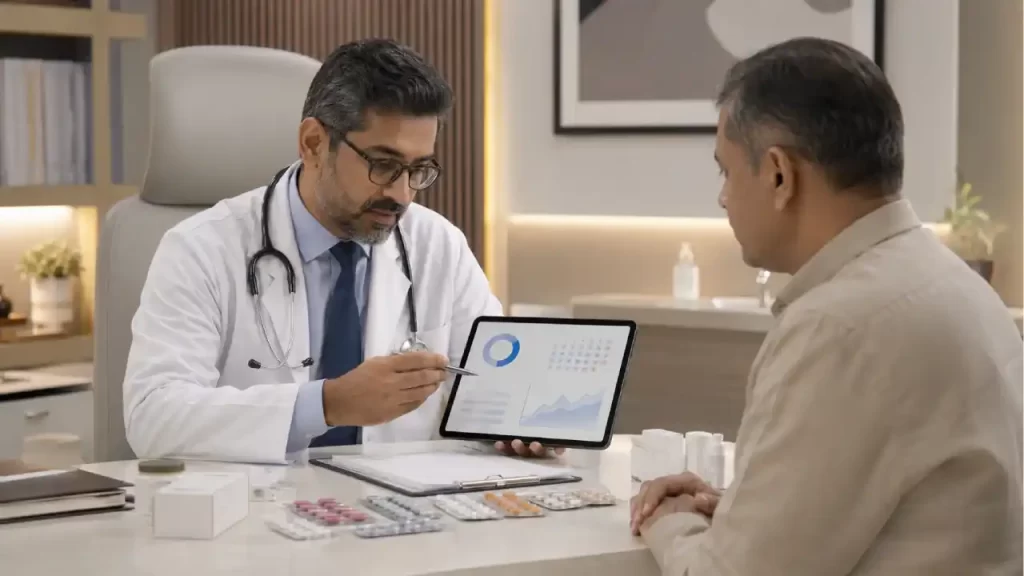
Balances non-opioid analgesics and nerve-specific medications. They help to minimize side effects.
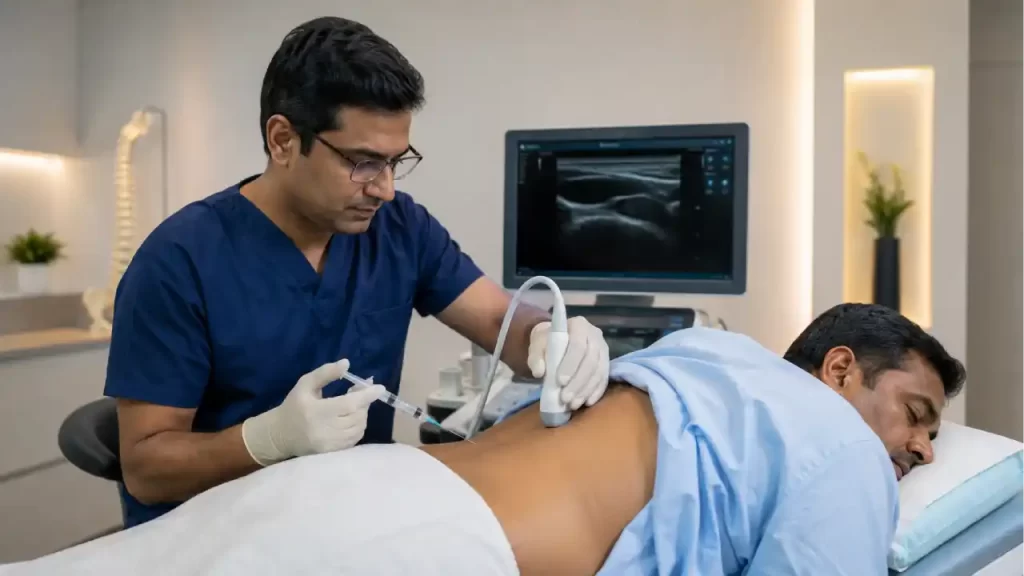
Uses ultrasound guided regional anesthesia for localized, long-lasting relief.
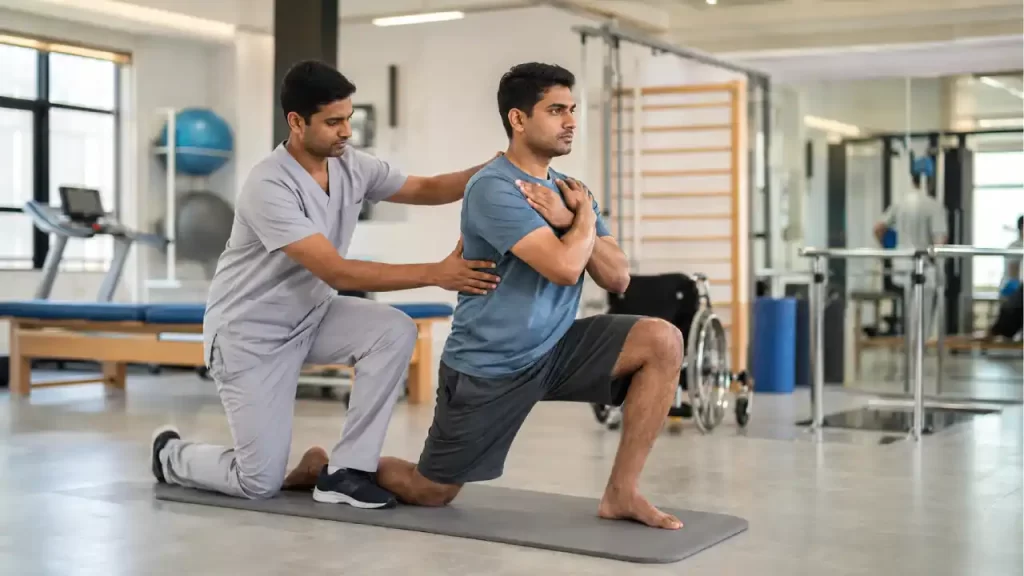
Involves integrated therapy sessions. These sessions are designed to restore movement without in any way aggravating the surgical sites.
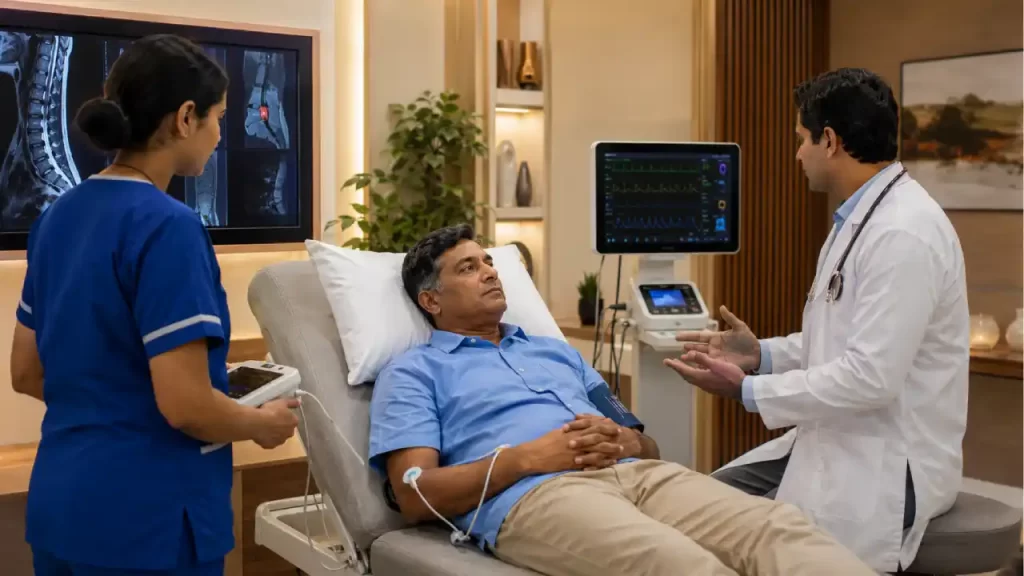
Involves dedicated professional oversight. They help adjust treatment plans as the healing process evolves.
We at IBAP ensure by prioritizing individualized care a smoother, safer, and more efficient transition to full recovery from the operating room.
Start your journey with a virtual consultation to discuss symptoms from home.
We review your medical history and relevant reports for a clear understanding.
Our doctors conduct a thorough assessment through detailed discussions.
We confirm findings with state-of-the-art imaging like X-rays, CT scans, and MRIs.
Our team identifies the root cause and key trigger points for treatment.
We create a customized treatment plan, including necessary medications and procedures.
Our Pain Specialists support a complete recovery focused on total wellness.
We provide ongoing follow-ups tailored to each treatment plan, ensuring continuous care and long-term recovery support.
We relieve your pain, helping you be yourself again!
Spondylosis is an age-related degeneration of the spine’s discs and joints. It happens when the protective cartilage between the vertebrae gradually wears down, leading to stiffness, pain, and reduced spinal flexibility.
Spondylosis pain is mainly caused by wear and tear in the spine. Over time, the discs, joints, and cartilage may degenerate, and bone spurs called osteophytes may develop, causing pain, stiffness, or nerve irritation.
Treatment options may include precision diagnostics, physical rehabilitation, strengthening exercises, spinal alignment therapy, interventional pain management injections, and minimally invasive solutions when required.
Yes. Many cases of spondylosis can be managed with conservative treatment. IBAP Clinics gives priority to non-invasive care such as physical rehabilitation, guided exercises, posture correction, and pain management before considering surgical options.

EXCELLENTTrustindex verifies that the original source of the review is Google. Good pain relief with treatmentPosted on GoogleTrustindex verifies that the original source of the review is Google. Best for pain reliefPosted on GoogleTrustindex verifies that the original source of the review is Google. बहुत अच्छा लगा हमें ये ट्रिटमेंट करा के अच्छे डॉक्टर और अच्छे स्टाफ हैं और काम पैसे में अच्छा अच्छा ट्रिटमेंट होता हैPosted on GoogleTrustindex verifies that the original source of the review is Google. Very nice, good and helpful staf, overall good experiencePosted on GoogleTrustindex verifies that the original source of the review is Google. Very good doctors and good tritment Thank you doctorPosted on GoogleTrustindex verifies that the original source of the review is Google. One of the best clinic for the relief of back painPosted on GoogleTrustindex verifies that the original source of the review is Google. Very good treatment indo british clinic for every pain reliefPosted on GoogleTrustindex verifies that the original source of the review is Google. I have visited indo british pain clinic this is superb clinic for pain relief that's why I have given 5 start rating to this clinic ...Posted on GoogleTrustindex verifies that the original source of the review is Google. My name is Raja Sekhar Reddy Tummuri from kakinada city My father was suffering nervous pain from last 3 years … I have decided to join with this op … Now everything fine after treatment done from DR. vijay sir … Wonderful service received from INDO British advanced pain clinic Hospitals in Hyderabad @ Banjara Hills road no 12.. Each and every staff response , concern , support & everything it’s too good Thank you so much … Special thanks to Mr. DR. Vijay bhaskar Bandi Katla …👏🏻👏🏻👏🏻👏🏻🙏🙏Verified by TrustindexTrustindex verified badge is the Universal Symbol of Trust. Only the greatest companies can get the verified badge who has a review score above 4.5, based on customer reviews over the past 12 months. Read more
Founder & Interventional Pain Specialist — IBAP Clinics, Hyderabad
MBBS · DA · FRCA (London) · FFPMRCA (Pain Medicine, UK) · MBA (Hospital Management)
CCT (Anaesthesia & Pain Medicine, UK) · Advanced Pain Training (Cambridge University Hospitals)
DDSMed Sports Medicine (Chicago) · Fellowship in Neuromodulation & Advanced Pain (London)
Dr Vijay brings over 15 years of postgraduate training across the United Kingdom’s most prestigious institutions — including the Royal College of Anaesthetists, Cambridge University Hospitals, and a dedicated neuromodulation fellowship in London — to his practice in Hyderabad. He is one of very few clinicians in India trained to the level of FFPMRCA — the Faculty of Pain Medicine of the Royal College of Anaesthetists — the highest qualification in pain medicine available in the UK.
His specialist expertise spans the full spectrum of knee pain management: from precision PRP and BMAC injections to cooled radiofrequency genicular nerve ablation, intrathecal drug delivery, and spinal cord stimulation for refractory pain states. He manages cases ranging from the weekend cricketer’s torn meniscus to the elderly cardiac patient with end-stage OA who has been told there are no further options.
Banjara Hills
2nd Floor, 284/A, Road No. 12, above IDFC First Bank, near Omega hospitals, MLA Colony, Banjara Hills, Hyderabad, Telangana 500034.

Indo-British Advanced Pain Clinic © 2026. All Rights Reserved. Designed & Developed By Adroit
WhatsApp us